yoga
62 articles
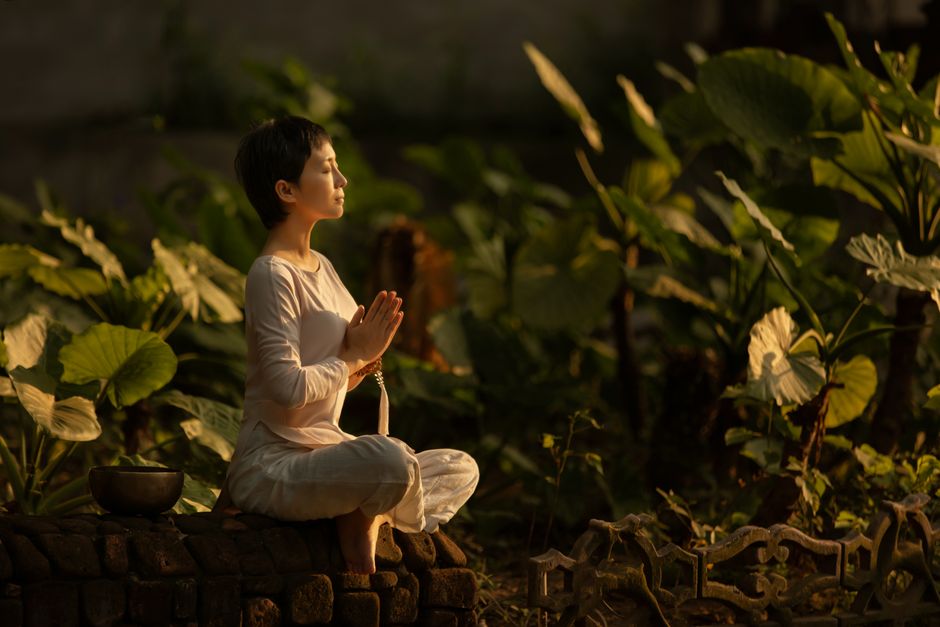
How Yoga Found Me (and why I think it might be looking for you too)
Ten years ago, yoga found its way into my life not through intention, but through desperation and what followed was a journey I never could have predicted. If you've ever tried yoga once and quietly given up, this one is for you.
More tagged “yoga”
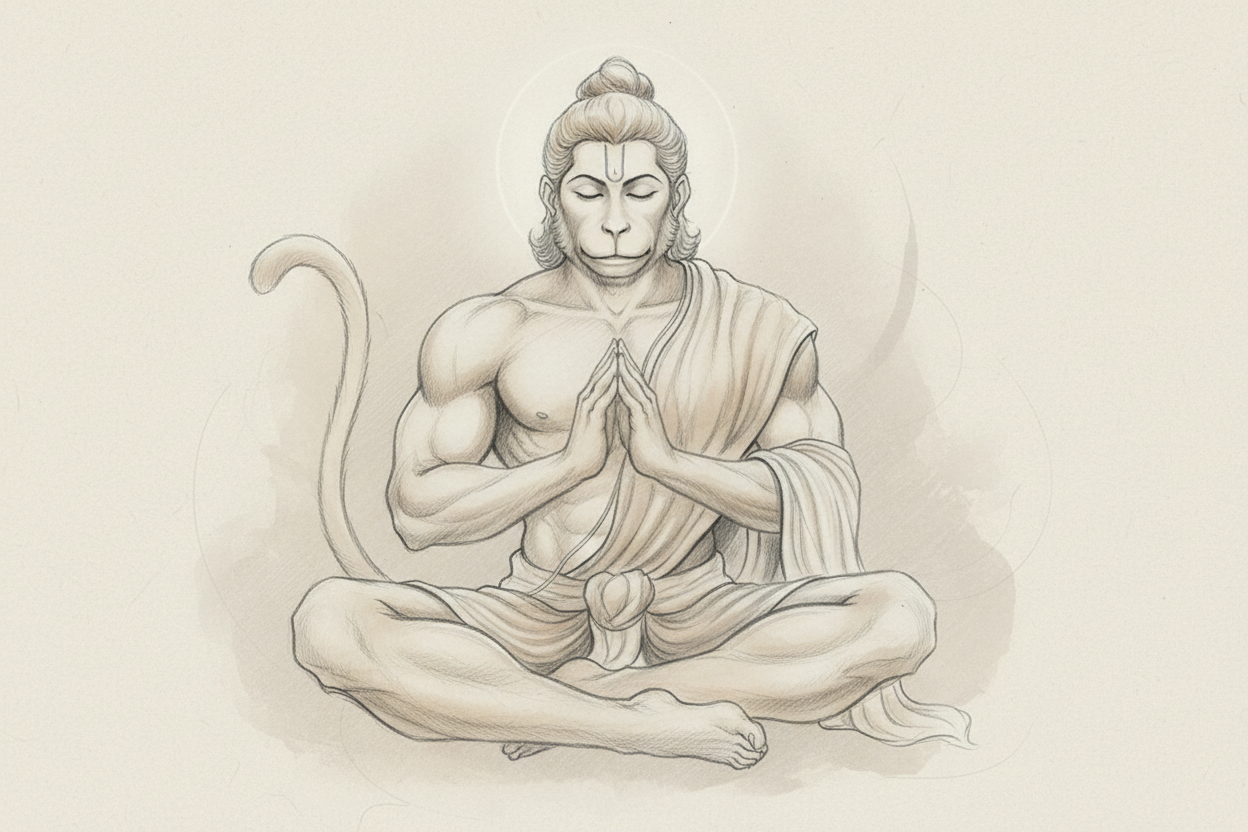
Hindu Deities in Yoga: The Ancient Stories Living Inside Every Pose and Practice
Every yoga class I loved as a student, truly loved, the kind where you roll up your mat a little changed, had one thing in common. A story. Not the anatomical kind ('now we're going to create external rotation in the hip socket'). The ancient kind. The kind where a teacher would begin with: there is a story about...And something in the room would settle. Everyone would shift slightly on their mats. A collective leaning in.

How I Finally Got My Dream Body (And Why It Had Nothing to Do With a Diet)
A Warning and an Invitation: if you are here for a quick fix, read on no more. I mean that kindly. There are plenty of places on the internet that will sell you one. This is not that place. But if you are exhausted by quick fixes. If you have tried them, lost count of how many, and arrived here with a particular kind of tired that goes deeper than fatigue, the tired that comes from fighting something for decades and not winning, then you are exactly where you need to be.
The Architecture of Awareness: Using Yoga as a Framework for Self-Study
Self-awareness is rarely accidental. It is built: slowly, deliberately and through practice. What drew me to yoga was movement. What kept me there was something far less visible: the framework it offered for understanding myself.
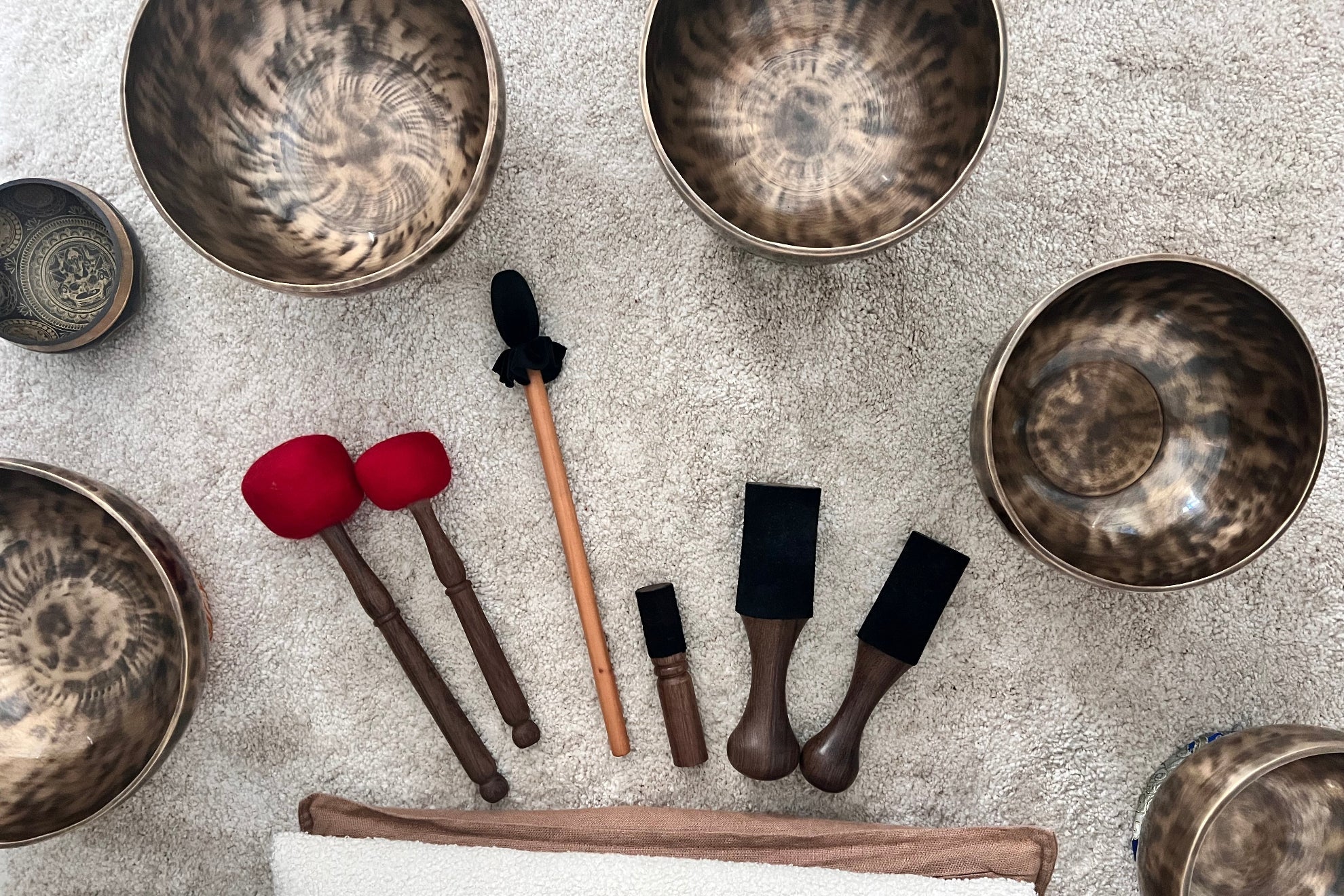
Sound Healing in Yoga: Why Learning to Receive the Tones Changes Everything
The first time I experienced a sound bath, I didn't quite know what to do with myself. I lay there, watching the ceiling, waiting for something to happen and then frustrated with myself for waiting, because weren't I supposed to just... let go?

Navigating Difficult Times With The Right Internal Support
Lately, I have been thinking about the ways we outsource our wellness. We seek advice. We ask for reassurance. We hand our experiences over to others to interpret. And sometimes that is necessary. Reflection and projection are powerful tools; being witnessed in our struggles can soften their edges. Community matters. Guidance matters.
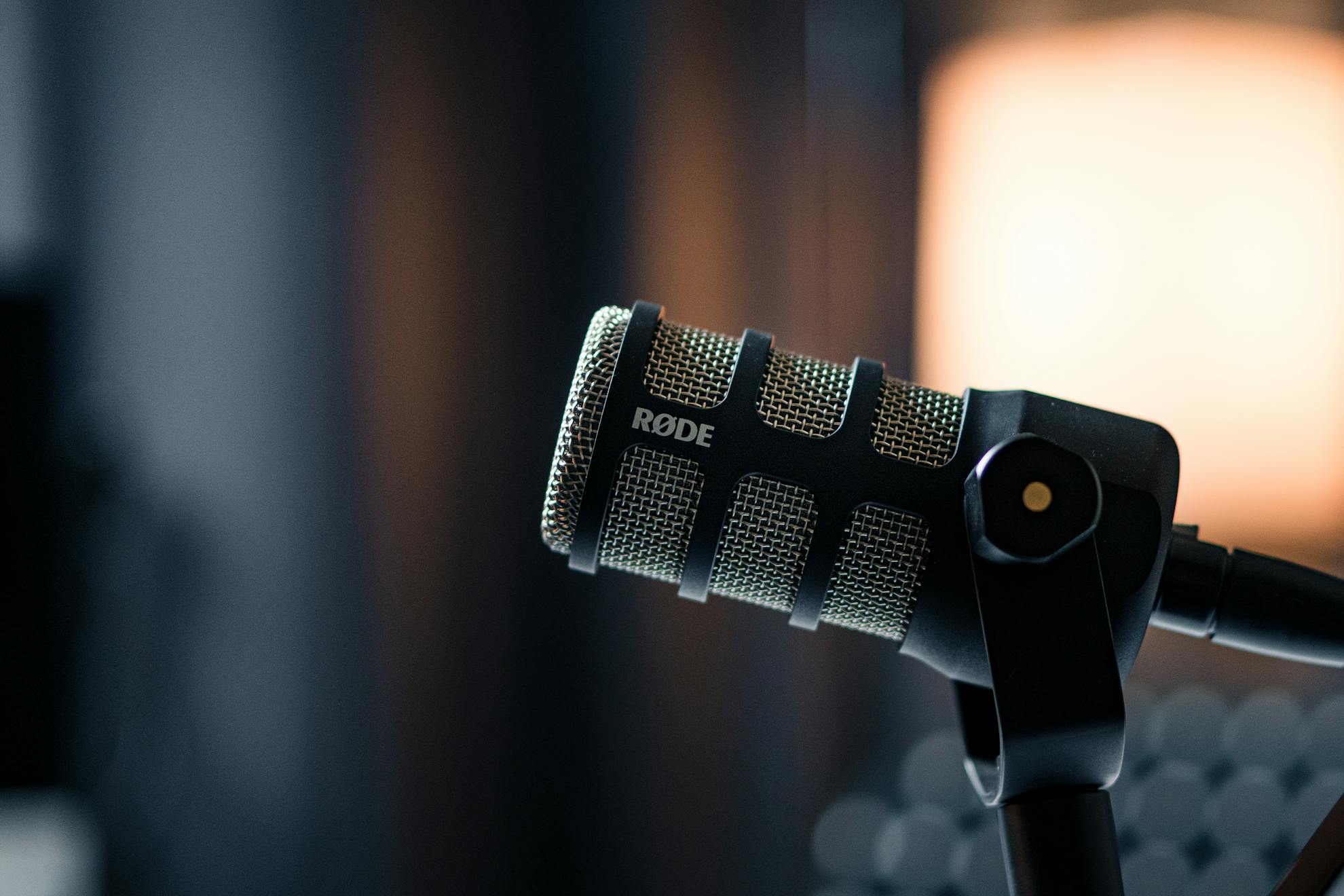
A Softer Way to Begin: Introducing the Words & Contemplations Podcast
Words & Contemplations starts her podcast journey, bringing you blogs in audio format as well as meditations, gentle practices and talks. Come along for the journey; we'd love to have you tune in.
10 Mindful Practices for the Unravelling Soul (On the Go)
When we left our work/life roles, I thought the hardest part would be the logistics. I quickly learned that the true challenge is the unravelling of the "doing" mind. Here are ten practices I’ve gathered from the road that you can do anywhere.
Sanctuaries of the Self: Finding Rhythm and Ritual on the Road
Travel has a way of unravelling us. It stretches our boundaries and expands our horizons, but in the movement, we often lose the steady pulse of our daily rituals. After eight months on the road, I’ve realised that protecting your practice isn’t about rigid adherence to a schedule; it’s about finding the spaces that help you return to yourself—the ones that feel less like a workout and more like medicine.
Softening the New Year: A Devoted Approach to Wellness
This isn’t a fitness routine. It isn’t a fad diet, calorie counting, or a 30-day reset. It’s something quieter, deeper, and far more sustainable. It’s a relationship. A relationship with your body, built on understanding rather than control.
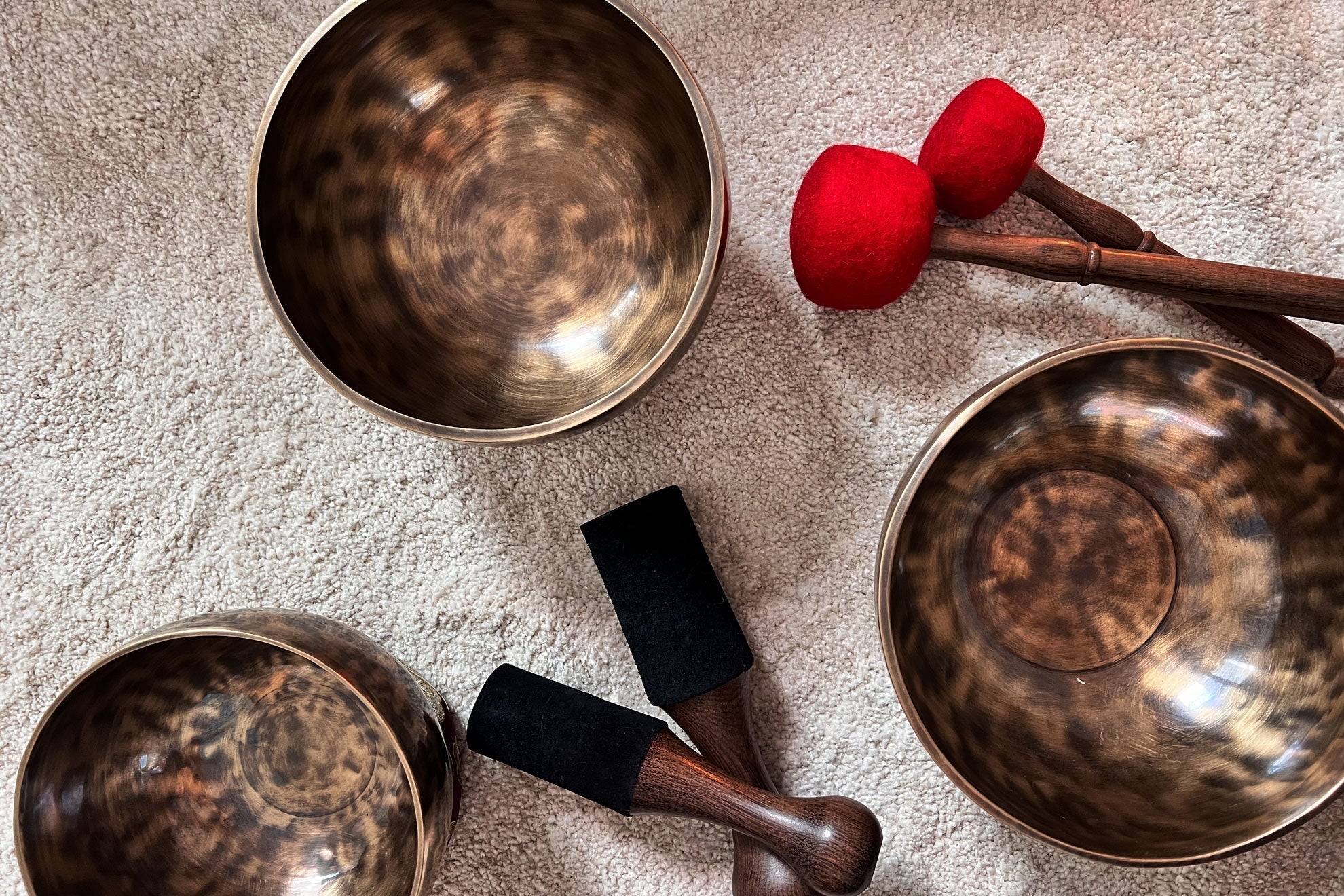
A Symphony of the Self: The Science and Soul of Sound Medicine
“Every illness is a musical problem—the healing, a musical solution.” In our modern world, we often perceive our bodies as solid, static structures. Yet, if we look closer—through the lens of both ancient wisdom and modern physics—we find that we are actually a symphony of oscillatory patterns. From the rhythmic beat of our hearts to the subtle hum of our cellular membranes, every cell, tissue, and organ in the human body possesses its own unique resonant frequency.
What You Consume Matters; Food, Ideas, Beliefs & The Story You Live
You are the creator of your experience. Everything you consume—food, ideas, thoughts, and beliefs —shapes not just your body, but also your brain, your mood, and your reality. We used to read stories that took us into imagined worlds. Today, we scroll through feeds hoping something will make us feel. However, passive consumption creates noise, doubt, and fragmentation. This blog invites you to become active and choose what you consume, so your mind, body, and spirit are lifted, not drained.
Listening Beneath the Mind: Yogic Practices to Heal the Samskāras That Shape Our Lives
We all carry stories that feel so familiar they might as well be our own voice — the subtle doubts, the quiet assumptions, the emotional reactions that rise before we even have a chance to choose differently. In the yogic tradition, these inherited imprints are known as samskāras: subliminal impressions carved into us through repetition, experience and unexamined memory.
Lived Wellness: Moving Beyond Consumption to Everyday Being
In a world where wellness is often sold as “buy this product,” “subscribe to this service,” “follow this influencer,” it can feel like well-being is something external that you purchase. But what if true wellness was the opposite? Lived, found, built from the inside out, free and accessible. What if it wasn’t about what you buy, but what you do, what you think, what you become?

The Yogic Path of Remembering: Seeing Beyond Samskaras and Old Narratives
There are moments in life when you realise that what you are reacting to is not the situation in front of you, but the echo of something much older.A familiar sting.A tightening in the chest.A story your body remembers even if your mind has forgotten its origin.
10 Daily Habits To Bring You Back Into Your Body
Every day, the world pulls us outward — notifications, demands, plans, deadlines.What if instead you pulled yourself inward, back into your body, your breath, your being? Here are ten simple, accessible habits that can help reconnect you with yourself, activate your nervous system’s rest-and-digest mode, and bring calm into your day.

Lived Wellness, Beyond the Thinking Mind
Food, thoughts, emotions: these are all attachments we can become addicted to, especially the ones that reinforce our worldview. We crave confirmation, whether through accolades, achievements, or approval for our choices. But that’s all they are, choices.
Yoga: Unlocking the Inner Technology of Consciousness
We often think of technology as something external — built, coded, controlled. Yet long before the hum of machines and the glow of screens, there existed another kind of technology: one that required no devices, only awareness. Ancient yogis discovered that within each of us lies an intricate network, a system of energy, emotion, and intelligence — capable of profound transformation when we learn how to access it.
Life Lessons in Your 30s: Wellness, Growth, and Finding Yourself Beyond the Surface
A reflection on wellness, wholeness, and the quiet lessons that keep arriving. Your thirties are a middle ground, old enough to know better, young enough to still test the edges. Somewhere between who you thought you’d be and who you’re becoming, life starts to whisper its truths. This is the decade when awareness deepens, priorities shift, and the surface begins to crack in the best possible way.

When Coming Home Feels Different: How Space, Change, and Perspective Shape What “Home” Means
Sometimes, stepping away from everything you know is the only way to truly see it.We all have places we’ve outgrown, or thought we had. The home that once felt heavy, the routine that seemed suffocating, the four walls that turned into a mirror for our restlessness. But what if it wasn’t the place holding you back? What if it was what you carried inside it?
Meditations as Portals: Shifting the Mind, Soothing the Body
We spend much of our lives replaying the past, thoughts become familiar, feelings become habitual, and the body begins to live in cycles of memory. What feels like “just the way things are” is often simply a loop of remembered emotions.

Beyond the Past: Rewriting the Stories We Live By
There comes a time when we begin to notice that the patterns repeating in our lives are not coincidences; they are mirrors. The way we love, react, protect ourselves, and withdraw often stems from stories we didn’t consciously choose. They are scripts written by earlier versions of ourselves, shaped by our experiences, emotions, and beliefs.
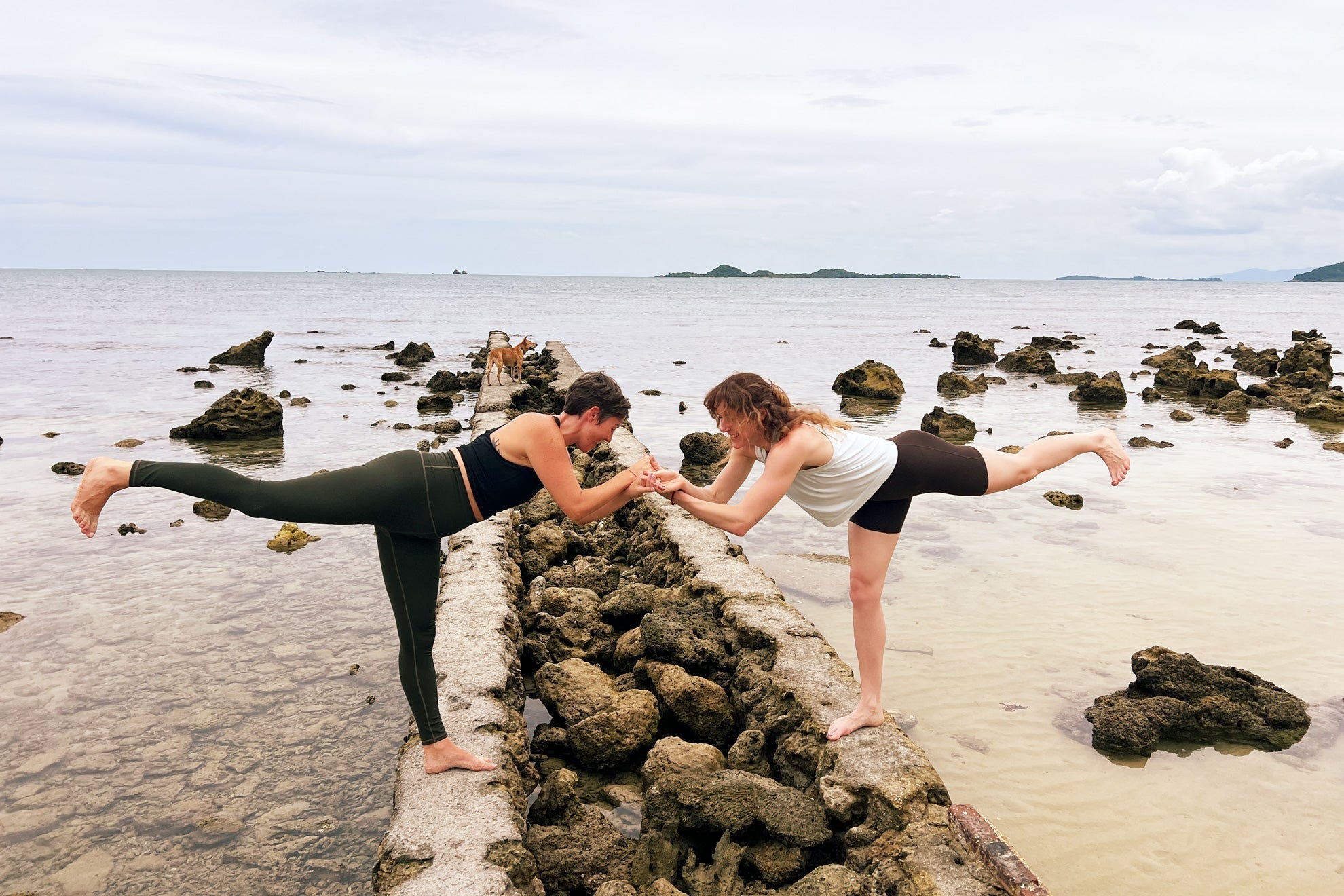
Chance Encounters That Change You: How Travel Brings the Right People Into Your Life
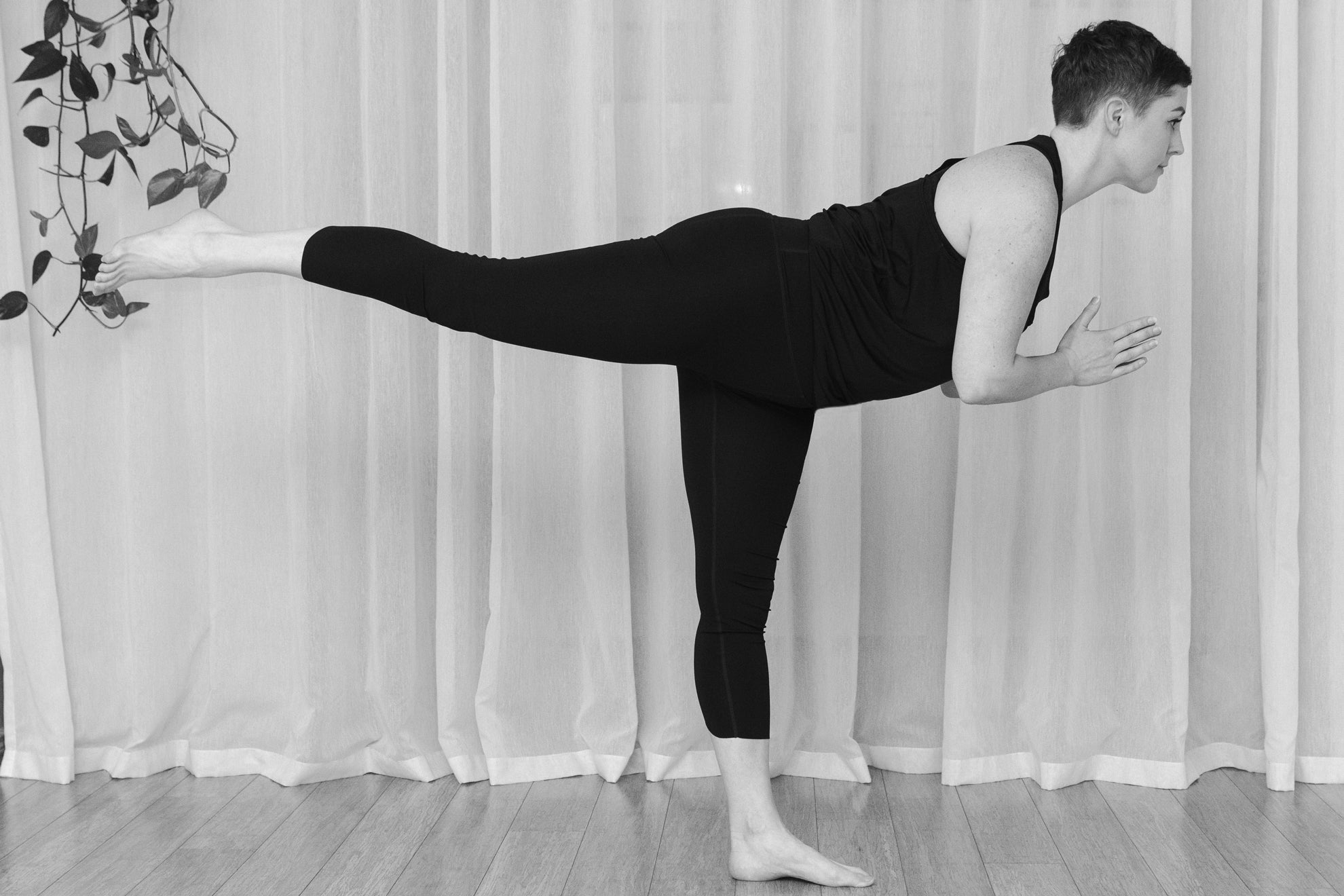
There are people in our lives who remind us to play; the ones who make you want to cartwheel on the beach, run along the sand, or balance, laughing, in a rock pool in warrior three. On my Koh Samui retreat, there was one such person: Bronte.
When People Show Up: Embracing Divine Timing and Connection
In the tapestry of our lives, certain individuals appear at pivotal moments, their presence seemingly orchestrated by forces beyond our comprehension. These encounters often feel serendipitous, yet within the framework of yogic philosophy, they are seen as manifestations of divine timing, guiding us toward growth and self-realisation.

The Light We See in Others: A Story of Gratitude and Human Connection
There are moments in life when we meet people who feel like mirrors. All the qualities we long to recognise in ourselves appear so effortlessly in them. And then, as you spend time together, you realise something extraordinary: what you see in them is what they see in you. The connection becomes something rare and beautiful — a space where you bring out the best in one another, even though just days before you were strangers.
Yoga as a Framework for Wholeness
Yoga has always been more than movement. Long before it became a practice of postures, it was described in the ancient texts as a complete framework for living with steadiness and clarity. The Yoga Sūtras of Patañjali remind us: “Yoga is the stilling of the fluctuations of the mind.” (Yoga Sūtras I.2)

Saying No Without Guilt: Gentle Practices for Self-Respect and Balance
In times past, people could retreat into caves or forests in search of clarity, stepping away from the noise until answers arrived in silence. Today, life feels far less simple. We are constantly pulled in different directions, with advice, expectations, and ideas about wellness and success coming at us from all sides. Each day presents countless small choices: what to eat, how to spend our time, who we spend it with, and even how we speak up for ourselves. Learning to say no with kindness and without guilt is not just about the big decisions; it’s about honouring these small choices, nurturing self-respect, and creating balance in everyday life.
The Multi-Dimensions of Wellness Part 2: A Gentle Guide to Living Well
Wellness is often spoken of as a set of practices or a checklist of what we should do, but in truth, it is far more subtle, far more intimate than that. It is the quiet tending to our inner landscapes, the noticing of our energy, our thoughts, our relationships, and the spaces we inhabit. In the first part of this exploration, we wandered through the many dimensions of wellness—physical, emotional, social, spiritual, and beyond. In this continuation, we move from awareness into gentle application. How do we invite these dimensions to speak to us in our everyday lives? How do we bring wellness into the rhythms of our days without it feeling like another task to complete?

On Retreat with Your Yoga Teacher: A Journey Back to Yourself
I have been practising yoga for about eight years and teaching for the past eighteen months. When I finally felt it was my time to guide others along the yogic journey, I also knew that my own practice was far from finished. My curiosity and hunger for growth led me to immerse myself in three Moksha Yoga Teacher Trainings. After completing my 200-hour training in Bali in January 2024, I continued with a 110-hour Meditation Teacher training, and then dove into Yin and Sound Medicine simultaneously.
Yoga as Life’s Lens: Reflections on Autobiography of a Yogi
Paramahansa Yogananda’s Autobiography of a Yogi is more than a spiritual memoir; it’s an invitation to see life through the lens of the soul. In his telling, the extraordinary becomes accessible, not as far-off miracles but as a way of living rooted in self-awareness, discipline, and love.
20 Reflections from The Surrender Experiment by Michael A. Singer
I read The Surrender Experiment just days after walking away from my corporate job, twelve months into the unknown. No guarantees, no structured plan. Just a quiet knowing that something had shifted.

The Honest Truth About Travel
Yes, I’ve been to some incredible places over the last few months. But what I’ve realised is that when you don’t have a “home” to go back to, or more importantly, no clear end date, even the most remarkable experiences begin to feel… normal. And normal, when stretched too long, loses its magic.
Wellness Beyond the Surface: Living the 8 Limbs of Yoga in Daily Life
In the modern wellness world, the surface often appears to be a glow: luminous skin, green smoothies, gym schedules, lymphatic drainage, and cold plunges. And while all of these can support well-being, they don’t touch the deeper layers of what it means to be well.
How You Can Build a Nervous System-Supportive Routine
A personal guide to tuning in, slowing down, and finding your way back to yourself. There’s no one-size-fits-all when it comes to nervous system support.It’s not about following a strict wellness checklist or chasing perfection — it’s about tuning into your own rhythms, your own seasons, and your own signals.
Returning to Ourselves: The Tiny Shifts That Make Us Human, The Unexpected Joy of a Stuck Song
Something remarkable happened to me the other day. It won’t sound impressive to you, but I found it profoundly telling about my current mental capacity compared to where I was a few months ago. I got a song stuck in my head. I know it sounds so basic, but I do not remember the last time something as pedestrian as this happened to me. My mind is used to running about 100 mph with so many pointless things: the self-narration, the criticisms, the to-do list, the judging, the what-ifs, the wondering what was meant by something someone said. It’s all just noise. None of it matters. Not really.
Packing Wellness: A Conscious Approach to the Way We Travel
There’s a certain beauty in packing not just clothes or chargers, but your rituals. A yoga mat, a journal, snacks that feel good, shoes that let you walk for miles — these are tools that shift travel from hectic to healing.
Rituals in Motion: How to Make Wellness a Habit, Anywhere
Wellness doesn’t begin and end in your home or at the studio or gym you belong to. It can be a mindset you can carry, a ritual you can roll out wherever you land. From morning breathwork on a balcony to journaling beside a window in a new city, the rituals that sustain you can become part of the way you travel, work, and live.
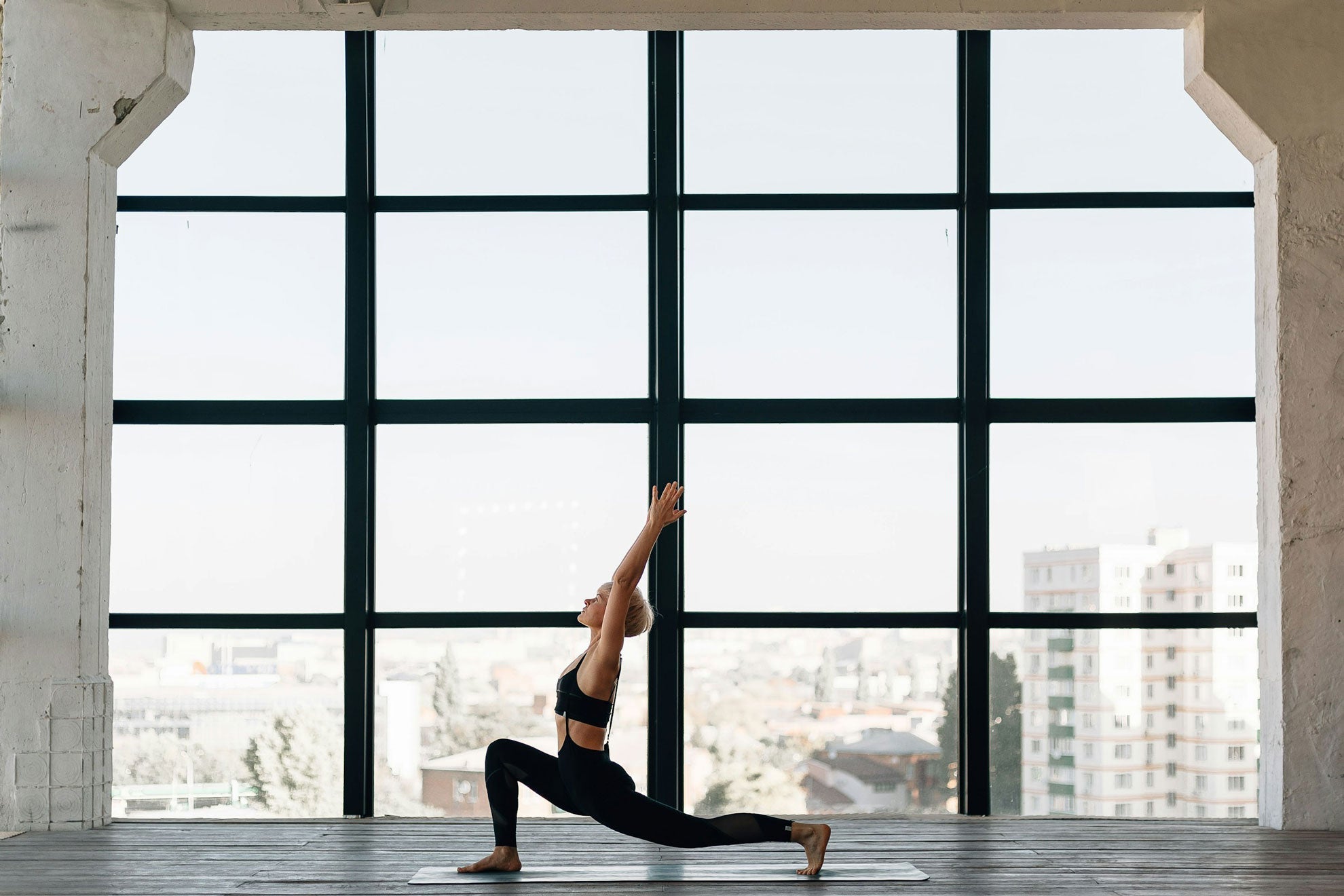
Yoga as Remembering
When I look at the modern world of yoga, I see familiar patterns: the yoga studio, the teacher, the aspirational "yoga body." Much of the messaging circles around self-improvement. But the deeper message, the one that stayed with me through all my trainings, is that yoga isn’t about becoming someone new. It’s about remembering who you've always been.
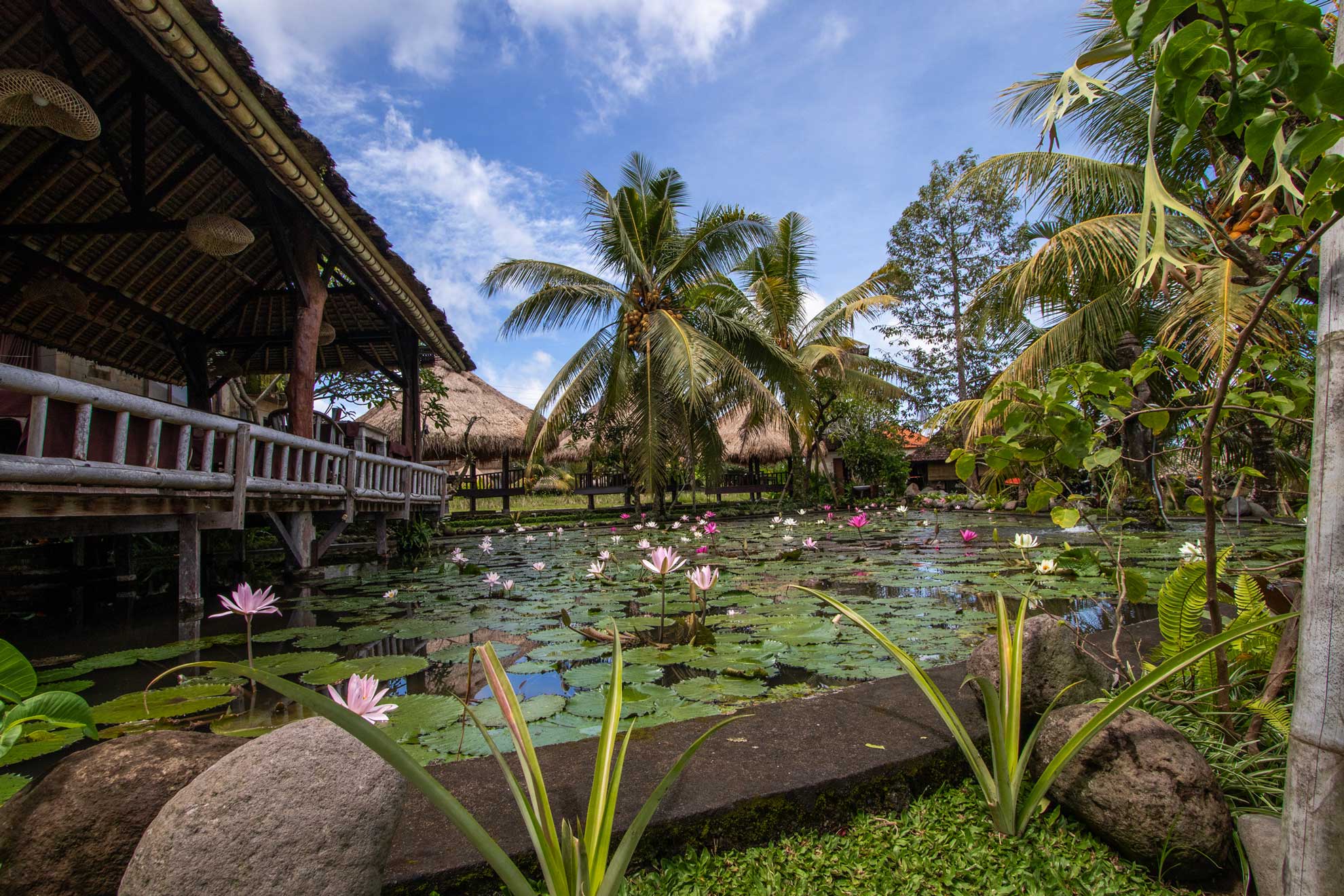
Undiscovered Bali: A Feeling Found Through Slow Travel
Why Slow Travel in Bali Changed Everything. After the privilege of visiting Bali five times, I’ve realised we no longer need to chase the tourist trail. We’ve already ticked off the temples, the beaches, the day trips. So this time, we chose to stay still. We let Bali show us something else entirely: a slower rhythm, a different kind of magic.
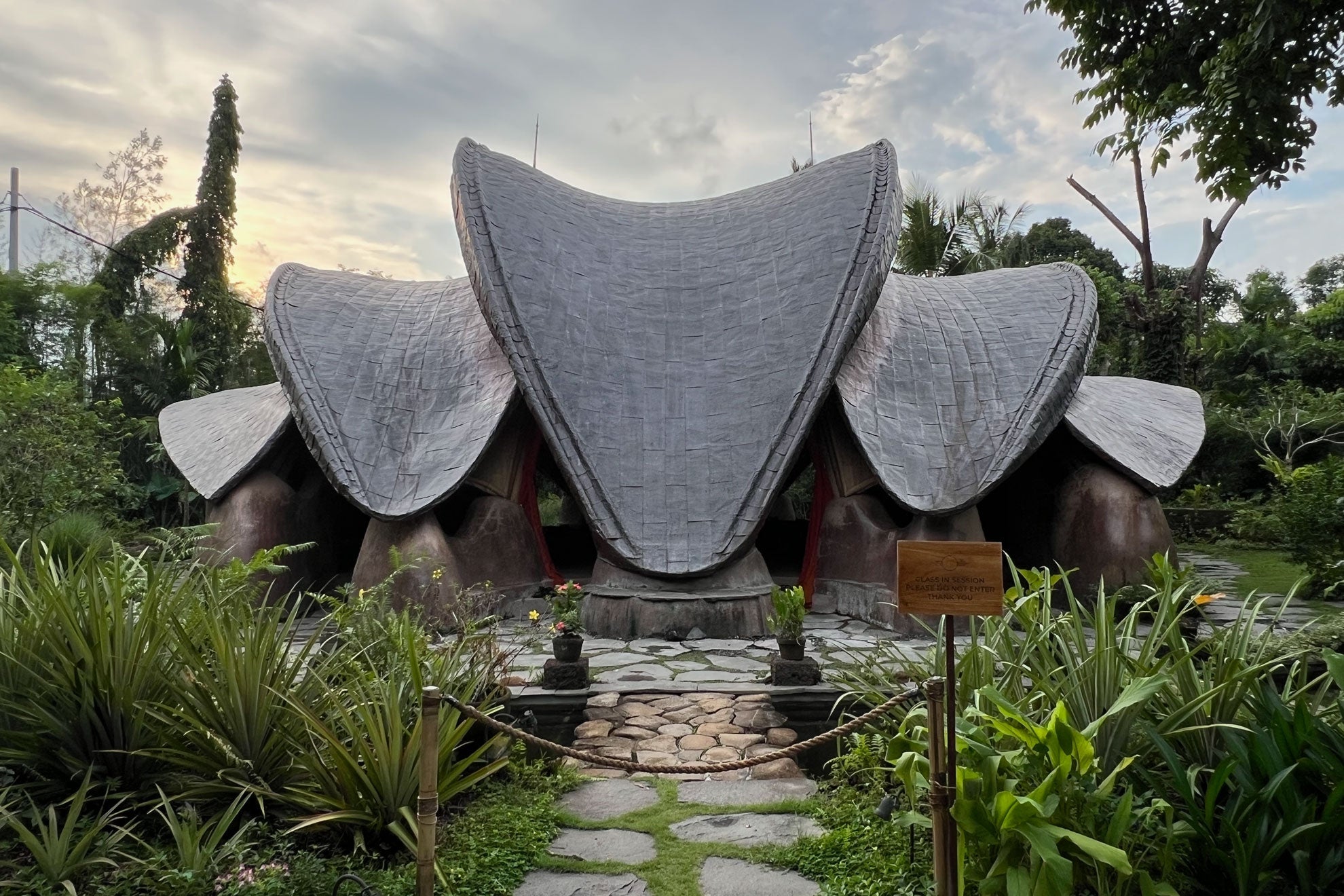
Finding Home on the Mat: My 6 Week Journey at Alchemy Yoga Ubud
A Return to Self, Through Movement and Community. It’s been six wonderful weeks of daily practice at Alchemy Yoga & Meditation Centre in Ubud. Six weeks of breath, sweat, stillness, and subtle transformation. We chose this space instinctively, drawn back by the magic of the Alchemy café, which we first fell in love with eight years ago. The yoga studio felt like a natural extension of that same energy: nourishing, grounded, and open-hearted.
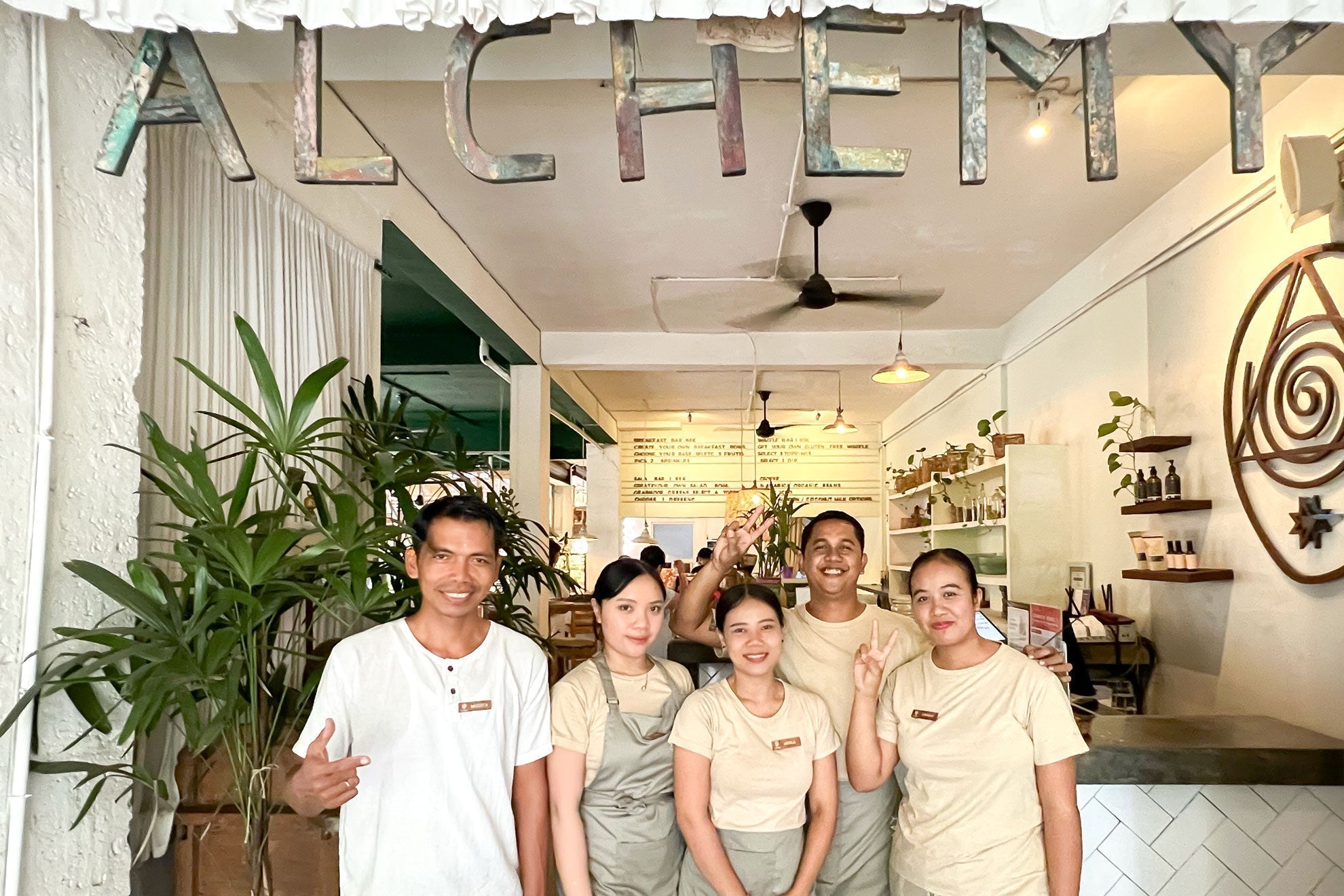
Where Food Feels Like Home: Why Alchemy Café Ubud Is a Must for Conscious Travellers
Today, as we stepped out of the beautiful, sun-warmed space that is Alchemy in Ubud for the final time, we were handed a goodbye gift. Completely unexpected. Entirely unnecessary.
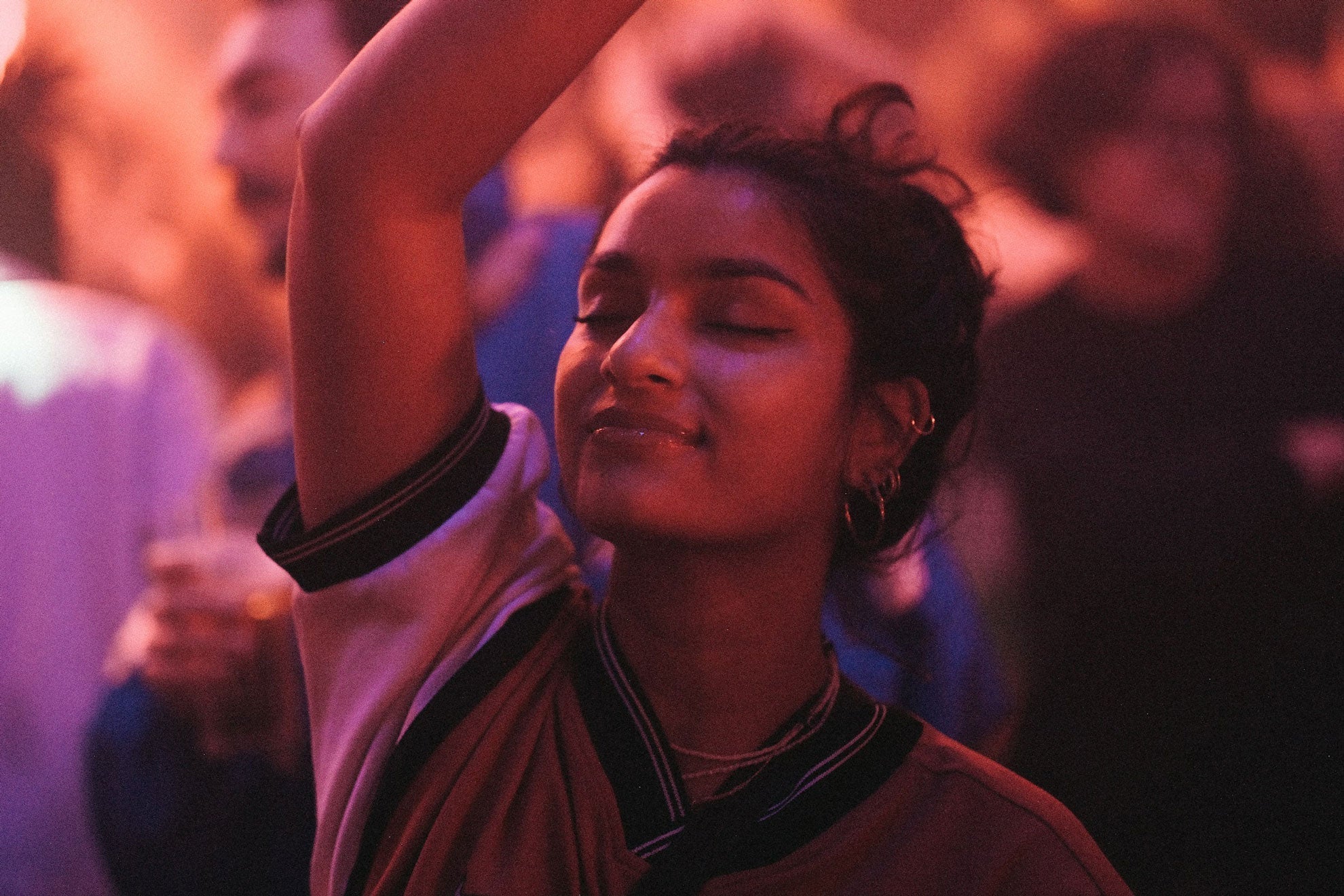
Ecstatic Dance: A Homecoming to the Body
While in Ubud, I’ve been trying to open myself to everything this place offers. There’s a current of possibility here, pulsing quietly beneath the surface. After experiencing the depths of sound healing—something I’ve done before and always found moving—I felt curious to take it one step further.
From Burnout to Balance: How Yoga and Meditation Help You Reconnect with Yourself
I’m sitting in a café in Ubud, Bali, thinking about where we’ll go next. But then it hits me—we’re not traveling in the conventional sense. My husband, my partner in adventure, is working much like before, just with a changing backdrop and longer breaks. And me? I’m building something of my own that weaves all my passions: writing, photography, yoga, and meditation.
Slow Travel in Ubud, Bali: A Journey into Presence
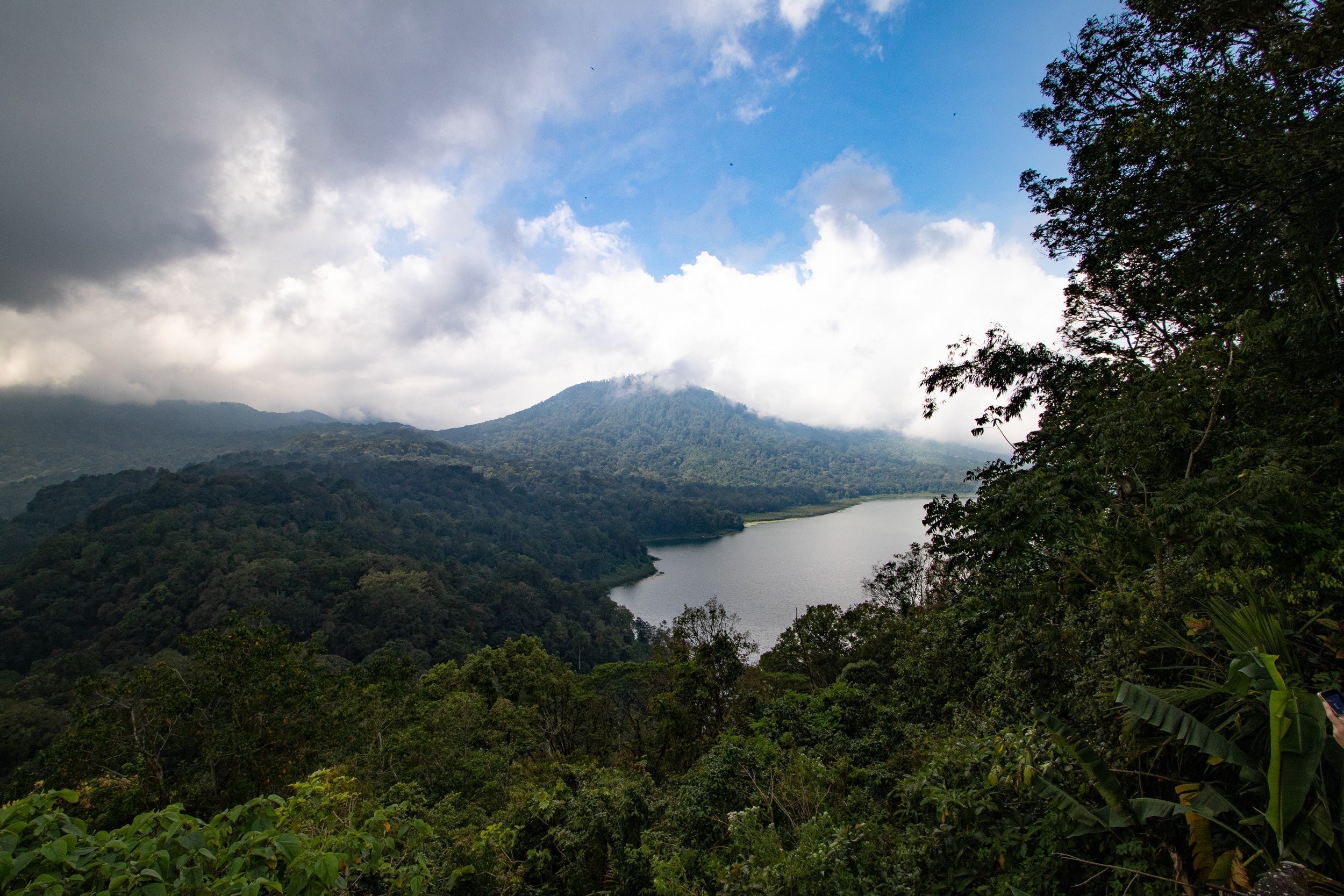
Ubud isn’t just a destination; it’s an experience—a place where time slows, where nature and culture intertwine, and where every moment invites you to be fully present. Known as Bali’s cultural and spiritual heart, Ubud offers an escape from the rush of modern life, drawing you into a rhythm that feels intentional, unhurried, and deeply connected.
Ubud Unraveled: A Journey of Yoga, Stillness, and Self-Discovery
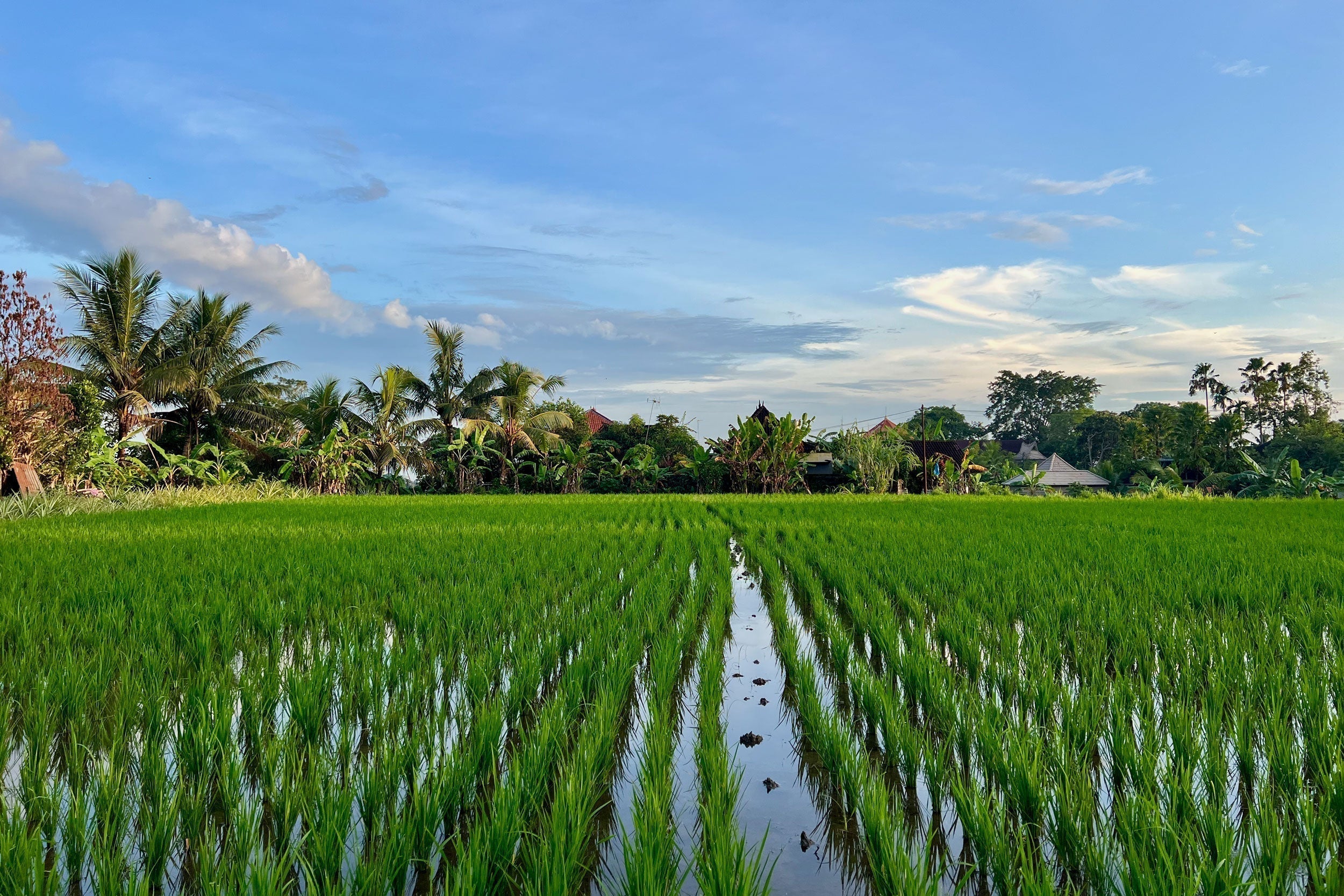
I have been in Ubud for three weeks now, and thanks to an extended visa, we get to stay for another 30 days. It might seem unusual to settle in one place during a gap year, but in many ways, it feels like we’ve moved here—at least temporarily—to rest and recalibrate. This gap year is not just a break from work but a departure from the world I used to inhabit. The transitions between countries won’t be rushed; moving every week would be unsustainable. Instead, we are easing into a rhythm, embracing a slower, more intentional way of being.
The 5 Best Vegan Spots in Ubud for Soulful, Nourishing Meals
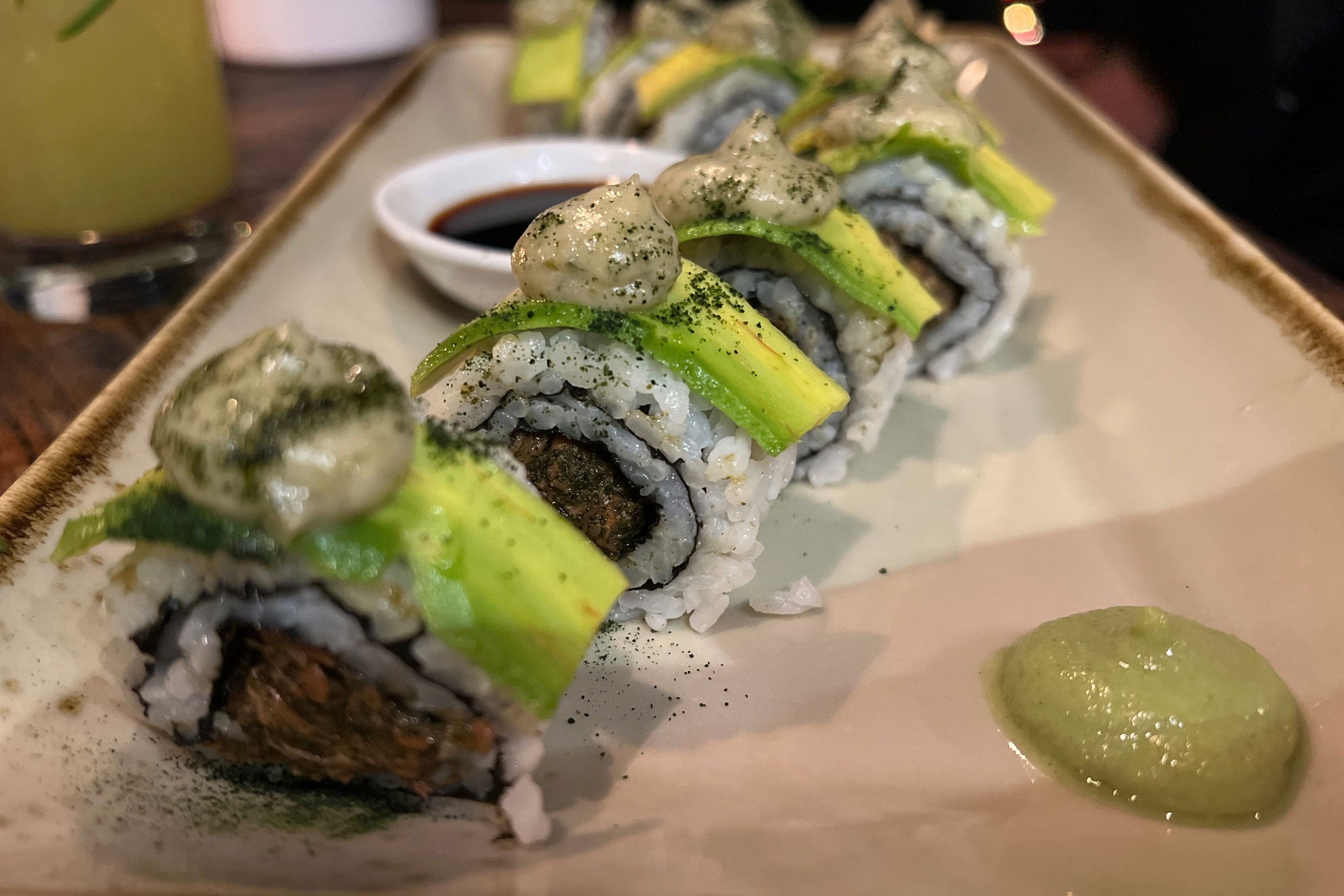
Ubud is more than just a destination; it’s an experience—a gentle yet profound unfolding of self through nature, movement, and food. A place where the scent of incense lingers in the air, where the rhythmic chants of a nearby temple echo at dawn, and where each meal can feel like a ritual of nourishment. Among Ubud’s lush landscapes and vibrant wellness scene, plant-based cuisine flourishes. Whether you seek raw vitality, indulgent comfort, or a sacred culinary experience, these five vegan eateries offer more than just food—they connect to something more profound.
Yoga Transformation: The Student, The Teacher And The Integration Of The Teachings
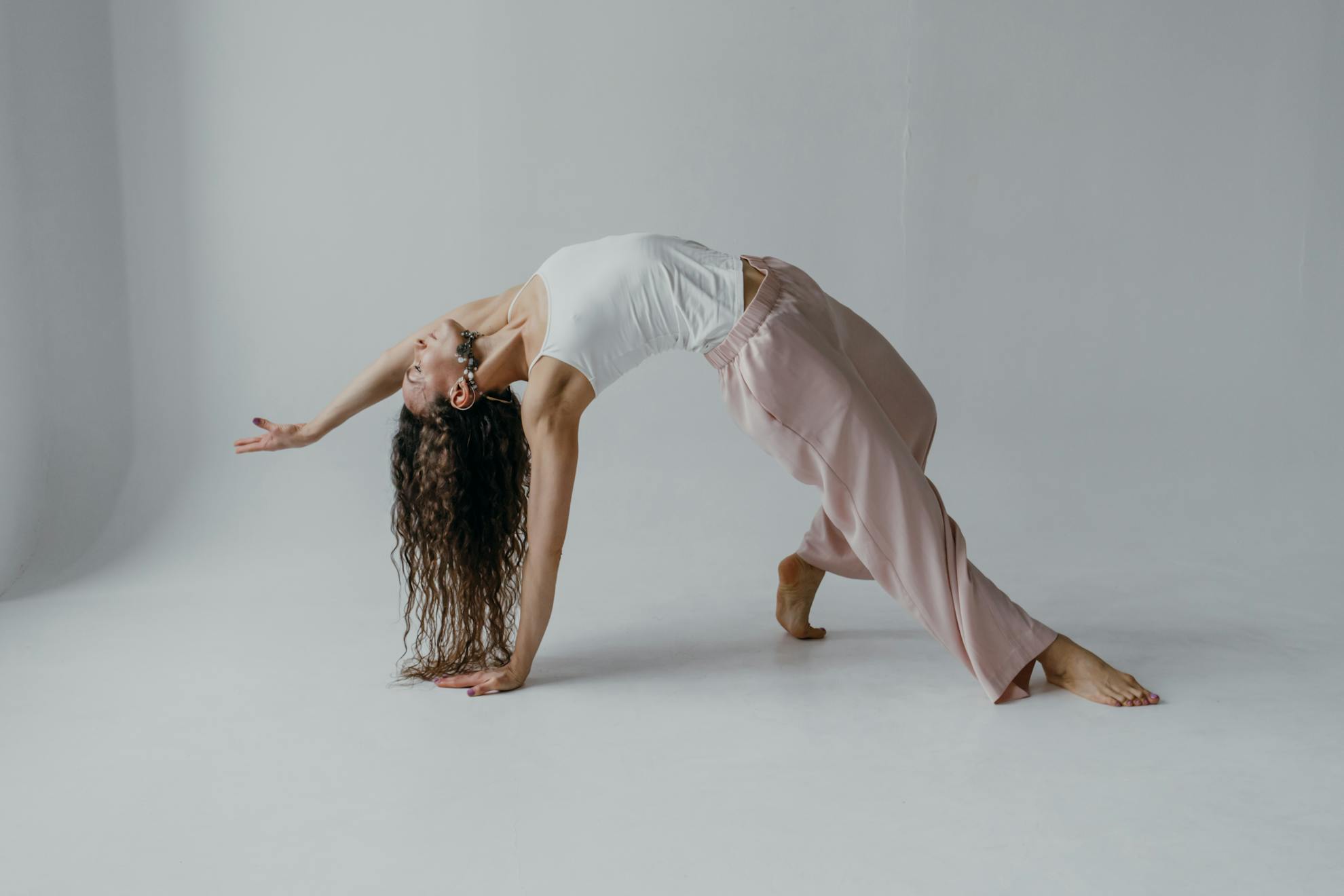
The road to transformation is rarely linear. It twists and turns, revealing lessons we didn’t anticipate and demanding patience we didn’t know we needed. For those of you who have followed my journey, you know that my world shifted dramatically in 2022. That year cracked me open, forcing me to look at life from a new perspective—one that led me deeper into the practice of yoga.

What Is It About Canggu That Makes It So Popular With Digital Nomads?
There’s something undeniably magnetic about Canggu. What was once a sleepy coastal village flanked by rice fields and quiet beaches has, in recent years, transformed into one of Bali’s most sought-after destinations. It’s a place where modernity and tradition dance in a delicate rhythm—where surfboards lean against temple walls, and coconut trees shade MacBook screens in bustling cafes. The energy here is palpable, a blend of creative ambition and deep, unhurried presence. It’s no wonder that expats, digital nomads, and wellness seekers have flocked here in droves, drawn to its effortless blend of work, play, and self-exploration.
Why is Bali So Synonymous with Yoga?
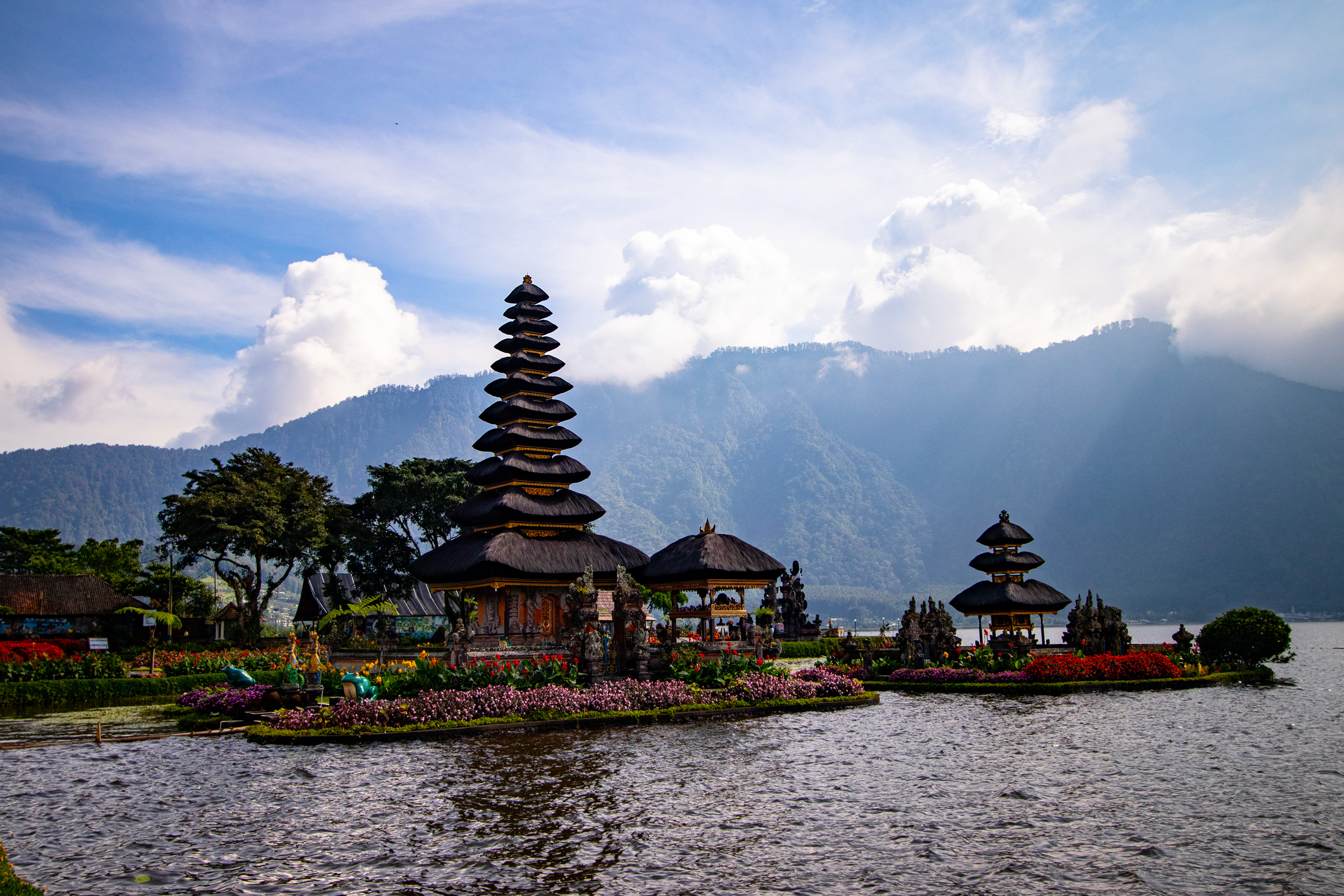
Bali has a way of calling to the soul, whispering through the rustling palms and the rhythmic crash of waves. It has become one of the most recognised destinations for yoga in the world, drawing seekers from all walks of life to its lush landscapes, sacred temples, and serene retreats. But what is it about this Indonesian island that makes it such a magnet for yogis? The answer lies in a powerful combination of culture, spirituality, and natural beauty.

What is an Adult Gap Year?
An adult gap year is a chance to step away from your day-to-day life and embrace everything you wished you'd done before university or entering the workforce—except now, you have the benefit of experience, wisdom, and (hopefully) some savings on your side.
Why Yoga? We asked a Yoga Teacher what makes Yoga so special.
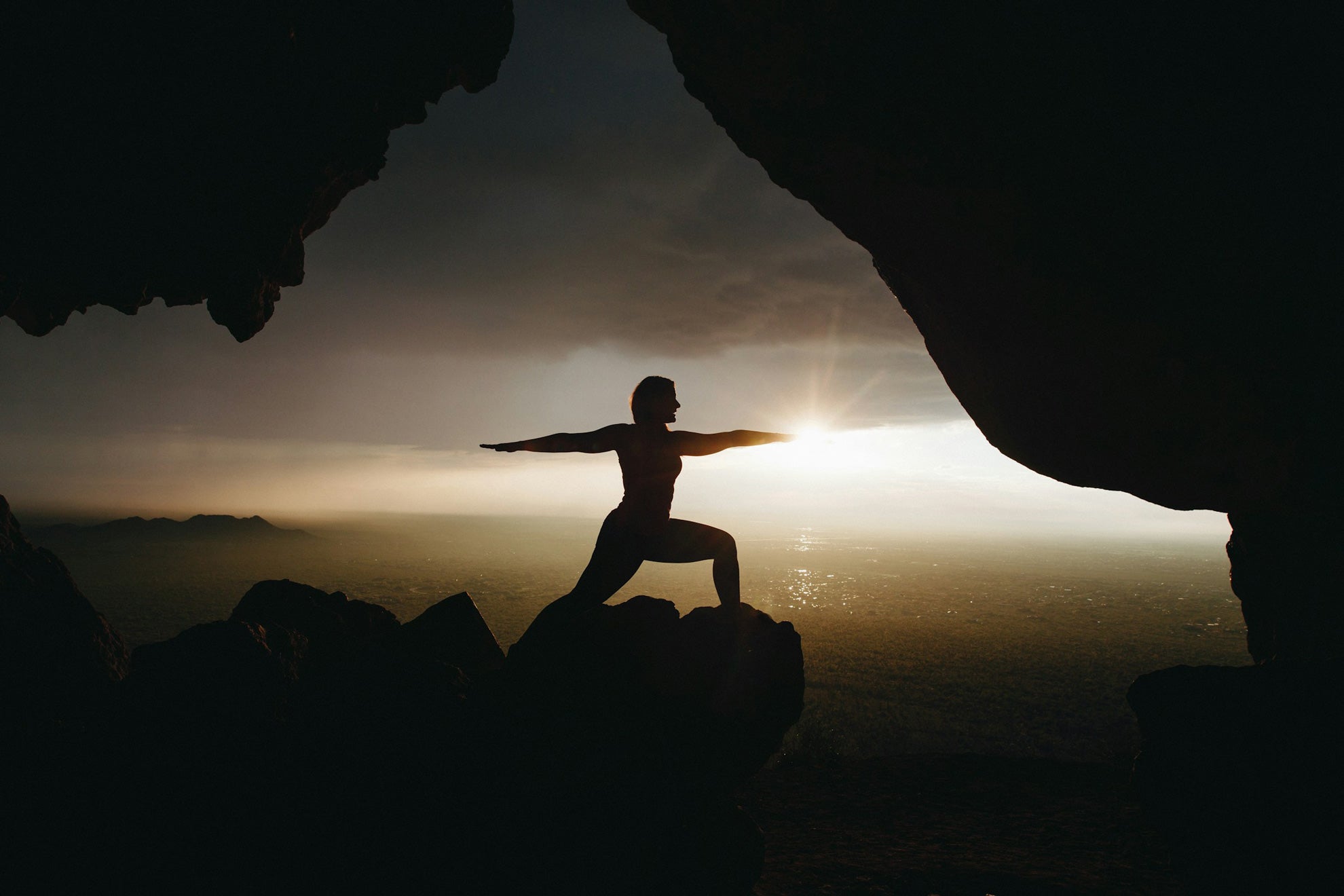
As a regular writer for Words and Contemplations, I decided to share the common questions I have been getting asked as a new Yoga teacher. These questions relate to my Yoga teaching so far. I have been teaching for less than a year, and I am curious about every stage of the journey. Right now, I am finding it profoundly eye-opening and humbling.
Exploring Mudras in Meditation
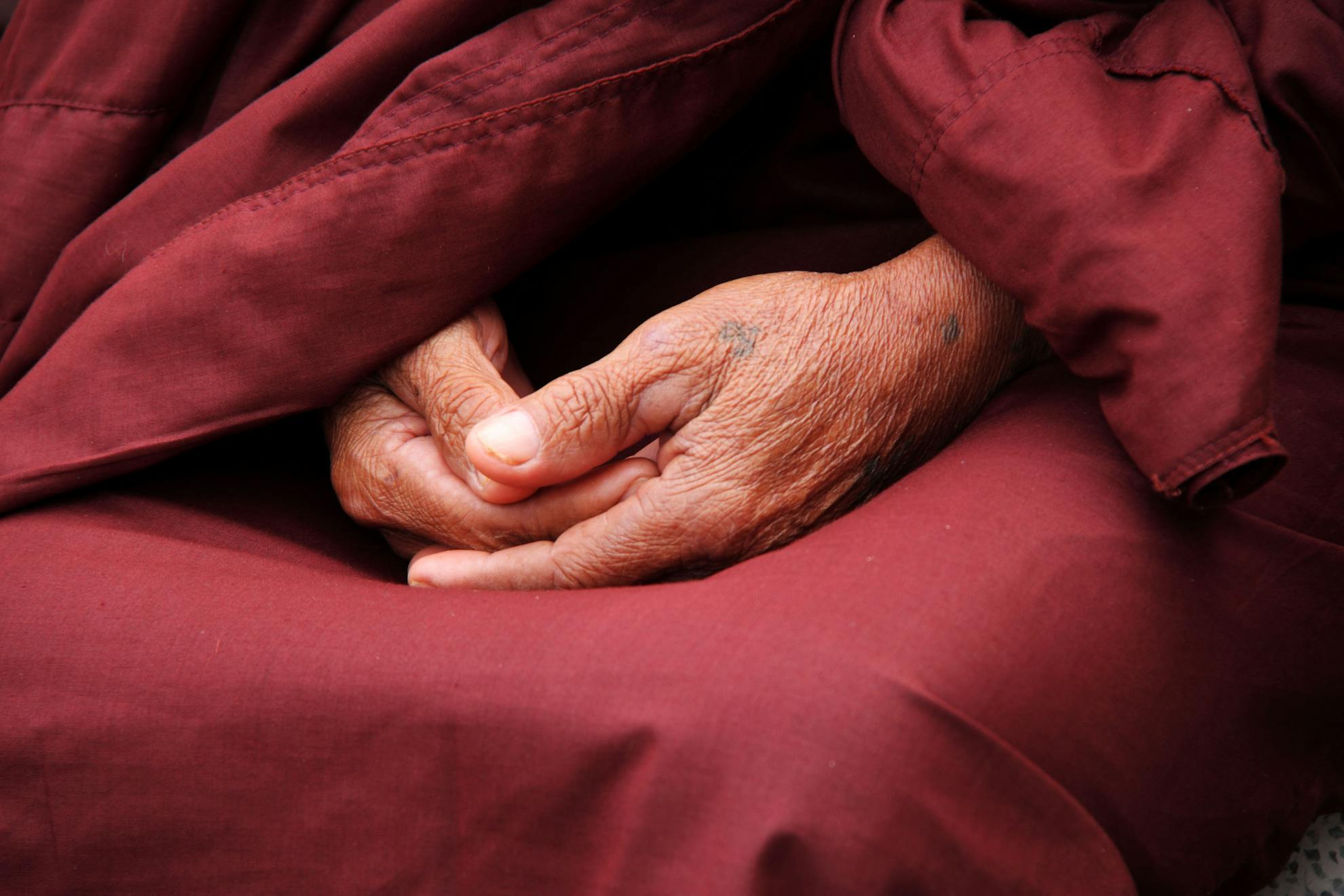
Mudras are how we position our hands when meditating. Each Mudra can seal the energy in the body, and when meditation, we want to seal that energy in as it's positive and restful.
Meditation, The 10 Benefits Found In Less Than A Month
I’ve reached the halfway point in my Meditation & Mindfulness Teacher Training and it’s been profoundly eye-opening. I have been meditating consistently for 24 days, although in a lifetime, it's not even a millisecond, the impact has been vast.
Is It Timing, Trust, or Divine Intervention? Navigating the Unknown
This last month marks the halfway point of my accidental transformation year, 2024 has been a wonderful journey filled with unexpected and incredible opportunities. Look for the signs, lean into the opportunities, and jump in. If you have ever heard these phrases, but dismissed them I urge you to look again.
20 Moments From 'I May Be Wrong' by Bjorn Natthiko Lindeblad
This book was one of the recommended readings before my Meditation & Mindfulness teacher training which starts late June 24. Not often does a book transport you to a quiet place of contemplation, while showing you how to cry and smile from the heart as the words touch your soul and your understanding of stillness emerges. An easy-to-read deep dive into the powers of the mind, the clutter of the thoughts and the truth that none of your thoughts matter. We are not our thoughts and we can choose to live more lightly.
Why Is Gratitude So Powerful?
Practising gratitude is said to improve sleep, reduce stress and improve mood. I think it also helps you find presence, for a moment, when you think about all the things you are grateful for you look back of course but you look at it from the present. The moment you are in, the moment that holds you that very second.
Yoga, Why Is It So Powerful?
The practice and dedication found in Yoga is a devotion that gives the yogi a purpose, a deep sense of self that is controlled, strong, understanding, patient and humble. Yoga is powerful as it shows each individual their body’s abilities, it gives them a space to self-demonstrate the power within. It sounds too good to be true and I, a person who wanted to get fit and be free of neck pain had no idea of this powerful layer until I was about 3 years in. I’m sorry to report it isn't instant, but you wouldn’t appreciate it if it was, trust me.
What is self-love? Why is it so important and what benefits will it offer?
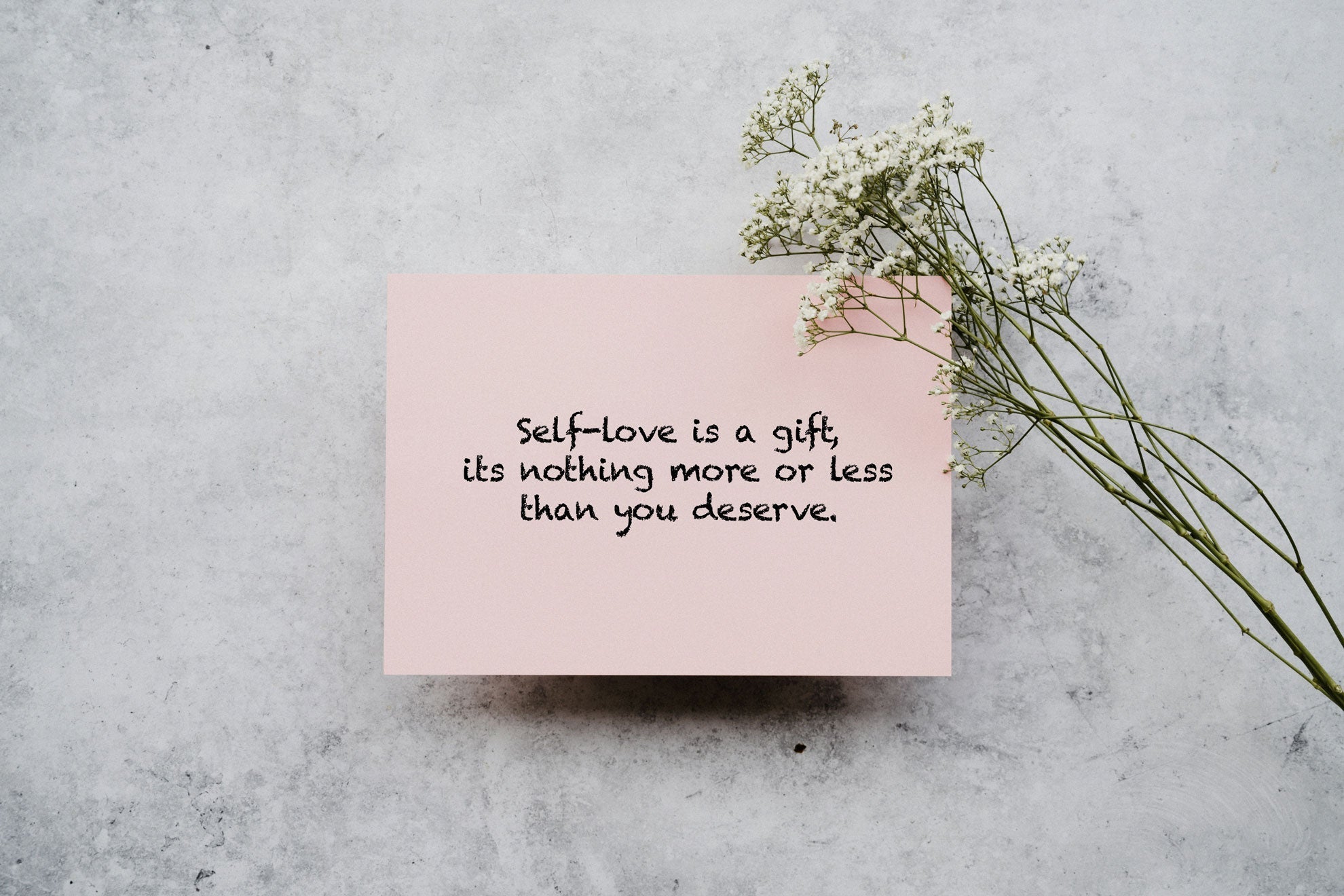
Self-love is when you put yourself first, it might be for a moment or once a week or maybe it's whenever you need to self-soothe. It’s finding things that are just for you. Moments that make you happy that you can pull on and continue to cultivate over and over again.
Yoga. Respect The Journey, Love The Practice
There are studies all over the world that explore and celebrate the benefits of yoga and although I know this to be true, I was always a little sceptical, I tended to explain away my weight loss as a combination of diet and running as well as yoga. However, I have to admit to not only being hooked but being a full 100% believer. Yoga has moved emotional blockers in the body that allowed my body to find a healthier state. Weight loss is a bonus, all the other benefits far outweigh a smaller waist and a stronger plank. The personal benefits I have felt in myself as well as others are astounding.
Ubud, Yoga Teacher Training and a lot of Ugly Crying
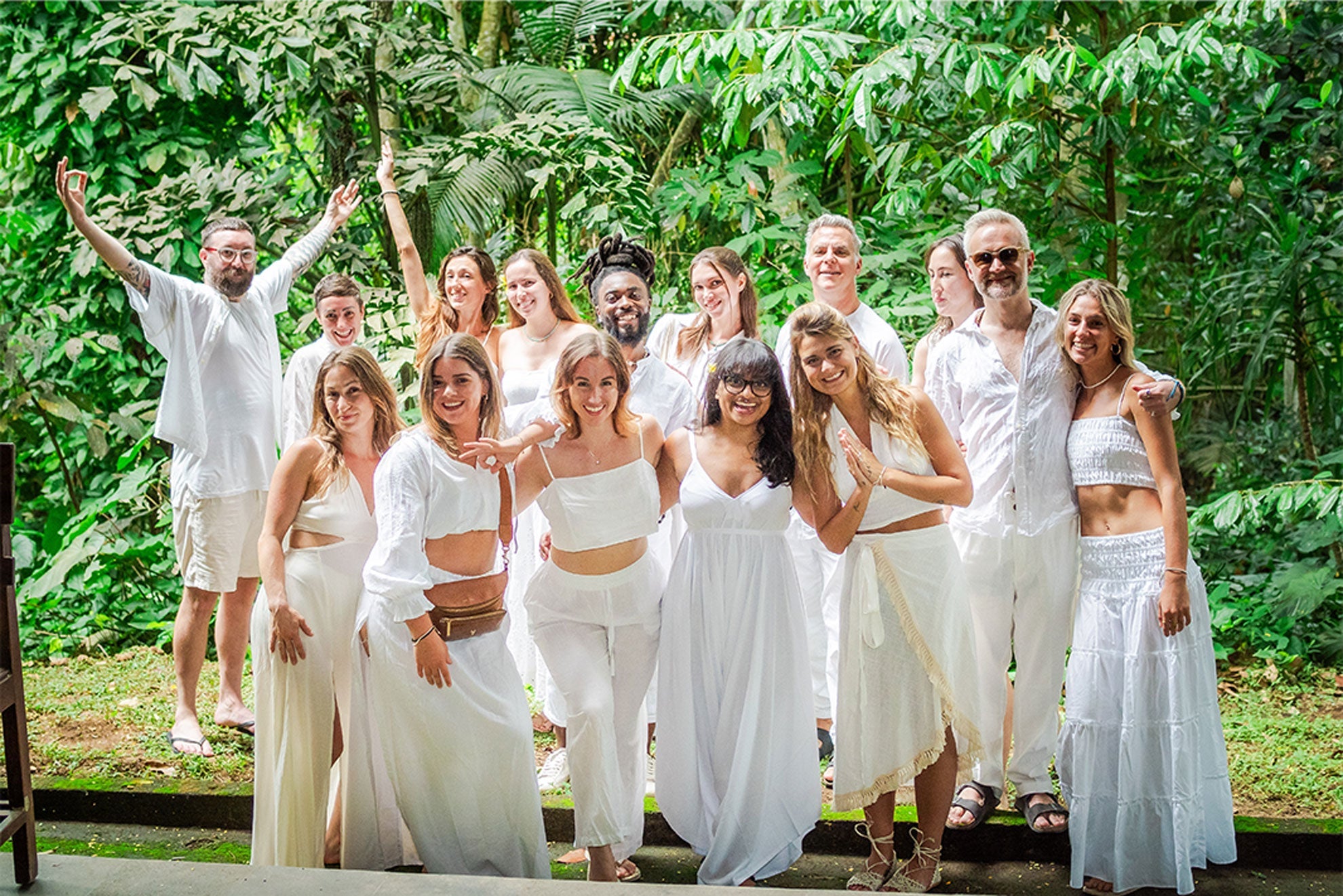
Only a 6-hour flight from Melbourne, I took the plunge and decided to undertake my Yoga Teacher Training. Now, what they don’t tell you is that it is more than learning poses and moving through transitions from one position to another, it's an eye and heart-opening experience, and if you ever do a YTT know that you will find yourself ugly crying on your mat.
3 Reasons Why You Should Have a Spiritual Practice
Daily practice has been a feature for me over the last 5 years. Over that time it has morphed (just like everything in the last 5 years), depending on what I need at the time and my intention for practice. It is my one non-negotiable, I will move heaven and earth to make sure I have time to sit, connect and be.
Yoga, The Long & Short Of It
The benefits are out there, if you have ever followed someone who does Yoga on instagram you can see their slimline strong body move through poses with elegance and poise. I’m here to share the process. (just in case like me you don’t look like them.) Why it should be hard and the benefit after the undiscussed strength building on and off the mat. Anything is possible in that body of yours but time and practice are built into yoga and that is the transformative nature of it.