Work
11 articles

10 Mindful Practices for the Unravelling Soul (On the Go)
When we left our work/life roles, I thought the hardest part would be the logistics. I quickly learned that the true challenge is the unravelling of the "doing" mind. Here are ten practices I’ve gathered from the road that you can do anywhere.
More tagged “Work”

When Your Environment Sets Your Limits: Rethinking Boundaries and Self-Worth
There’s something quietly profound, and often overlooked, about the boundaries and standards that shape our lives. Not always the ones we consciously set, but those gently handed down to us by the people and spaces we inhabit. Whether in work, friendships, family, or romantic relationships, these invisible lines quietly frame what feels possible, what we believe we deserve, and ultimately, how we see ourselves.

Learning to Sit With Yourself (and Everyone Else Too)
Regulating our emotions is a journey. You might be someone who feels deeply. Who notices the shift in the room when someone else enters. Who picks up on unspoken tensions, unmet needs, and unsaid apologies. You might be empathetic, curious, creative—and sometimes, exhausted. You may have learned to manage your emotions with a certain grace, yet still find yourself undone by the sudden sharpness of disappointment or frustration.

Living, Not Just Working: A Soulful Redefinition of Success
The first week of stepping away from a structured career into the unknown is filled with reflection. This gap year isn’t just a vacation—it’s the beginning of a deliberate shift toward living more fully, exploring new ways of being, and embracing the freedom that comes with uncertainty. It’s about letting go of the rigid structures that have defined my identity for years and stepping into a life designed around passion, purpose, and presence.
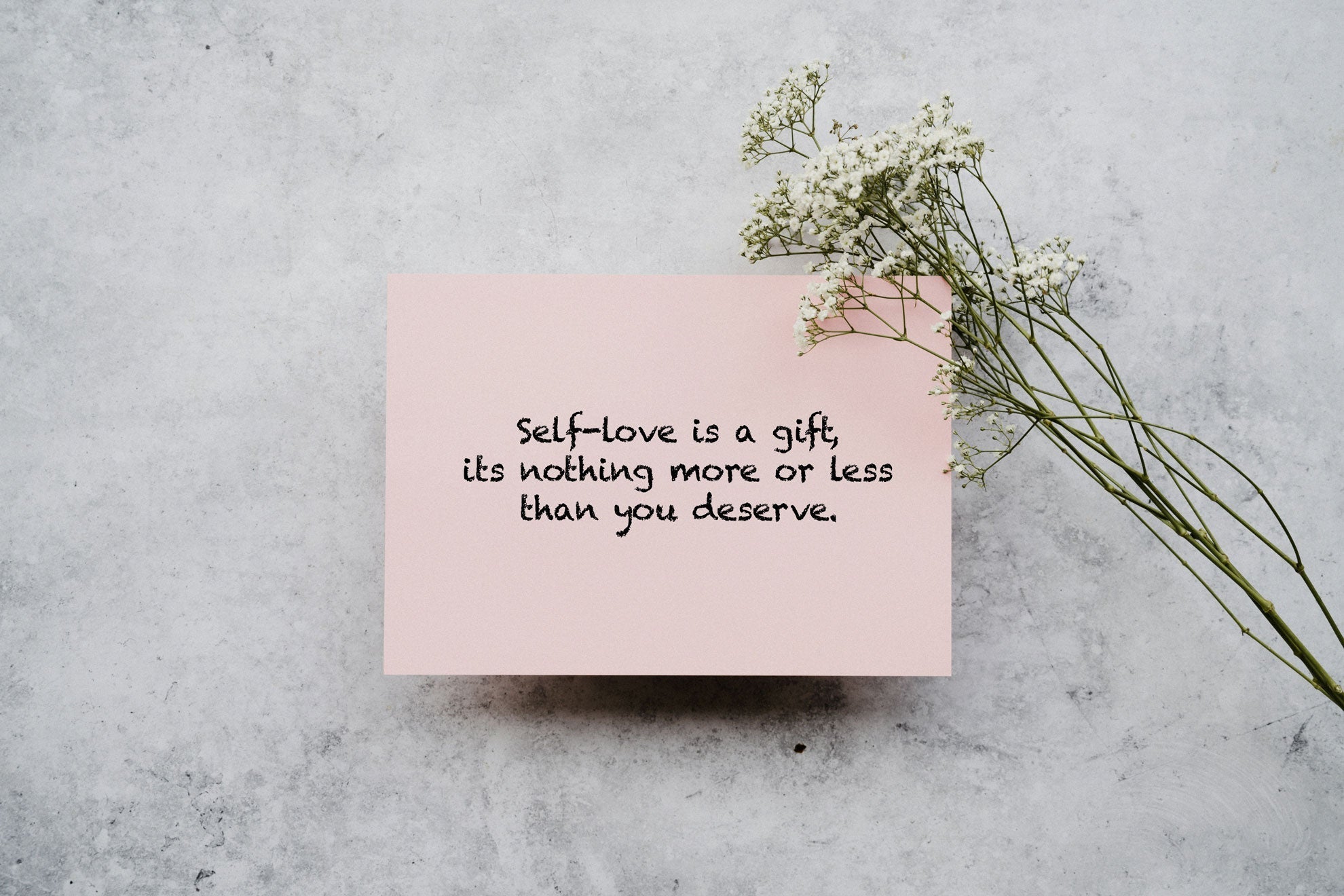
What is self-love? Why is it so important and what benefits will it offer?
Self-love is when you put yourself first, it might be for a moment or once a week or maybe it's whenever you need to self-soothe. It’s finding things that are just for you. Moments that make you happy that you can pull on and continue to cultivate over and over again.

The day I lost my words: what burnout did to my body
After one of the most challenging years of my life, I think I've finally understood what burnout actually is. The hardest part now is watching people around me live through the same thing, with different outcomes, because I can see the signs I missed in myself.

How to Find the Right Mentor for Growth and Guidance
We look to those around us to lead, show us the way, to be our guides. But why? How many of us have a true mentor that enables us to reach for the stars and develop to our fullest potential. Just because someone holds a more senior position than you in a business does not necessarily make them the ideal mentor.

Value & Worth Are Not Pay.
Have you ever really thought about how you determine your value, how much are you worth and if your worth is measured and paid for in currency, should it be? As a culture, we seem to be focused on how much money people have. But there has to be other ways to look at how you internally measure yourself.

Loving What You Do…
When someone says they love what they do for a living, what does that really mean? Is it that they have truly fulfilled their desires or have they simply met the expectation that they set for themselves? Expectation is a belief, a perceived, and at times a hopeful outcome. What if we lowered our expectations?

Melbourne Lockdown 5.0, It's Time
As Melbourne - the city in which I live goes into its fifth lockdown it forces us to once again take stock of our surroundings. If time is the only positive side effect of these lockdowns. What do you want to do with yours? Could time be a gift, an opportunity or is it simply a waste?

Why I Started To Blog?
The Why behind my Blog. Imagine longing to write every single day. That’s me, and the easiest thing for me to write about are my feelings, experiences and ideas. I do it to figure things out, to dissect an issue and find a solution or a lesson. Now I want to share to invoke conversations and new perspectives.