Sound
5 articles
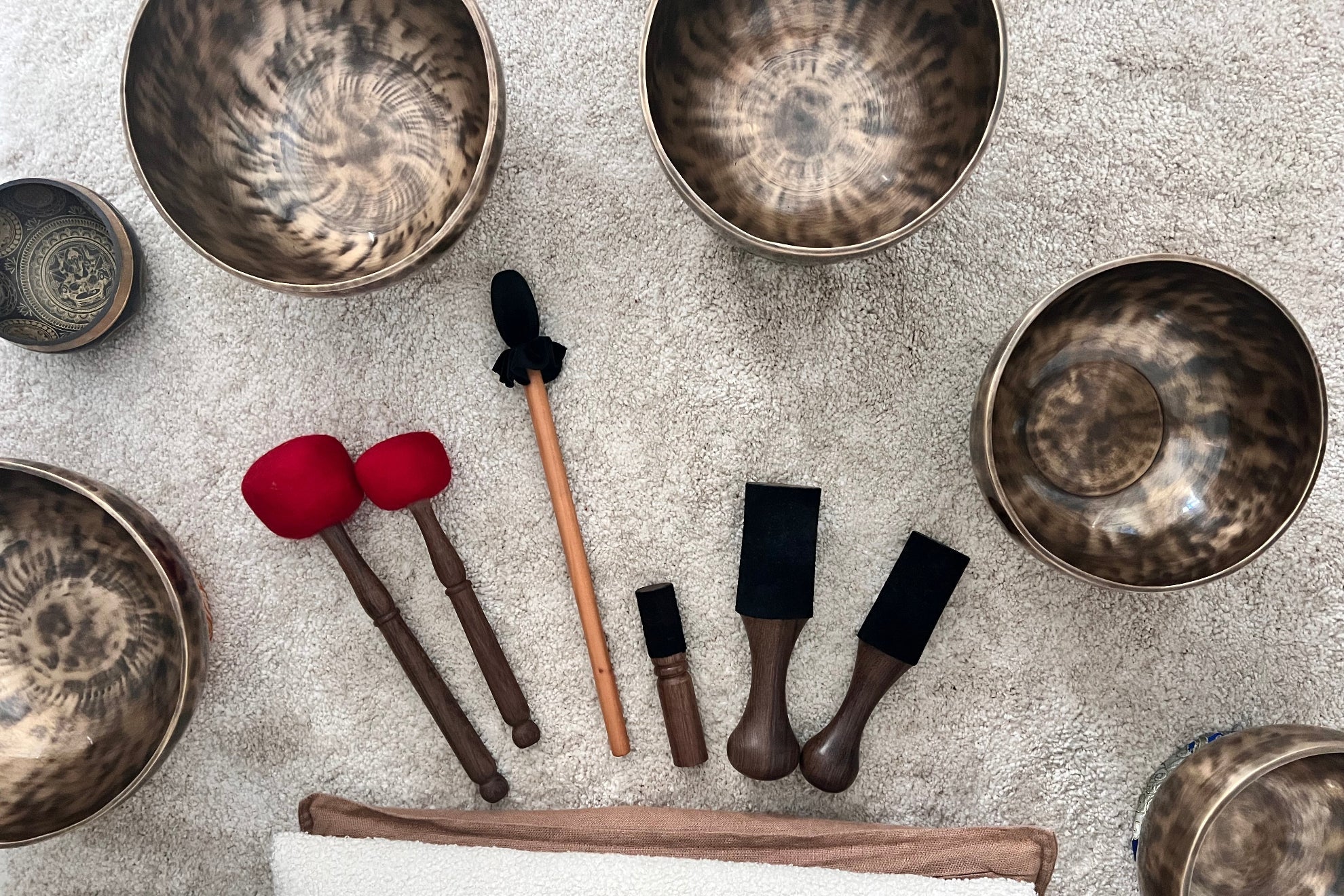
Sound Healing in Yoga: Why Learning to Receive the Tones Changes Everything
The first time I experienced a sound bath, I didn't quite know what to do with myself. I lay there, watching the ceiling, waiting for something to happen and then frustrated with myself for waiting, because weren't I supposed to just... let go?
More tagged “Sound”
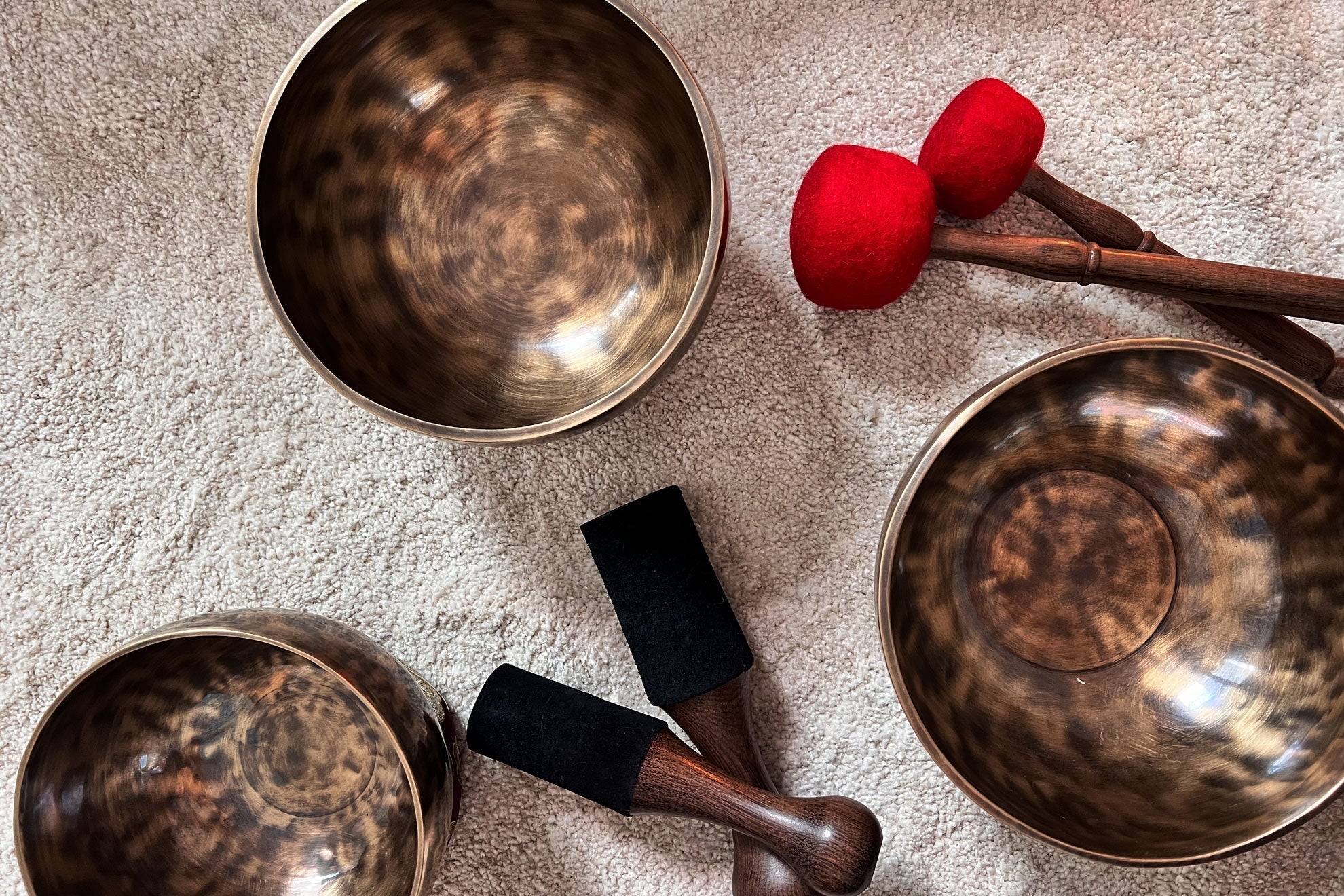
A Symphony of the Self: The Science and Soul of Sound Medicine
“Every illness is a musical problem—the healing, a musical solution.” In our modern world, we often perceive our bodies as solid, static structures. Yet, if we look closer—through the lens of both ancient wisdom and modern physics—we find that we are actually a symphony of oscillatory patterns. From the rhythmic beat of our hearts to the subtle hum of our cellular membranes, every cell, tissue, and organ in the human body possesses its own unique resonant frequency.

Yoga as a Framework for Wholeness
Yoga has always been more than movement. Long before it became a practice of postures, it was described in the ancient texts as a complete framework for living with steadiness and clarity. The Yoga Sūtras of Patañjali remind us: “Yoga is the stilling of the fluctuations of the mind.” (Yoga Sūtras I.2)

Everyday Moments That Are Yoga (Without You Realising)
Yoga is often thought of as postures on a mat or quiet studio time. Yet the ancient texts describe it far more broadly, as a framework for cultivating steadiness, awareness, and presence in every aspect of life. The Yoga Sūtras tell us:

Scent, Sound, and the Sanctuary of Home
A sensory guide to calming your nervous system and reclaiming peace. There’s something deeply human about wanting to feel in control of your environment. It’s not about being fussy or high-maintenance — it’s about tuning in. Attuning your surroundings to support your body, your mind, and your emotional balance is a form of self-respect.