Relationships
49 articles

The Architecture of Awareness: Using Yoga as a Framework for Self-Study
Self-awareness is rarely accidental. It is built: slowly, deliberately and through practice. What drew me to yoga was movement. What kept me there was something far less visible: the framework it offered for understanding myself.
More tagged “Relationships”

Navigating Difficult Times With The Right Internal Support
Lately, I have been thinking about the ways we outsource our wellness. We seek advice. We ask for reassurance. We hand our experiences over to others to interpret. And sometimes that is necessary. Reflection and projection are powerful tools; being witnessed in our struggles can soften their edges. Community matters. Guidance matters.
The Revelations Found in Astrology and Human Design
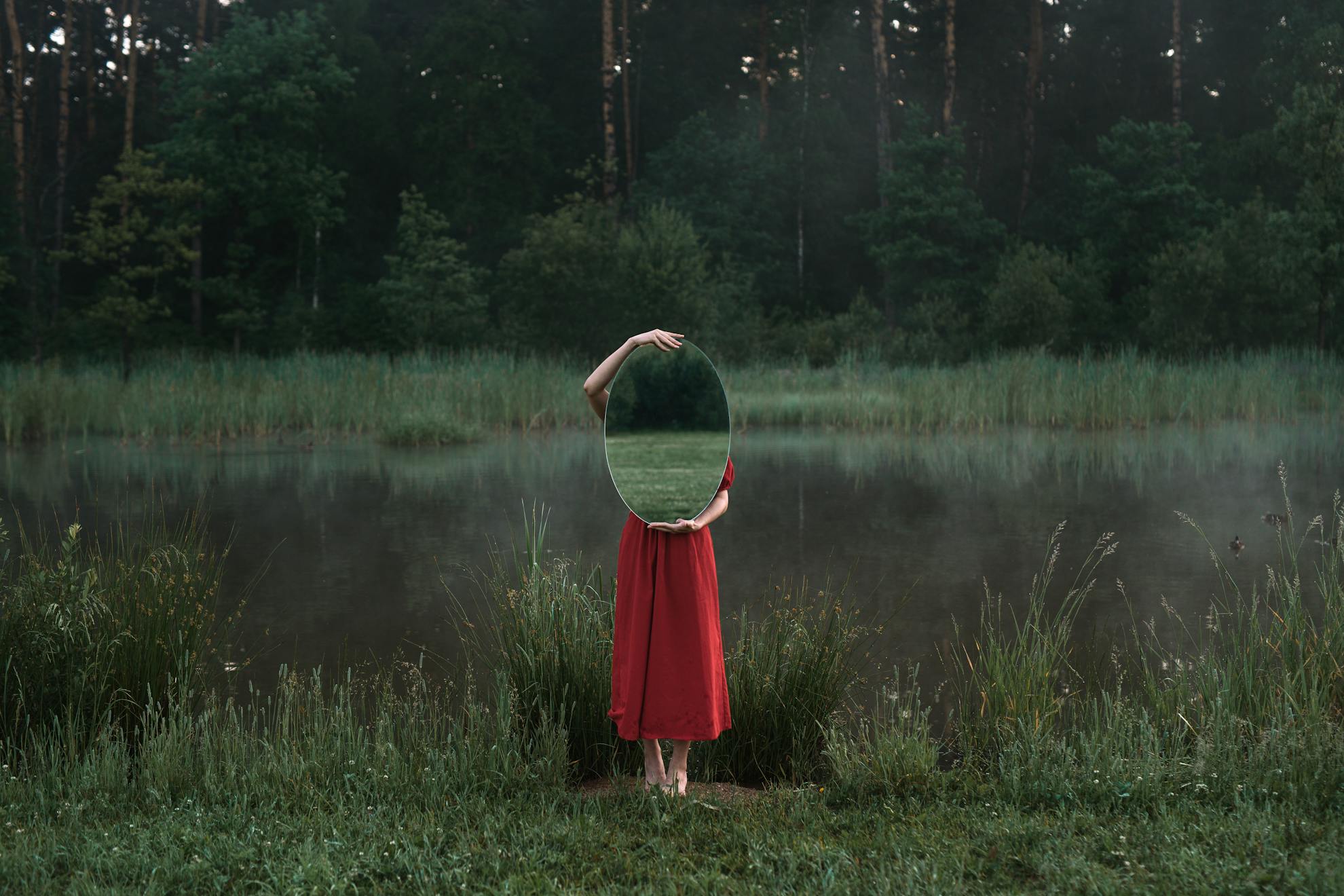
I’ve always believed that self-inquiry can be a portal. Sometimes that portal is meditation. Sometimes it’s heartbreak. Sometimes it’s travel, long and lonely and bewildering. But recently, it came in the form of something unexpected:Running my astrological birth chart and my human design through ChatGPT.

Astrology, Human Design, and the Desire to Understand Ourselves
There are times when self-understanding doesn’t come from doing more, fixing more, or striving harder - but from seeing yourself clearly for the first time. Recently, I explored both my astrological birth chart and Human Design, not to predict the future, but to understand myself more deeply during a period of transition. What unfolded wasn’t instruction or certainty, but recognition. This reflection explores what these systems are, why so many are drawn to them right now, and how they can offer permission to embrace the parts of ourselves we’ve often tried to override.

Listening Beneath the Mind: Yogic Practices to Heal the Samskāras That Shape Our Lives
We all carry stories that feel so familiar they might as well be our own voice — the subtle doubts, the quiet assumptions, the emotional reactions that rise before we even have a chance to choose differently. In the yogic tradition, these inherited imprints are known as samskāras: subliminal impressions carved into us through repetition, experience and unexamined memory.

Lived Wellness: Moving Beyond Consumption to Everyday Being
In a world where wellness is often sold as “buy this product,” “subscribe to this service,” “follow this influencer,” it can feel like well-being is something external that you purchase. But what if true wellness was the opposite? Lived, found, built from the inside out, free and accessible. What if it wasn’t about what you buy, but what you do, what you think, what you become?

Lived Wellness, Beyond the Thinking Mind
Food, thoughts, emotions: these are all attachments we can become addicted to, especially the ones that reinforce our worldview. We crave confirmation, whether through accolades, achievements, or approval for our choices. But that’s all they are, choices.

Life Lessons in Your 30s: Wellness, Growth, and Finding Yourself Beyond the Surface
A reflection on wellness, wholeness, and the quiet lessons that keep arriving. Your thirties are a middle ground, old enough to know better, young enough to still test the edges. Somewhere between who you thought you’d be and who you’re becoming, life starts to whisper its truths. This is the decade when awareness deepens, priorities shift, and the surface begins to crack in the best possible way.

Meditations as Portals: Shifting the Mind, Soothing the Body
We spend much of our lives replaying the past, thoughts become familiar, feelings become habitual, and the body begins to live in cycles of memory. What feels like “just the way things are” is often simply a loop of remembered emotions.

Beyond the Past: Rewriting the Stories We Live By
There comes a time when we begin to notice that the patterns repeating in our lives are not coincidences; they are mirrors. The way we love, react, protect ourselves, and withdraw often stems from stories we didn’t consciously choose. They are scripts written by earlier versions of ourselves, shaped by our experiences, emotions, and beliefs.

Learning to Trust Through Love
We often speak of love as something we either have or don’t, something we fall into or out of. Yet few of us pause long enough to consider its deeper purpose. What if love is not the destination, but the lesson itself?
Chance Encounters That Change You: How Travel Brings the Right People Into Your Life
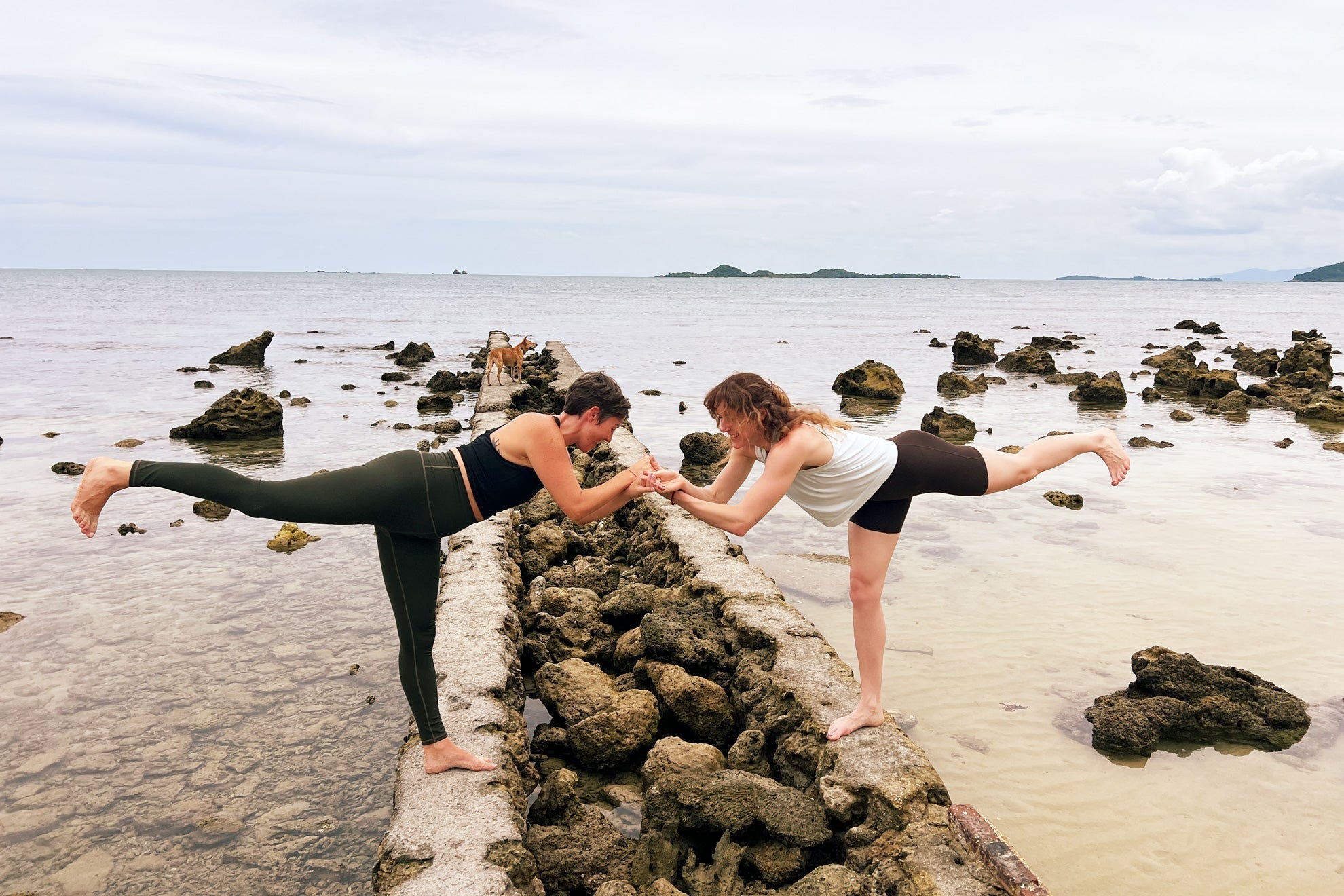
There are people in our lives who remind us to play; the ones who make you want to cartwheel on the beach, run along the sand, or balance, laughing, in a rock pool in warrior three. On my Koh Samui retreat, there was one such person: Bronte.
When People Show Up: Embracing Divine Timing and Connection
In the tapestry of our lives, certain individuals appear at pivotal moments, their presence seemingly orchestrated by forces beyond our comprehension. These encounters often feel serendipitous, yet within the framework of yogic philosophy, they are seen as manifestations of divine timing, guiding us toward growth and self-realisation.

The Light We See in Others: A Story of Gratitude and Human Connection
There are moments in life when we meet people who feel like mirrors. All the qualities we long to recognise in ourselves appear so effortlessly in them. And then, as you spend time together, you realise something extraordinary: what you see in them is what they see in you. The connection becomes something rare and beautiful — a space where you bring out the best in one another, even though just days before you were strangers.

Saying No Without Guilt: Gentle Practices for Self-Respect and Balance
In times past, people could retreat into caves or forests in search of clarity, stepping away from the noise until answers arrived in silence. Today, life feels far less simple. We are constantly pulled in different directions, with advice, expectations, and ideas about wellness and success coming at us from all sides. Each day presents countless small choices: what to eat, how to spend our time, who we spend it with, and even how we speak up for ourselves. Learning to say no with kindness and without guilt is not just about the big decisions; it’s about honouring these small choices, nurturing self-respect, and creating balance in everyday life.
The Multi-Dimensions of Wellness Part 2: A Gentle Guide to Living Well
Wellness is often spoken of as a set of practices or a checklist of what we should do, but in truth, it is far more subtle, far more intimate than that. It is the quiet tending to our inner landscapes, the noticing of our energy, our thoughts, our relationships, and the spaces we inhabit. In the first part of this exploration, we wandered through the many dimensions of wellness—physical, emotional, social, spiritual, and beyond. In this continuation, we move from awareness into gentle application. How do we invite these dimensions to speak to us in our everyday lives? How do we bring wellness into the rhythms of our days without it feeling like another task to complete?

Exploring How Culture Shapes Your Experience: A Reflective Guide to Wellbeing and Place
There are places in the world that make you feel whole, grounded, and deeply nourished, and there are places that quietly take from you, chipping away at the equilibrium you’ve worked to cultivate. It can feel as though the culture of a place seeps through your skin, shaping your energy and attitude before you’ve even noticed.

When Your Environment Sets Your Limits: Rethinking Boundaries and Self-Worth
There’s something quietly profound, and often overlooked, about the boundaries and standards that shape our lives. Not always the ones we consciously set, but those gently handed down to us by the people and spaces we inhabit. Whether in work, friendships, family, or romantic relationships, these invisible lines quietly frame what feels possible, what we believe we deserve, and ultimately, how we see ourselves.
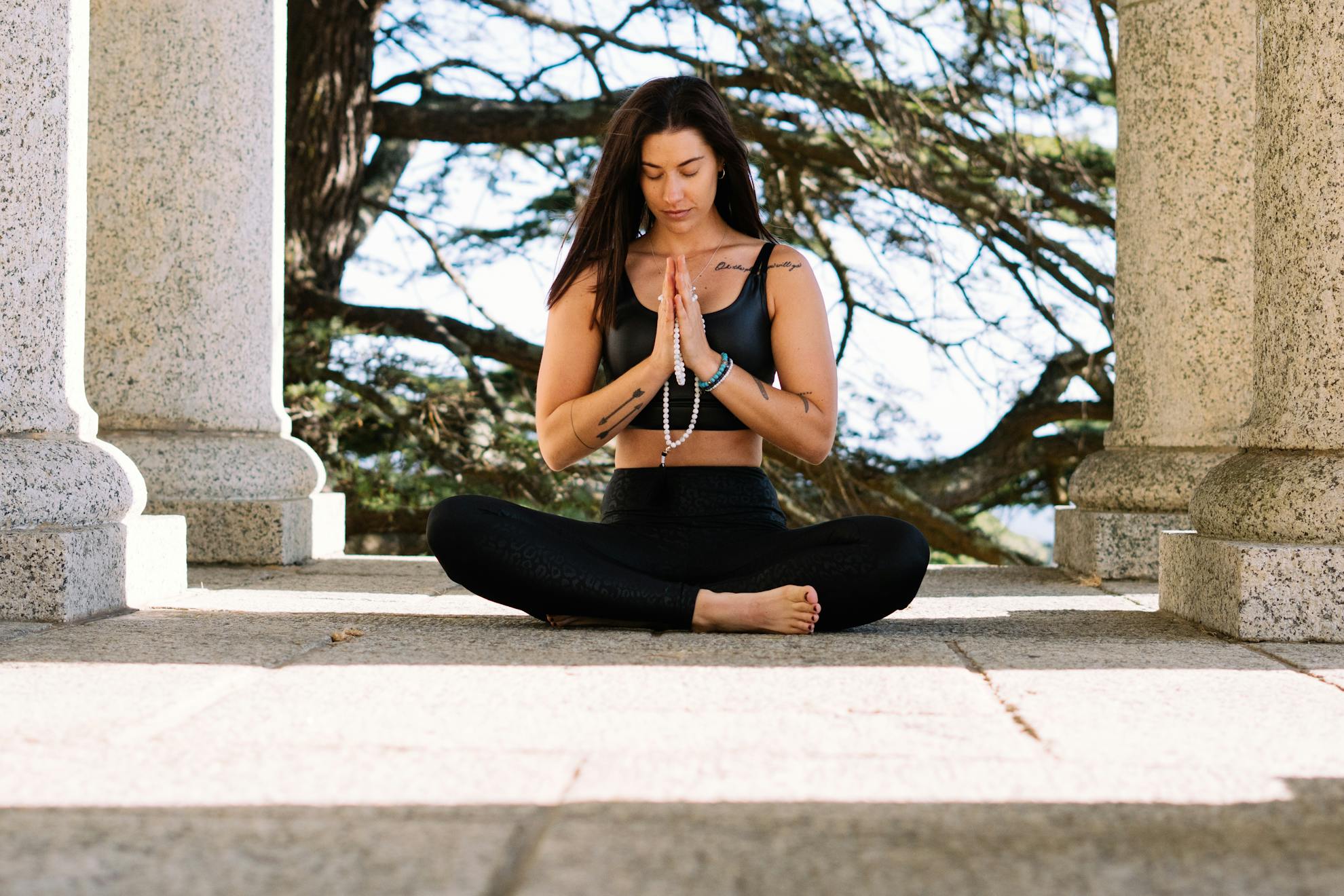
Yoga as Life’s Lens: Reflections on Autobiography of a Yogi
Paramahansa Yogananda’s Autobiography of a Yogi is more than a spiritual memoir; it’s an invitation to see life through the lens of the soul. In his telling, the extraordinary becomes accessible, not as far-off miracles but as a way of living rooted in self-awareness, discipline, and love.

20 Reflections from The Surrender Experiment by Michael A. Singer
I read The Surrender Experiment just days after walking away from my corporate job, twelve months into the unknown. No guarantees, no structured plan. Just a quiet knowing that something had shifted.

Self-Love Isn’t What You Think: It’s an Inner Homecoming
There’s a common belief in the wellness world that everything begins with self-love. But I’ve come to learn that it’s not always true. You don’t need to force love upon yourself, or convince yourself that you are worthy, or even forgive yourself first to love yourself. And while an at-home facial or a scented candle might offer a moment of stillness, they aren’t the same as true self-love. I’m talking about the kind of quiet recognition that lives deep within you, the inner knowing that you are already loved, already whole.

Going Home at 38: What It Means and Why It Matters
Home has been in flux for me lately. With travel comes the idea that I’m a nomad, that I can become comfortable wherever I lay my head. And to some extent, it’s true. I open a suitcase, light some incense, set up a playlist, and move on my yoga mat, and I feel grounded. A sense of home lives in these rituals.

Meeting People With Smiles
In a world that often feels rushed and disconnected, what if the simplest gesture, a smile, could shift not only your day but someone else’s? In this reflection from Bali, I explore the quiet power of going first, of offering joy without expecting anything in return… and what happens when that joy circles back.

What Travel Taught Me About Letting Go: A Journey Beyond the Itinerary
We’ve been in Vietnam for 12 days, and I’d be lying if I said it’s been plain sailing. After the peace we found in Bali, this rhythm of packing up and moving every 4–5 days feels tedious. There was something grounding about our daily yoga practice there, something magical in the stillness that gave our time structure and soul. Now, without that anchor, we find ourselves drifting, disoriented and restless.

Leaving Melbourne: On Love, Privilege, and the Search for Home
I wrote this piece back in April 2022, and it feels poetic that it still holds relevance now, three years later, in April 2025. I’ve left most of it unchanged. It speaks to something tender about the way time carries us—sometimes with a gust, other times with the softest nudge from one place to the next.

Ecstatic Dance: A Homecoming to the Body
While in Ubud, I’ve been trying to open myself to everything this place offers. There’s a current of possibility here, pulsing quietly beneath the surface. After experiencing the depths of sound healing—something I’ve done before and always found moving—I felt curious to take it one step further.

Outgrowing the Hands That Once Held Us: Letting Go, Growing Stronger, and Knowing Your Worth
Friendships are supposed to uplift, support, and encourage us to grow. But sometimes, what we believe to be friendship is something else entirely—manipulation disguised as loyalty, control masked as care. True friends want to see you thrive, even if that means watching you walk away into something better. But not everyone in our lives fits that definition.
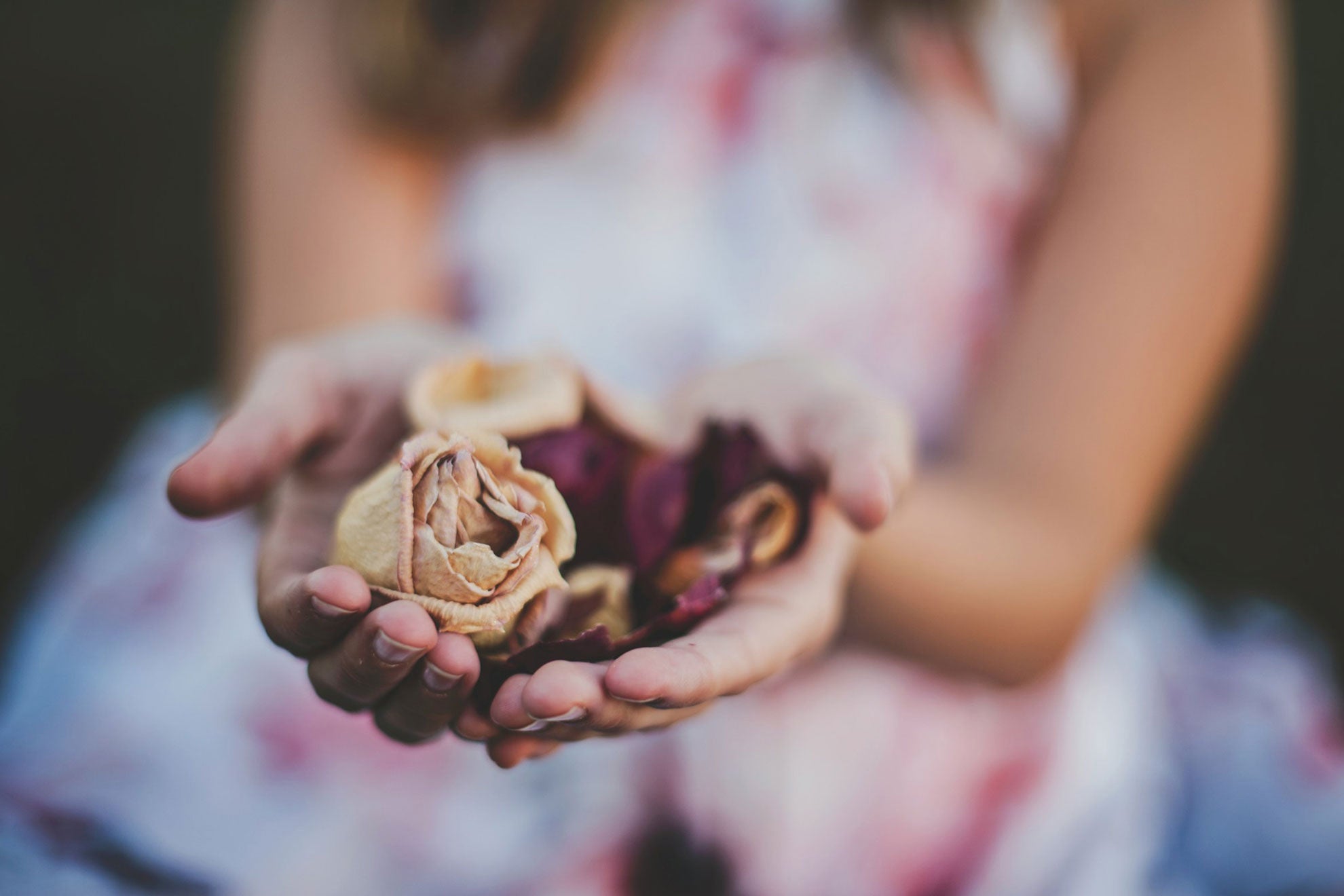
Letting Go Lightly, With A Balinese Purification Ceremony
Yesterday, I attended a Balinese purification and blessing ceremony with Tri Desna in Ubud. While the full impact of letting go may take days, even weeks, today, I feel lighter. Rested. Unburdened. Even in the midst of a gap year—a time meant for freedom and exploration—I had unknowingly packed emotional baggage alongside my travel essentials. We all do.

How To Use Challenges To Welcome Change
As I move through what seemed in the moment to be one of the most challenging yet eye-opening experiences of myself to date, I realise that it is not that this challenge is any better or worse than any that preceded it; it is me who has altered the way that I feel it, witness it and let it control me. I feel awake, even brought alive by this challenge, more so than ever before. I realise that the challenge will soon be irrelevant and that all that has happened was always going to. All that was in my control was my choice of how to let it affect me, how I chose to respond, and how I wanted to be perceived, remembered and heard. There is true power in choice, awareness and understanding.
Learning To Trust Yourself: A Guide To Inner Knowing
Finding trust in yourself so that you can trust the journey you are on. Choosing to believe that not to know that what is happening at any given time is ok it’s part of the process. It's all part of what will one day make up your story. The right here, right now can feel heavy, uncomfortable or painful but it is temporary. It will pass. You cannot feel the depths of every experience if it is only the fear you let in. What if you were to explore beyond the fear? Beyond the pain, there will be a message, a lesson or something stuck that you have yet to explore. Without delving into what it means, you are missing the lessons your life tries to show you. The parts of you that will make you all you know inside you already are. The parts of you that you long to share and be at ease with, the raw the vulnerable, the real you. Moving through the pain, into understanding is how you find freedom in letting go.

The Stories We Tell Ourselves
One day you will look back upon the things you believed and it will seem as if someone else’s voice was directing you. The voice inside will evolve if you let it, allow it the space to learn from your mistakes, and test the theories that the child version of you learned to believe. Trust, be brave and create new beliefs for yourself to live by. Once you start to listen, you’ll embark on a deeper understanding of yourself and the world around you.

Love, Perception Verses Reality
To love is to be at ease with another, this ease can sometimes create a false perception for onlookers. Ease does not mean easy. After a recent collection of conversations with singles, I have become curious about this topic, and how a skewed perception of couples from singles who are looking for love could be damaging. I wonder how a momentary judgement may disillusion their current worldview. For what it is now is not what has always been.
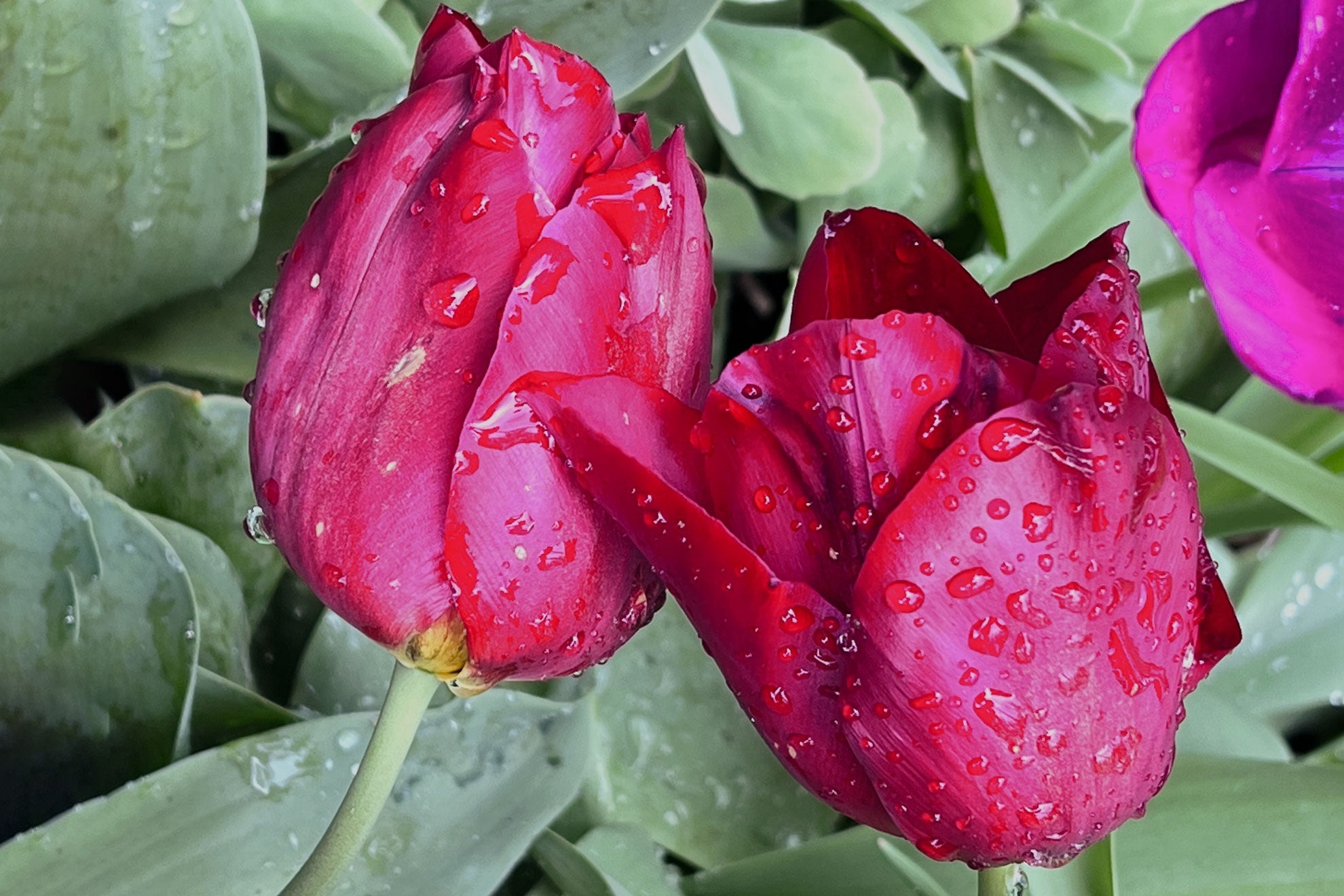
What Is The Meaning In A Raindrop?
When the rain drops from the sky it transforms the ground beneath it, if only for a moment, this temporary change is part of the cyclical nature of our world.
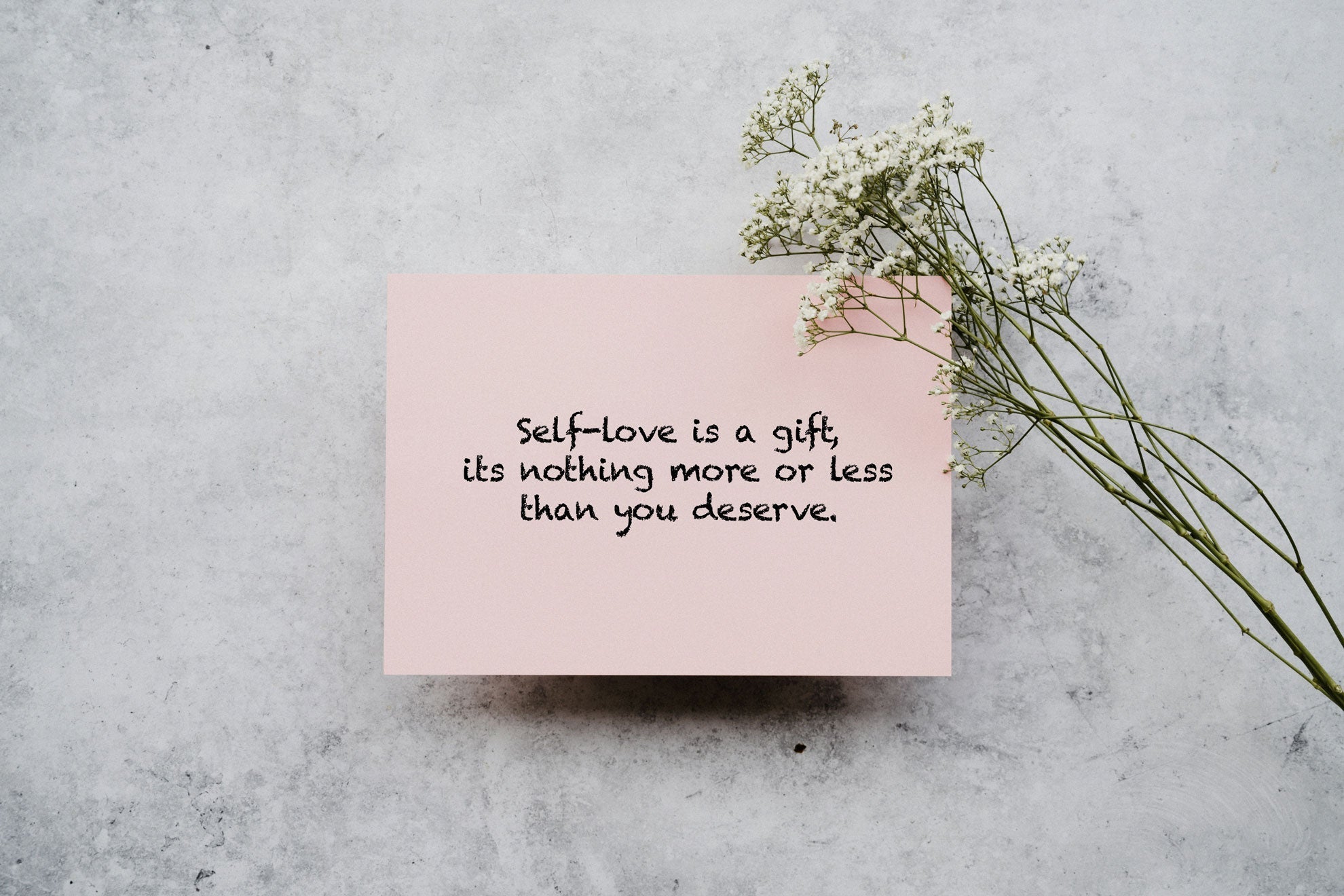
What is self-love? Why is it so important and what benefits will it offer?
Self-love is when you put yourself first, it might be for a moment or once a week or maybe it's whenever you need to self-soothe. It’s finding things that are just for you. Moments that make you happy that you can pull on and continue to cultivate over and over again.
The Power of Journaling
Writing regularly is something that is said to free the mind, to process one's thoughts, to download the noise. For some, it is a collection of thoughts that were, in the moment of writing important. For others, it's a way of making sense of the hundreds of thoughts we carry every day.
Sensitivity and Introversion - Susan Cain's book Quiet
The overarching message that I got from this book was that you can unleash the power in the quiet and learn to be more of yourself in the not-so-quiet. Social and other so-called extroverted activities are learnable skills that can be scaled gradually so all introverts can enjoy both the solace and the social, in a setting and environment that nurtures them. It’s ok to be the person looking for the most interesting conversation in the room,
3 Reasons Why You Should Have a Spiritual Practice
Daily practice has been a feature for me over the last 5 years. Over that time it has morphed (just like everything in the last 5 years), depending on what I need at the time and my intention for practice. It is my one non-negotiable, I will move heaven and earth to make sure I have time to sit, connect and be.

I lost the ability to speak: it took me nine months to admit why
After one of the most challenging years of my life, I think I've finally understood what burnout actually is. The hardest part now is watching people around me live through the same thing, with different outcomes, because I can see the signs I missed in myself.
Love, it's When
It’s when you truly want good things for someone other than yourself,It’s when you offer your time, unconditionally,It's when you buy something they would never buy for them self - just because.

How to Find the Right Mentor for Growth and Guidance
We look to those around us to lead, show us the way, to be our guides. But why? How many of us have a true mentor that enables us to reach for the stars and develop to our fullest potential. Just because someone holds a more senior position than you in a business does not necessarily make them the ideal mentor.
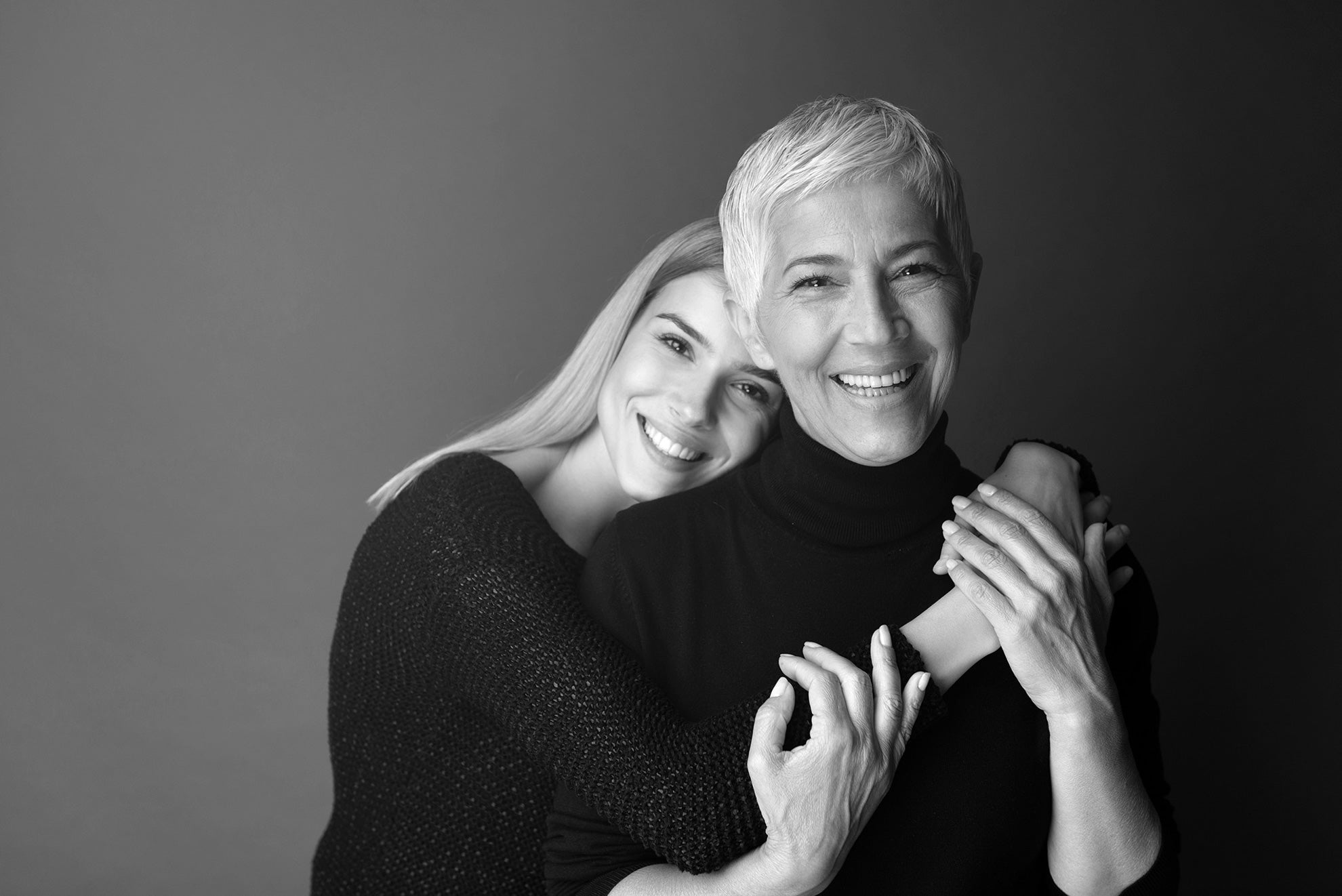
When you start to see your parents differently
There comes a quiet moment in adulthood when you stop seeing your parents as the all-knowing figures of your childhood and start seeing them simply as people, and what you do with that realisation can either deepen the distance between you or gently begin to close it.

Embrace All The Facets Of You, Even When They Conflict
I was recently reminded of some advice I heard many times as a child, but on this recent occasion, it was used as an example of bad advice. ‘Pick one thing.’ I wonder how many times this phrase, suggesting that we select one area of interest and commit to it is used. This, when used with children, in theory, gets us to mastery of a skill as we reach adulthood.

The Multi-Dimensions Of Wellness Part 1: Understanding the Whole of Who We Are
Living a wholesome life with good stable mental health is what we all dream of, isn’t it? Why is it that when you google wellness or well-being you are met with long-form complicated articles, fluffy images with soft pink colours or centres for massage and facial treatments? It’s no wonder we all seem so confused.

The Gift of Ugly
Have you ever met someone that is you when you are at your worst? Their fire is like your fire, only when you see it on another it looks kind of sideways, uncomfortable and a little ugly. You fight it pretending that you are nothing like this person, but once you have seen it, it’s impossible to unsee it.

Overcoming The Expectations Of Christmas
For many of us, the idea of being with family over the festive season will fill us with either joy or dread. I wonder why these feeling live in the extremes, all families have their complicated histories, but what is it about Christmas especially that makes it so tough for so many. How do we overcome the expectations of Christmas? Its the only un-negotiated social convention.
The Power Of Saying- No, Thank you
Do you need to say no? Or at least consider it as an option more often. I believe what the world has shown us recently, more than anything else is that underneath all the noise and so-called ‘being busy’ we might only need a few key basics. Looking around some of these basics can be seen in the form of comfortable clothing and natural hair colour but other basics like the quality of relationship are a little more difficult to identify, although are ever more important.
Your Desired Change, Your Responsibility
It was Einstein that said, “The definition of insanity is doing the same thing over and over again, but expecting different results.” I think we all tend to do this in some capacity. We wait for a change to happen, hoping someone or something will rescue us. We can seem powerless to take responsibility.
Choosing Your Who...
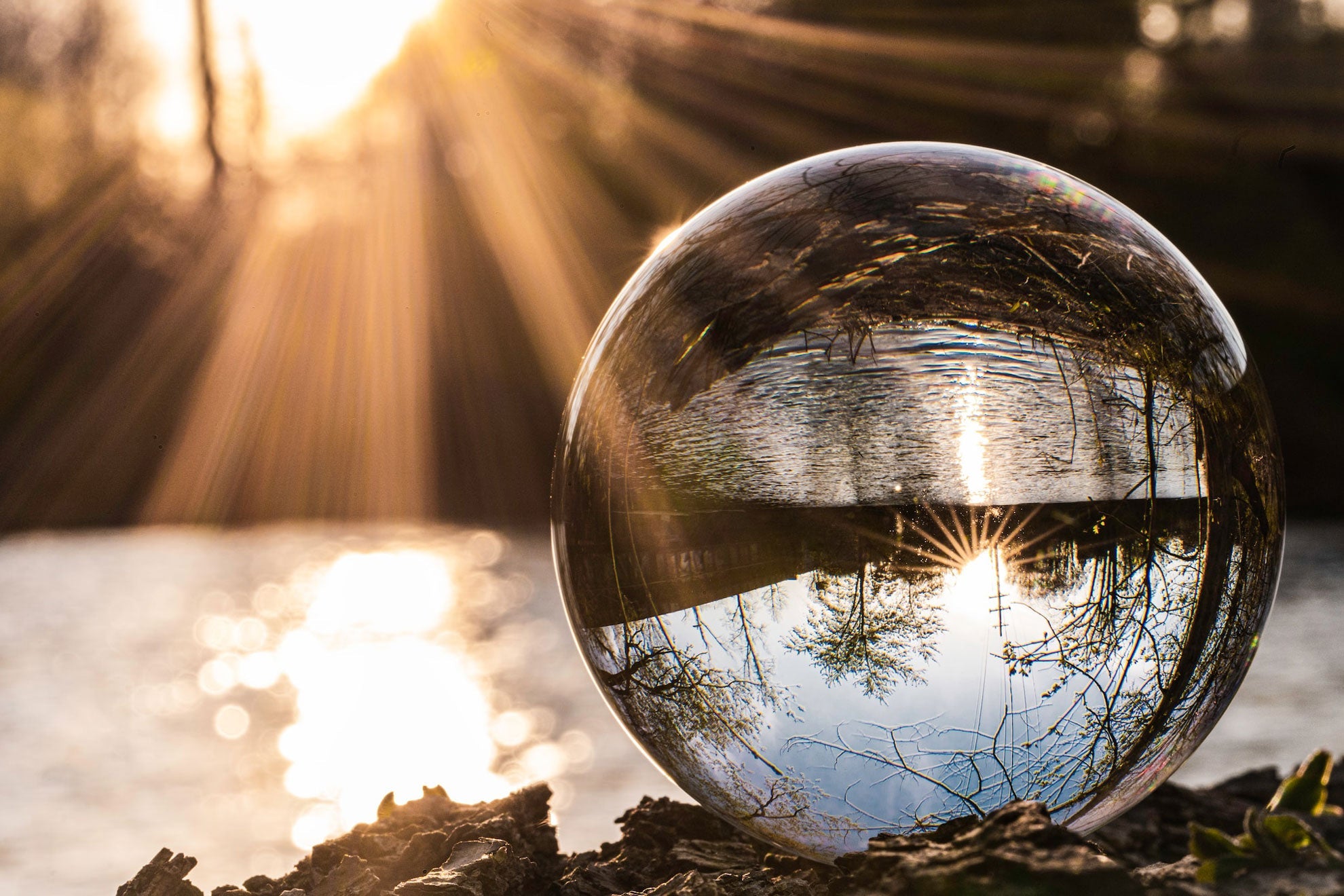
If you could pick your companion based on a crystal ball that determined your combined future together with another, would you? This crystal ball would be able to account for all your combined credentials. Would this insight take all the fun out of finding love or would you choose it for the idea of certainty?
Loving What You Do…
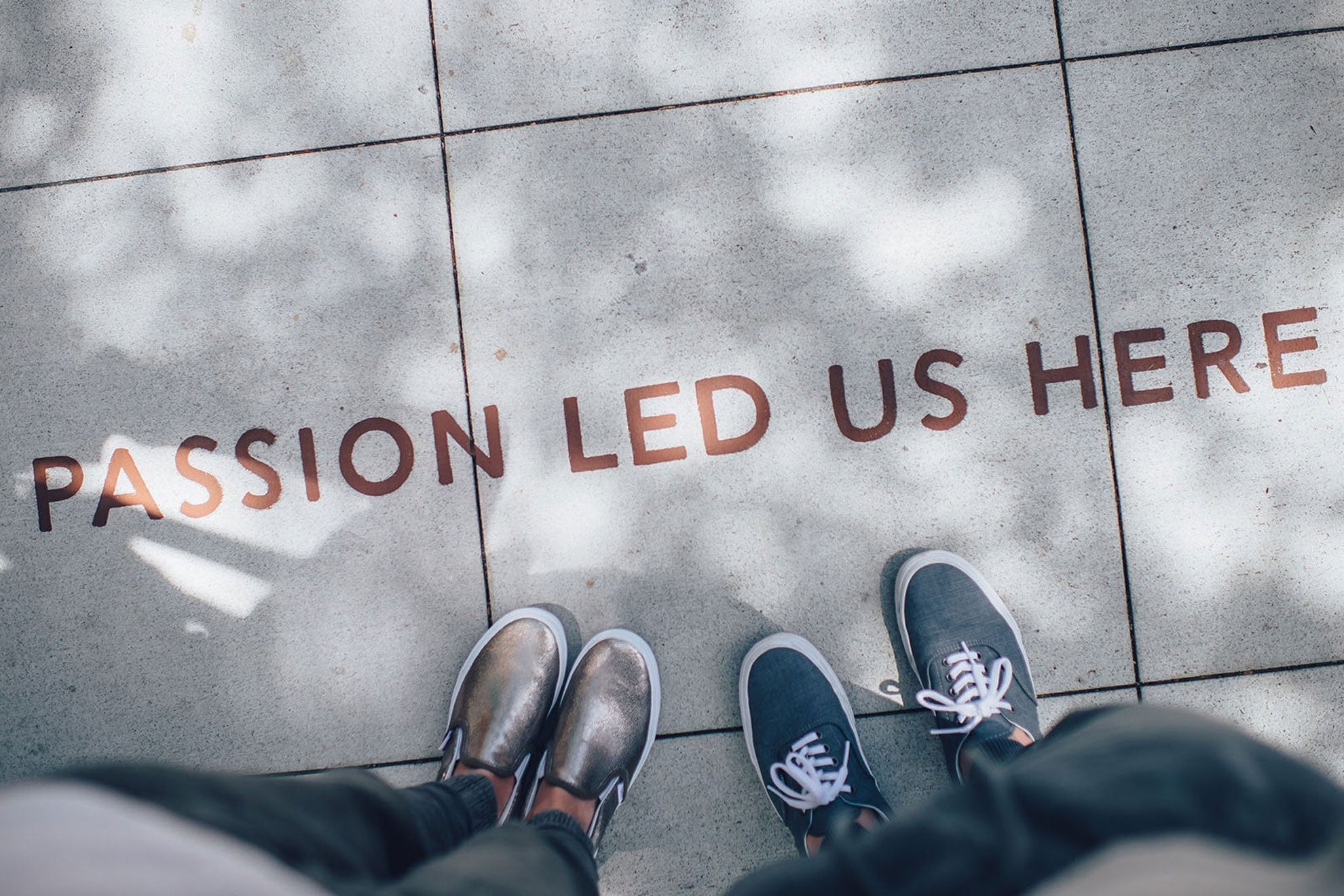
When someone says they love what they do for a living, what does that really mean? Is it that they have truly fulfilled their desires or have they simply met the expectation that they set for themselves? Expectation is a belief, a perceived, and at times a hopeful outcome. What if we lowered our expectations?