Commitment
48 articles

Signs from the Universe: How to Listen When Life Is Speaking to You
I want to tell you about two things that happened to me recently. By any objective measure, neither of them is remarkable. One involved a car. The other involved chewing gum.
More tagged “Commitment”

Meditation Myths Debunked: How to Actually Begin (Or Begin Again)
I have lost count of how many people have told me they can't meditate. Sometimes they say it with a kind of proud resignation, I've tried, I'm just not that kind of person. Sometimes, with a frustration that suggests they genuinely wanted it to work. Sometimes with a faint embarrassment, as though they've failed at something that seems to come easily to everyone else.

The Words & Contemplations Podcast: Conversations, Meditations and the Things We Wish Someone Had Said Sooner
There is a particular kind of company that a podcast can offer. You are driving somewhere, or walking somewhere, or doing the necessary but not particularly fulfilling task of existing in the world, and there are two voices in your ears. You don't know these people, not really. But you've grown fond of them in the way you grow fond of anyone who is consistently honest with you about the things that matter. We wanted to build that.
The Architecture of Awareness: Using Yoga as a Framework for Self-Study
Self-awareness is rarely accidental. It is built: slowly, deliberately and through practice. What drew me to yoga was movement. What kept me there was something far less visible: the framework it offered for understanding myself.
The Space Between the Boxes: A Journey of Unravelling and Reconnecting
What happens when the dust settles after eleven months of wandering? After living out of a single suitcase and a "long list of hell yes's" alongside an even longer list of "no’s," you eventually find yourself standing in the quiet of what used to be your life.

Sanctuaries of the Self: Finding Rhythm and Ritual on the Road
Travel has a way of unravelling us. It stretches our boundaries and expands our horizons, but in the movement, we often lose the steady pulse of our daily rituals. After eight months on the road, I’ve realised that protecting your practice isn’t about rigid adherence to a schedule; it’s about finding the spaces that help you return to yourself—the ones that feel less like a workout and more like medicine.

Removing the Habits That Keep You Stuck: Do A Habit Audit: Hard Questions, Small Changes, Big Shifts
We all have habits that serve us, and habits that don’t. The tricky part is: sometimes the ones that don’t serve are the ones we cling to because they feel familiar, safe, known. This post will guide you through an honest audit of your habits, apply research from behavioural psychology (including key ideas from Atomic Habits by James Clear) and offer a list of very practical, gradual changes you can make — changes you control, sustainable and within reach.

Lived Wellness, Beyond the Thinking Mind
Food, thoughts, emotions: these are all attachments we can become addicted to, especially the ones that reinforce our worldview. We crave confirmation, whether through accolades, achievements, or approval for our choices. But that’s all they are, choices.
Yoga: Unlocking the Inner Technology of Consciousness
We often think of technology as something external — built, coded, controlled. Yet long before the hum of machines and the glow of screens, there existed another kind of technology: one that required no devices, only awareness. Ancient yogis discovered that within each of us lies an intricate network, a system of energy, emotion, and intelligence — capable of profound transformation when we learn how to access it.

Harness Your Energy with Yoga: Devotion, Breath, and Mindful Practice
Energy moves where attention flows. Both ancient yoga and modern science tell us this truth in different languages, yet the essence remains the same: what you focus on expands.

Beyond the Past: Rewriting the Stories We Live By
There comes a time when we begin to notice that the patterns repeating in our lives are not coincidences; they are mirrors. The way we love, react, protect ourselves, and withdraw often stems from stories we didn’t consciously choose. They are scripts written by earlier versions of ourselves, shaped by our experiences, emotions, and beliefs.

Learning to Trust Through Love
We often speak of love as something we either have or don’t, something we fall into or out of. Yet few of us pause long enough to consider its deeper purpose. What if love is not the destination, but the lesson itself?
The Things I thought I needed (and what I actually found)
When I set out on what I half-jokingly called my adult gap year, I had a very clear picture of what I was chasing. I wanted adventure. Something new every day. A change of scenery. Access to incredible things for my photography.

Yoga as a Framework for Wholeness
Yoga has always been more than movement. Long before it became a practice of postures, it was described in the ancient texts as a complete framework for living with steadiness and clarity. The Yoga Sūtras of Patañjali remind us: “Yoga is the stilling of the fluctuations of the mind.” (Yoga Sūtras I.2)

Saying No Without Guilt: Gentle Practices for Self-Respect and Balance
In times past, people could retreat into caves or forests in search of clarity, stepping away from the noise until answers arrived in silence. Today, life feels far less simple. We are constantly pulled in different directions, with advice, expectations, and ideas about wellness and success coming at us from all sides. Each day presents countless small choices: what to eat, how to spend our time, who we spend it with, and even how we speak up for ourselves. Learning to say no with kindness and without guilt is not just about the big decisions; it’s about honouring these small choices, nurturing self-respect, and creating balance in everyday life.
The Multi-Dimensions of Wellness Part 2: A Gentle Guide to Living Well
Wellness is often spoken of as a set of practices or a checklist of what we should do, but in truth, it is far more subtle, far more intimate than that. It is the quiet tending to our inner landscapes, the noticing of our energy, our thoughts, our relationships, and the spaces we inhabit. In the first part of this exploration, we wandered through the many dimensions of wellness—physical, emotional, social, spiritual, and beyond. In this continuation, we move from awareness into gentle application. How do we invite these dimensions to speak to us in our everyday lives? How do we bring wellness into the rhythms of our days without it feeling like another task to complete?
Yoga as Life’s Lens: Reflections on Autobiography of a Yogi
Paramahansa Yogananda’s Autobiography of a Yogi is more than a spiritual memoir; it’s an invitation to see life through the lens of the soul. In his telling, the extraordinary becomes accessible, not as far-off miracles but as a way of living rooted in self-awareness, discipline, and love.

20 Reflections from The Surrender Experiment by Michael A. Singer
I read The Surrender Experiment just days after walking away from my corporate job, twelve months into the unknown. No guarantees, no structured plan. Just a quiet knowing that something had shifted.

20 Moments from The Untethered Soul by Michael A. Singer
A journey inward to awareness, stillness and freedom. Some books arrive like whispers. Others arrive as gifts. For me, The Untethered Soul was both.

Self-Love Isn’t What You Think: It’s an Inner Homecoming
There’s a common belief in the wellness world that everything begins with self-love. But I’ve come to learn that it’s not always true. You don’t need to force love upon yourself, or convince yourself that you are worthy, or even forgive yourself first to love yourself. And while an at-home facial or a scented candle might offer a moment of stillness, they aren’t the same as true self-love. I’m talking about the kind of quiet recognition that lives deep within you, the inner knowing that you are already loved, already whole.

How You Can Build a Nervous System-Supportive Routine
A personal guide to tuning in, slowing down, and finding your way back to yourself. There’s no one-size-fits-all when it comes to nervous system support.It’s not about following a strict wellness checklist or chasing perfection — it’s about tuning into your own rhythms, your own seasons, and your own signals.

Packing Wellness: A Conscious Approach to the Way We Travel
There’s a certain beauty in packing not just clothes or chargers, but your rituals. A yoga mat, a journal, snacks that feel good, shoes that let you walk for miles — these are tools that shift travel from hectic to healing.
Rituals in Motion: How to Make Wellness a Habit, Anywhere
Wellness doesn’t begin and end in your home or at the studio or gym you belong to. It can be a mindset you can carry, a ritual you can roll out wherever you land. From morning breathwork on a balcony to journaling beside a window in a new city, the rituals that sustain you can become part of the way you travel, work, and live.
Yoga as Remembering
When I look at the modern world of yoga, I see familiar patterns: the yoga studio, the teacher, the aspirational "yoga body." Much of the messaging circles around self-improvement. But the deeper message, the one that stayed with me through all my trainings, is that yoga isn’t about becoming someone new. It’s about remembering who you've always been.

What I Didn’t Do in Bali This Time
Or, what happened when I threw out the itinerary and finally listened to that quiet inner voice. This isn’t an anti-blog. It’s not a rebellion against to-do lists, or a rejection of all the amazing things Bali has to offer. It’s simply an invitation to do things your own way.
Journaling Prompts: Redefining Value & Worth
Without any expectations, write the answers to these questions. Write freely and as if you are talking to yourself, someone safe and silent. See what comes up with out judgment, but curiosity see where these questions take you.

Leaving Again, This Time It’s Different
We left Bali today after two wonderful months of getting to know ourselves again. That might sound odd, but when you’ve lived in survival mode for so long, it’s impossible to know who you are beneath the armour—armour that’s protected you from chaos, but also from truth. Truth like: you were ticking boxes, going through motions, cohabiting with someone who was quietly slipping into sadness. And truthfully, the silence about that sadness made it hard to distinguish what was "normal" from what was drowning.

What Do You Truly Value?
This is a gentle invitation to explore worth beyond work and wealth, going deeper into what it means without the cultural lens that you sit behind, the one determined by your place in the world, physically, metaphorically, familiarity, etc.

Learning to Sit With Yourself (and Everyone Else Too)
Regulating our emotions is a journey. You might be someone who feels deeply. Who notices the shift in the room when someone else enters. Who picks up on unspoken tensions, unmet needs, and unsaid apologies. You might be empathetic, curious, creative—and sometimes, exhausted. You may have learned to manage your emotions with a certain grace, yet still find yourself undone by the sudden sharpness of disappointment or frustration.

Outgrowing the Hands That Once Held Us: Letting Go, Growing Stronger, and Knowing Your Worth
Friendships are supposed to uplift, support, and encourage us to grow. But sometimes, what we believe to be friendship is something else entirely—manipulation disguised as loyalty, control masked as care. True friends want to see you thrive, even if that means watching you walk away into something better. But not everyone in our lives fits that definition.

Ubud Unraveled: A Journey of Yoga, Stillness, and Self-Discovery
I have been in Ubud for three weeks now, and thanks to an extended visa, we get to stay for another 30 days. It might seem unusual to settle in one place during a gap year, but in many ways, it feels like we’ve moved here—at least temporarily—to rest and recalibrate. This gap year is not just a break from work but a departure from the world I used to inhabit. The transitions between countries won’t be rushed; moving every week would be unsustainable. Instead, we are easing into a rhythm, embracing a slower, more intentional way of being.
Yoga Transformation: The Student, The Teacher And The Integration Of The Teachings
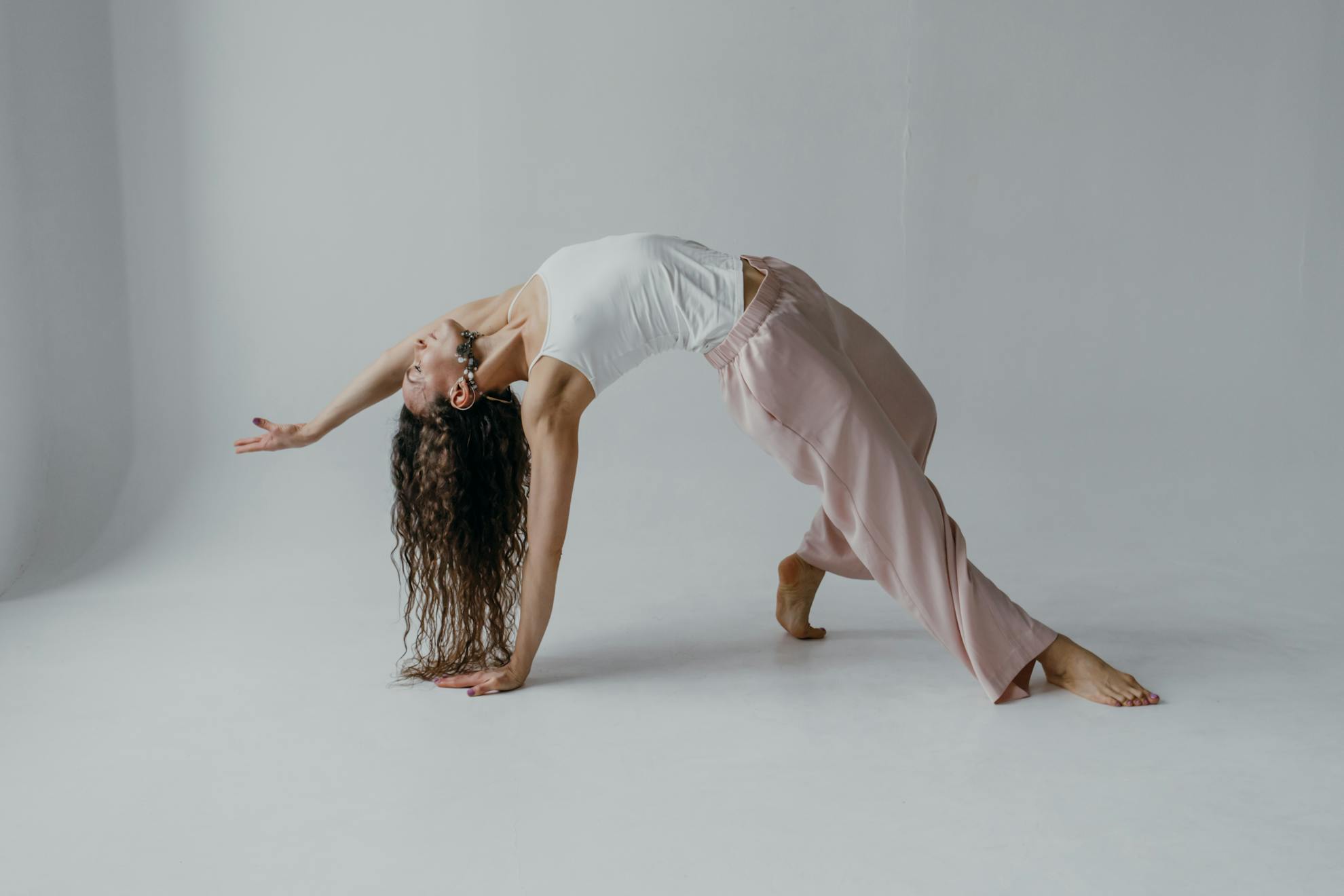
The road to transformation is rarely linear. It twists and turns, revealing lessons we didn’t anticipate and demanding patience we didn’t know we needed. For those of you who have followed my journey, you know that my world shifted dramatically in 2022. That year cracked me open, forcing me to look at life from a new perspective—one that led me deeper into the practice of yoga.

New Years Resolutions Or Renewed Ways Of Thinking About Things
Three years ago, when our blogs were hosted someplace else, I wrote: Finding The Right Vocabulary To Make Your New Years Resolutions Attainable. It was a time when we were all in different places; many of us had no freedom, very little in the world of choices, and we were all a little gloomy. This year, ending 2024, feels hopeful, empowered and freer.
Meditation, The 10 Benefits Found In Less Than A Month
I’ve reached the halfway point in my Meditation & Mindfulness Teacher Training and it’s been profoundly eye-opening. I have been meditating consistently for 24 days, although in a lifetime, it's not even a millisecond, the impact has been vast.
Is It Timing, Trust, or Divine Intervention? Navigating the Unknown
This last month marks the halfway point of my accidental transformation year, 2024 has been a wonderful journey filled with unexpected and incredible opportunities. Look for the signs, lean into the opportunities, and jump in. If you have ever heard these phrases, but dismissed them I urge you to look again.
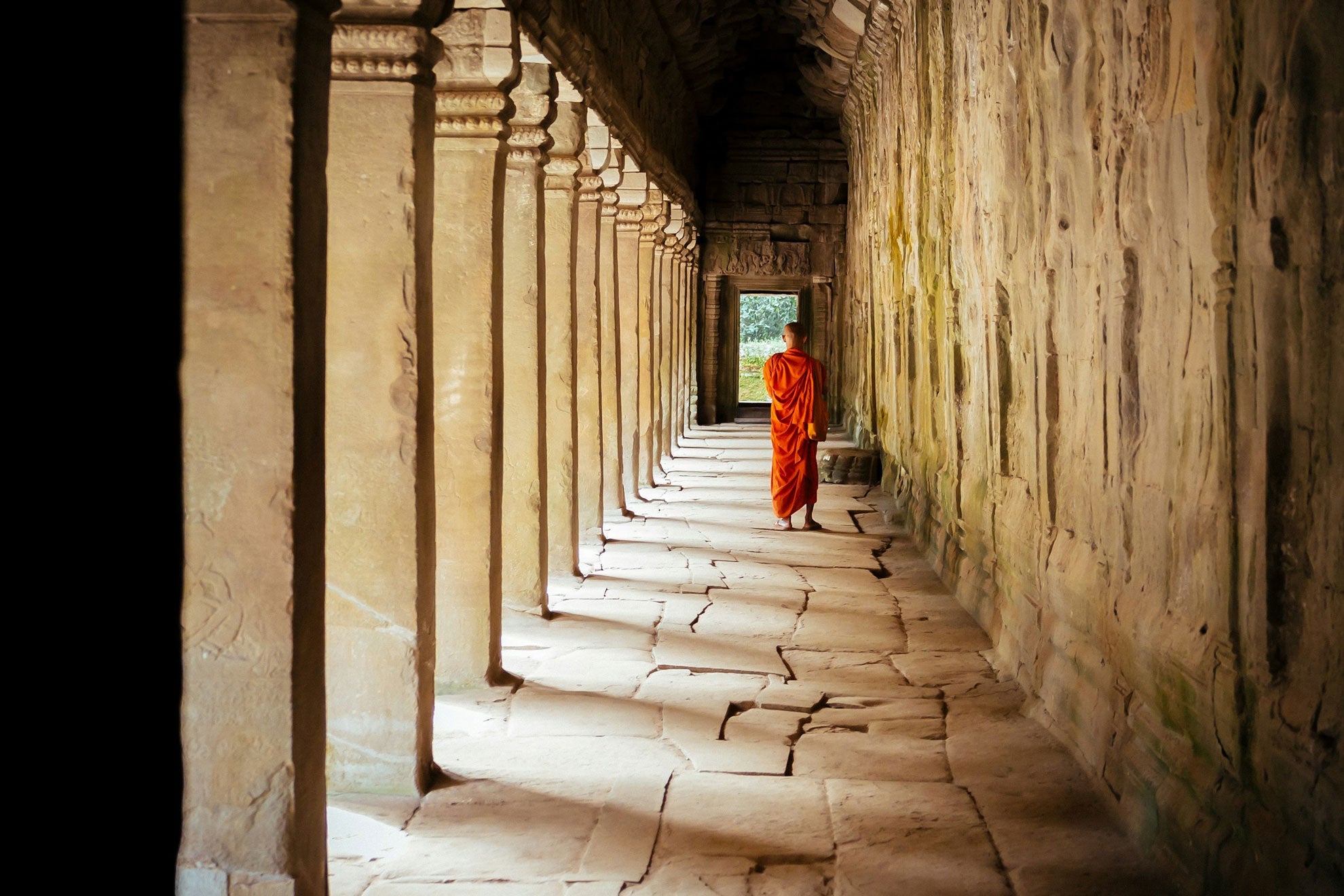
20 Moments From 'I May Be Wrong' by Bjorn Natthiko Lindeblad
This book was one of the recommended readings before my Meditation & Mindfulness teacher training which starts late June 24. Not often does a book transport you to a quiet place of contemplation, while showing you how to cry and smile from the heart as the words touch your soul and your understanding of stillness emerges. An easy-to-read deep dive into the powers of the mind, the clutter of the thoughts and the truth that none of your thoughts matter. We are not our thoughts and we can choose to live more lightly.
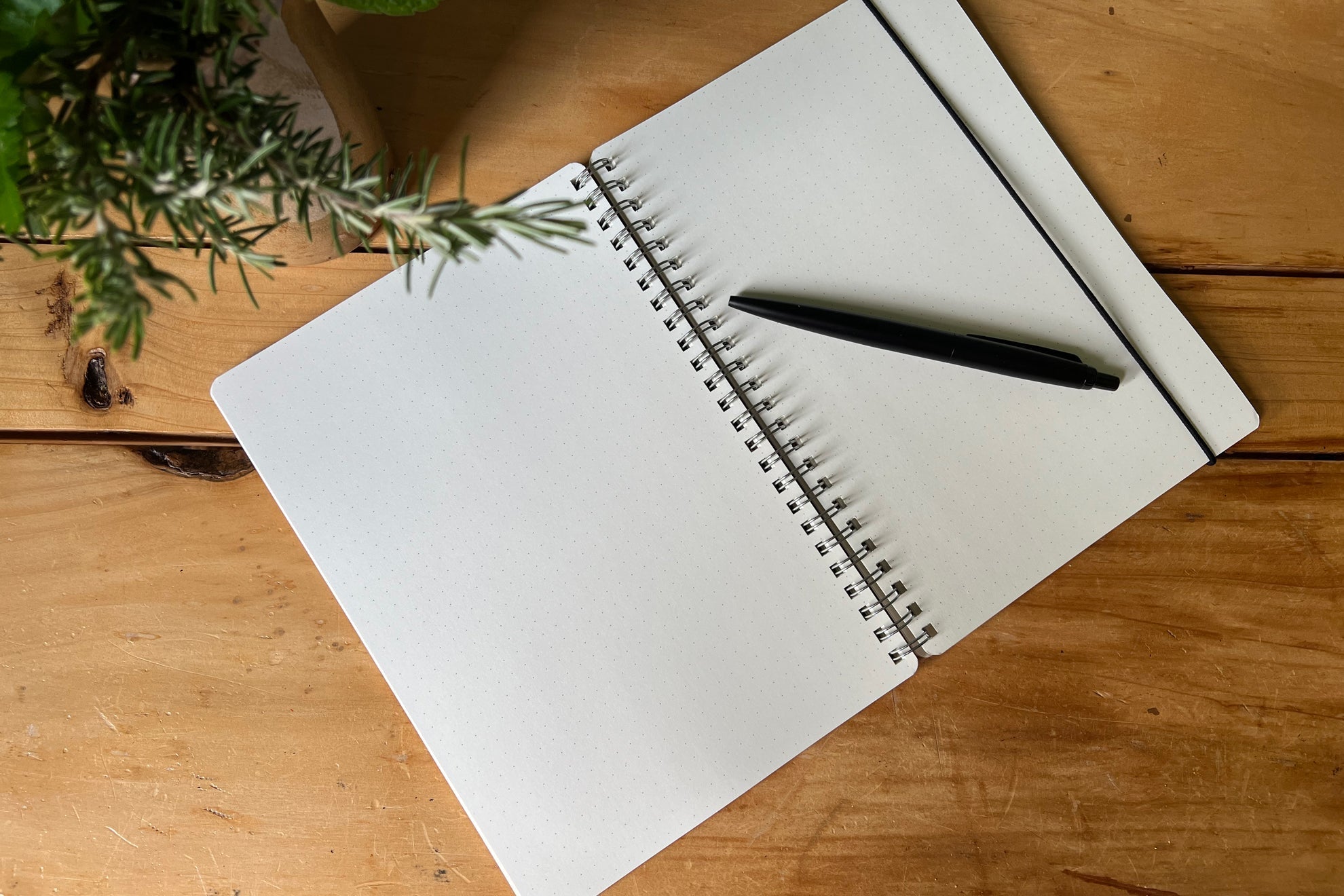
The Power of Journaling
Writing regularly is something that is said to free the mind, to process one's thoughts, to download the noise. For some, it is a collection of thoughts that were, in the moment of writing important. For others, it's a way of making sense of the hundreds of thoughts we carry every day.
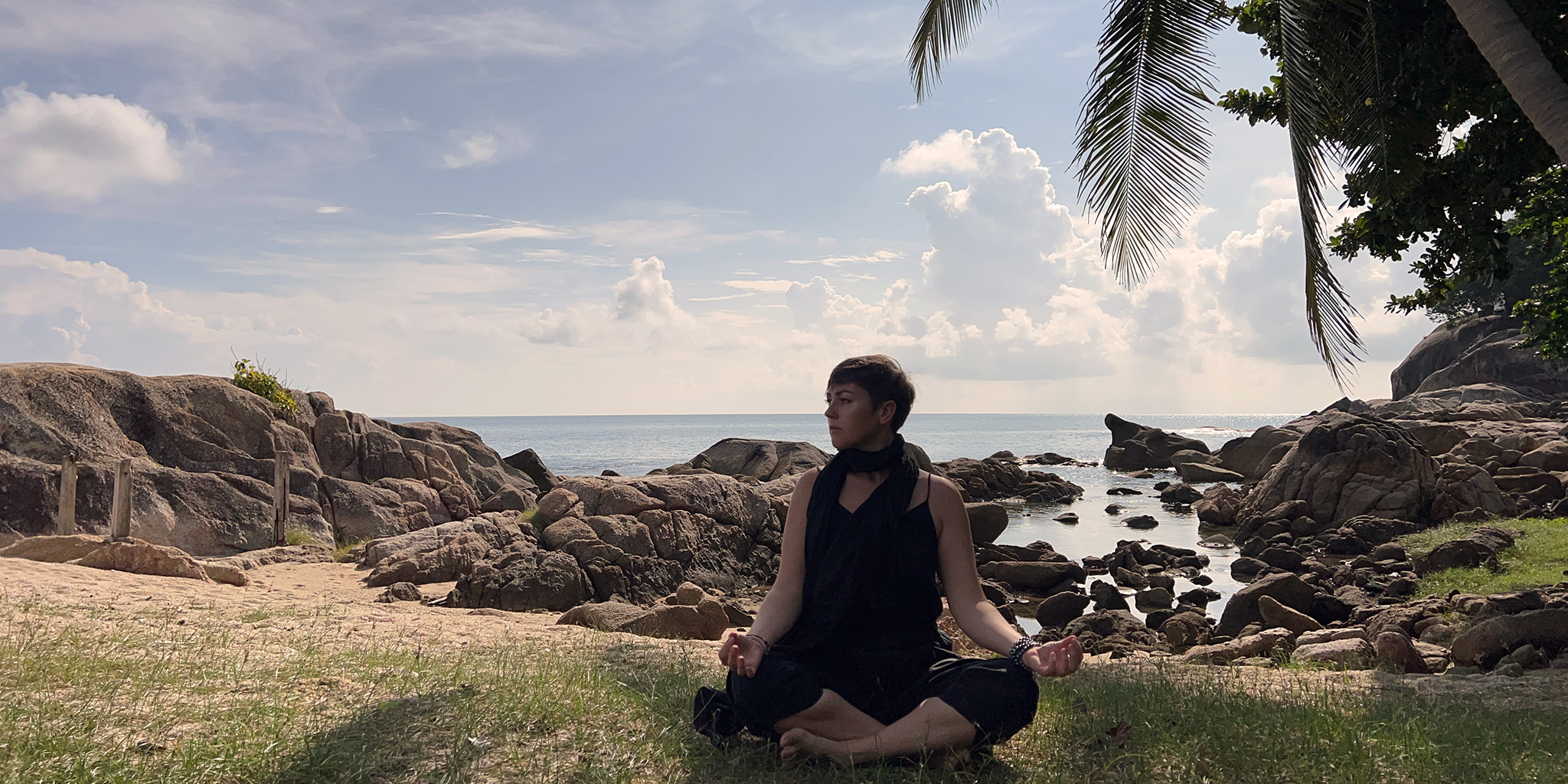
10 Meditation Myths
Learning to be still can be hard and like with other self-care practices it can take time. The Meditation we seem to be exposed to is either moments of quiet or long stretches of meditative peace, monk style. As a practising mediator, I believe that there is a special place in between. Beyond the 3-7 min Savasana that we get in the closing of a yoga class and long before we are sitting on a mountain in Tibet for several hours. The body can learn to pause and the mind will follow.
Sensitivity and Introversion - Susan Cain's book Quiet
The overarching message that I got from this book was that you can unleash the power in the quiet and learn to be more of yourself in the not-so-quiet. Social and other so-called extroverted activities are learnable skills that can be scaled gradually so all introverts can enjoy both the solace and the social, in a setting and environment that nurtures them. It’s ok to be the person looking for the most interesting conversation in the room,
3 Reasons Why You Should Have a Spiritual Practice
Daily practice has been a feature for me over the last 5 years. Over that time it has morphed (just like everything in the last 5 years), depending on what I need at the time and my intention for practice. It is my one non-negotiable, I will move heaven and earth to make sure I have time to sit, connect and be.
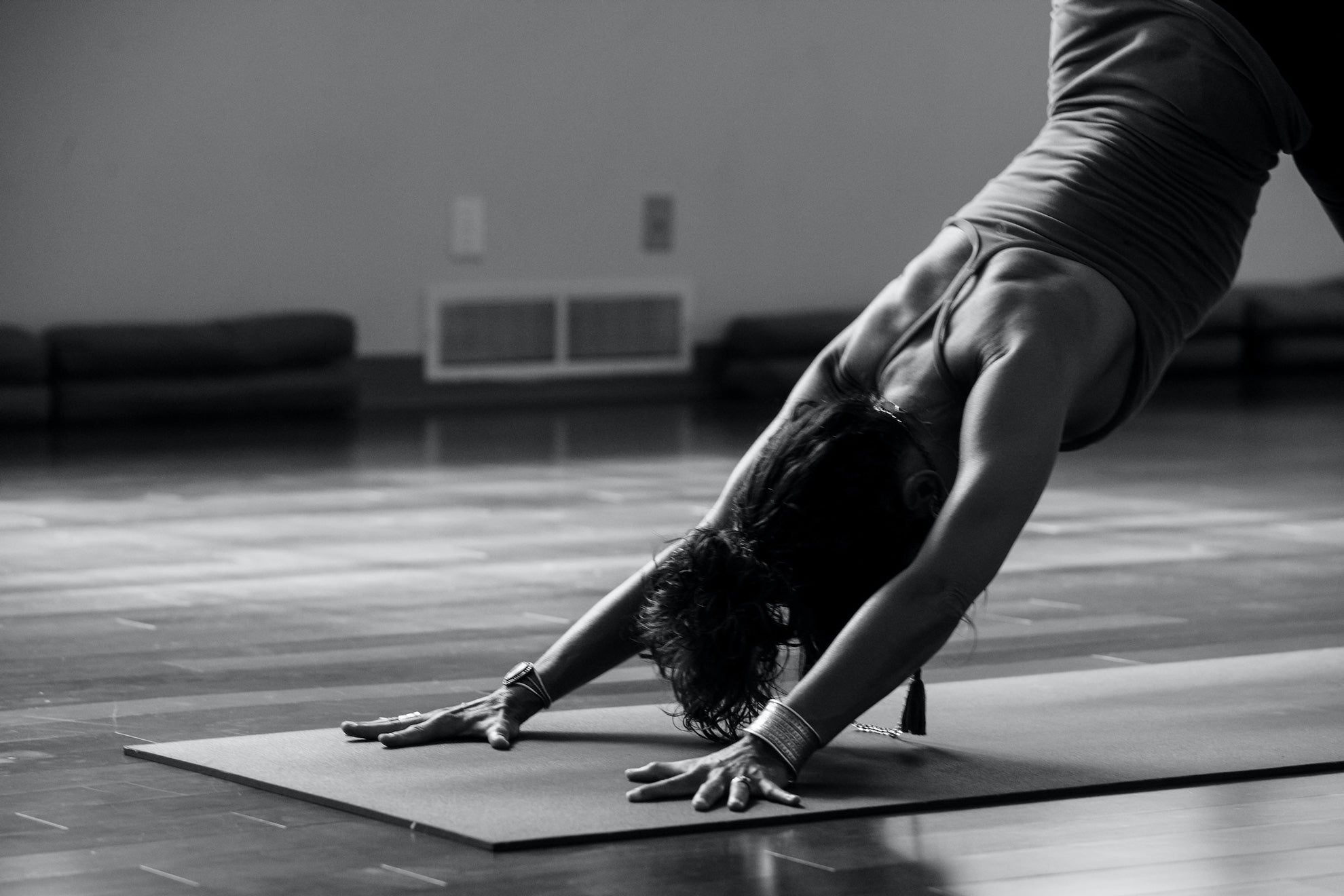
Yoga, The Long & Short Of It
The benefits are out there, if you have ever followed someone who does Yoga on instagram you can see their slimline strong body move through poses with elegance and poise. I’m here to share the process. (just in case like me you don’t look like them.) Why it should be hard and the benefit after the undiscussed strength building on and off the mat. Anything is possible in that body of yours but time and practice are built into yoga and that is the transformative nature of it.
Love, it's When
It’s when you truly want good things for someone other than yourself,It’s when you offer your time, unconditionally,It's when you buy something they would never buy for them self - just because.

Embrace All The Facets Of You, Even When They Conflict
I was recently reminded of some advice I heard many times as a child, but on this recent occasion, it was used as an example of bad advice. ‘Pick one thing.’ I wonder how many times this phrase, suggesting that we select one area of interest and commit to it is used. This, when used with children, in theory, gets us to mastery of a skill as we reach adulthood.

A Gentle Pause: On Temporary or Lasting Sobriety
Today marks an accidental 6-month dry period. I say accidental as this time it wasn’t off the back of anything in particular. It just happened. Like many others I have done dry July and even been dry for 18 months once before. (Sounds silly now) This time feels different, it's motivated by a choice of putting myself first.
Finding The Right Vocabulary To Make Your New Years Resolutions Attainable
Away with friends this year instead of the time old classic of going for drinks and dinner, watching the fireworks or any other habitual example you can think of. It’s not that I am above all of it this year, it’s just that I’m not sure what I would be celebrating, another year - with restrictive freedoms still likely being something we coexist with, it’s different somehow.
Your Desired Change, Your Responsibility
It was Einstein that said, “The definition of insanity is doing the same thing over and over again, but expecting different results.” I think we all tend to do this in some capacity. We wait for a change to happen, hoping someone or something will rescue us. We can seem powerless to take responsibility.

You’re Already Helping: Finding Peace in Imperfect Climate Action
Wellness begins with how we treat ourselves — not just on the good days, but especially when the world feels overwhelming. Right now, the news is heavy: a global pandemic, wildfires across continents, and an ever-growing sense of ecological urgency. It’s a lot to carry. And while fear is a valid emotional response, it doesn’t have to be where we stay.

Choosing Your Who...
If you could pick your companion based on a crystal ball that determined your combined future together with another, would you? This crystal ball would be able to account for all your combined credentials. Would this insight take all the fun out of finding love or would you choose it for the idea of certainty?