breathwork
47 articles
How Yoga Found Me (and why I think it might be looking for you too)
Ten years ago, yoga found its way into my life not through intention, but through desperation and what followed was a journey I never could have predicted. If you've ever tried yoga once and quietly given up, this one is for you.
More tagged “breathwork”
What 80 hours of pranayama training actually changes in your body
I've been fascinated with breath since I read James Nestor's book, but I was hungry for more depth than the weekend breath courses I'd seen on offer. I wanted something that could overlay my yoga teaching and meditation with ease, a training I could live inside rather than visit.
Box Breathing or Samavritti: How to Practice It and Evolve Your Technique Over Time
Discover the ancient art of box breathing, a deceptively simple practice rooted in yogic tradition that can calm your nervous system, sharpen your focus, and transform the way you move through stress. Whether you are a complete beginner or a seasoned practitioner, this guide will show you exactly how to begin and how to grow with it over time.
Meditation Myths Debunked: How to Actually Begin (Or Begin Again)
I have lost count of how many people have told me they can't meditate. Sometimes they say it with a kind of proud resignation, I've tried, I'm just not that kind of person. Sometimes, with a frustration that suggests they genuinely wanted it to work. Sometimes with a faint embarrassment, as though they've failed at something that seems to come easily to everyone else.
The Architecture of Awareness: Using Yoga as a Framework for Self-Study
Self-awareness is rarely accidental. It is built: slowly, deliberately and through practice. What drew me to yoga was movement. What kept me there was something far less visible: the framework it offered for understanding myself.
A Softer Way to Begin: Introducing the Words & Contemplations Podcast
Words & Contemplations starts her podcast journey, bringing you blogs in audio format as well as meditations, gentle practices and talks. Come along for the journey; we'd love to have you tune in.
10 Mindful Practices for the Unravelling Soul (On the Go)
When we left our work/life roles, I thought the hardest part would be the logistics. I quickly learned that the true challenge is the unravelling of the "doing" mind. Here are ten practices I’ve gathered from the road that you can do anywhere.

The Yogic Path of Remembering: Seeing Beyond Samskaras and Old Narratives
There are moments in life when you realise that what you are reacting to is not the situation in front of you, but the echo of something much older.A familiar sting.A tightening in the chest.A story your body remembers even if your mind has forgotten its origin.
Yoga: Unlocking the Inner Technology of Consciousness
We often think of technology as something external — built, coded, controlled. Yet long before the hum of machines and the glow of screens, there existed another kind of technology: one that required no devices, only awareness. Ancient yogis discovered that within each of us lies an intricate network, a system of energy, emotion, and intelligence — capable of profound transformation when we learn how to access it.

Beyond the Past: Rewriting the Stories We Live By
There comes a time when we begin to notice that the patterns repeating in our lives are not coincidences; they are mirrors. The way we love, react, protect ourselves, and withdraw often stems from stories we didn’t consciously choose. They are scripts written by earlier versions of ourselves, shaped by our experiences, emotions, and beliefs.
The Things I thought I needed (and what I actually found)
When I set out on what I half-jokingly called my adult gap year, I had a very clear picture of what I was chasing. I wanted adventure. Something new every day. A change of scenery. Access to incredible things for my photography.
Yoga as a Framework for Wholeness
Yoga has always been more than movement. Long before it became a practice of postures, it was described in the ancient texts as a complete framework for living with steadiness and clarity. The Yoga Sūtras of Patañjali remind us: “Yoga is the stilling of the fluctuations of the mind.” (Yoga Sūtras I.2)
Everyday Moments That Are Yoga (Without You Realising)
Yoga is often thought of as postures on a mat or quiet studio time. Yet the ancient texts describe it far more broadly, as a framework for cultivating steadiness, awareness, and presence in every aspect of life. The Yoga Sūtras tell us:
Transformation: What It Is and Why Yoga Retreats Promise It
Transformation is a word we see everywhere these days, especially on retreats. But what does it really mean? And why are so many retreats offering it as part of their experience?
The Multi-Dimensions of Wellness Part 2: A Gentle Guide to Living Well
Wellness is often spoken of as a set of practices or a checklist of what we should do, but in truth, it is far more subtle, far more intimate than that. It is the quiet tending to our inner landscapes, the noticing of our energy, our thoughts, our relationships, and the spaces we inhabit. In the first part of this exploration, we wandered through the many dimensions of wellness—physical, emotional, social, spiritual, and beyond. In this continuation, we move from awareness into gentle application. How do we invite these dimensions to speak to us in our everyday lives? How do we bring wellness into the rhythms of our days without it feeling like another task to complete?

On Retreat with Your Yoga Teacher: A Journey Back to Yourself
I have been practising yoga for about eight years and teaching for the past eighteen months. When I finally felt it was my time to guide others along the yogic journey, I also knew that my own practice was far from finished. My curiosity and hunger for growth led me to immerse myself in three Moksha Yoga Teacher Trainings. After completing my 200-hour training in Bali in January 2024, I continued with a 110-hour Meditation Teacher training, and then dove into Yin and Sound Medicine simultaneously.
20 Moments from The Untethered Soul by Michael A. Singer
A journey inward to awareness, stillness and freedom. Some books arrive like whispers. Others arrive as gifts. For me, The Untethered Soul was both.
Wellness Beyond the Surface: Living the 8 Limbs of Yoga in Daily Life
In the modern wellness world, the surface often appears to be a glow: luminous skin, green smoothies, gym schedules, lymphatic drainage, and cold plunges. And while all of these can support well-being, they don’t touch the deeper layers of what it means to be well.

Self-Love Isn’t What You Think: It’s an Inner Homecoming
There’s a common belief in the wellness world that everything begins with self-love. But I’ve come to learn that it’s not always true. You don’t need to force love upon yourself, or convince yourself that you are worthy, or even forgive yourself first to love yourself. And while an at-home facial or a scented candle might offer a moment of stillness, they aren’t the same as true self-love. I’m talking about the kind of quiet recognition that lives deep within you, the inner knowing that you are already loved, already whole.

How You Can Build a Nervous System-Supportive Routine
A personal guide to tuning in, slowing down, and finding your way back to yourself. There’s no one-size-fits-all when it comes to nervous system support.It’s not about following a strict wellness checklist or chasing perfection — it’s about tuning into your own rhythms, your own seasons, and your own signals.
Returning to Ourselves: The Tiny Shifts That Make Us Human, The Unexpected Joy of a Stuck Song
Something remarkable happened to me the other day. It won’t sound impressive to you, but I found it profoundly telling about my current mental capacity compared to where I was a few months ago. I got a song stuck in my head. I know it sounds so basic, but I do not remember the last time something as pedestrian as this happened to me. My mind is used to running about 100 mph with so many pointless things: the self-narration, the criticisms, the to-do list, the judging, the what-ifs, the wondering what was meant by something someone said. It’s all just noise. None of it matters. Not really.
A New Era of Travel: Where Wellness, Luxury, and Digital Influence Intertwine
There was a time when wellness travel felt like a luxury reserved for the few. A distant dream of remote retreats, all-inclusive spas, and Instagrammable jungle sanctuaries. But something has shifted. Wellness is no longer a destination; it’s a way of travelling, of seeing, of being. And now, it’s becoming more accessible, more intentional, and more beautifully human.
Packing Wellness: A Conscious Approach to the Way We Travel
There’s a certain beauty in packing not just clothes or chargers, but your rituals. A yoga mat, a journal, snacks that feel good, shoes that let you walk for miles — these are tools that shift travel from hectic to healing.
Rituals in Motion: How to Make Wellness a Habit, Anywhere
Wellness doesn’t begin and end in your home or at the studio or gym you belong to. It can be a mindset you can carry, a ritual you can roll out wherever you land. From morning breathwork on a balcony to journaling beside a window in a new city, the rituals that sustain you can become part of the way you travel, work, and live.
Yoga as Remembering
When I look at the modern world of yoga, I see familiar patterns: the yoga studio, the teacher, the aspirational "yoga body." Much of the messaging circles around self-improvement. But the deeper message, the one that stayed with me through all my trainings, is that yoga isn’t about becoming someone new. It’s about remembering who you've always been.
What I Didn’t Do in Bali This Time
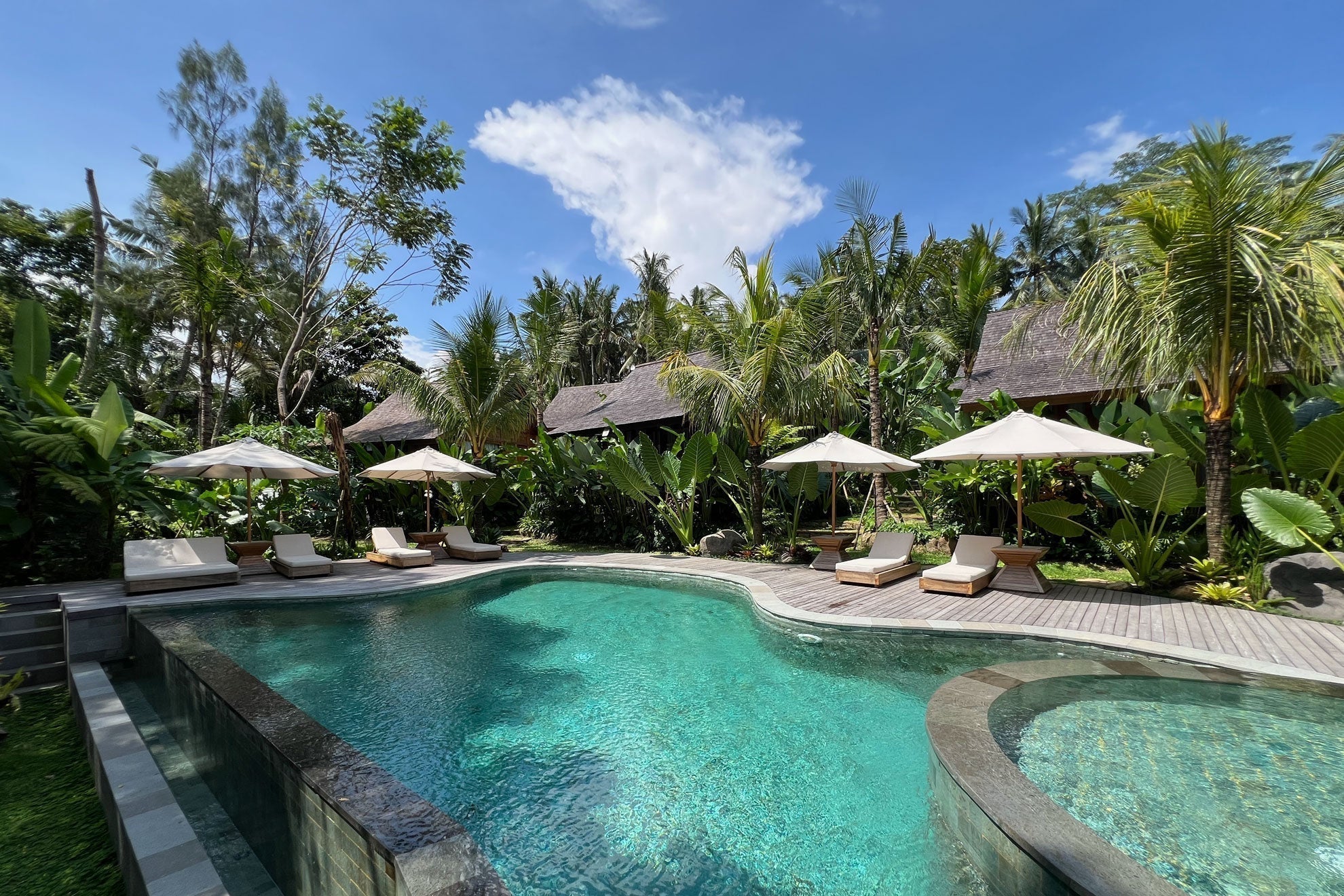
Or, what happened when I threw out the itinerary and finally listened to that quiet inner voice. This isn’t an anti-blog. It’s not a rebellion against to-do lists, or a rejection of all the amazing things Bali has to offer. It’s simply an invitation to do things your own way.
Undiscovered Bali: A Feeling Found Through Slow Travel
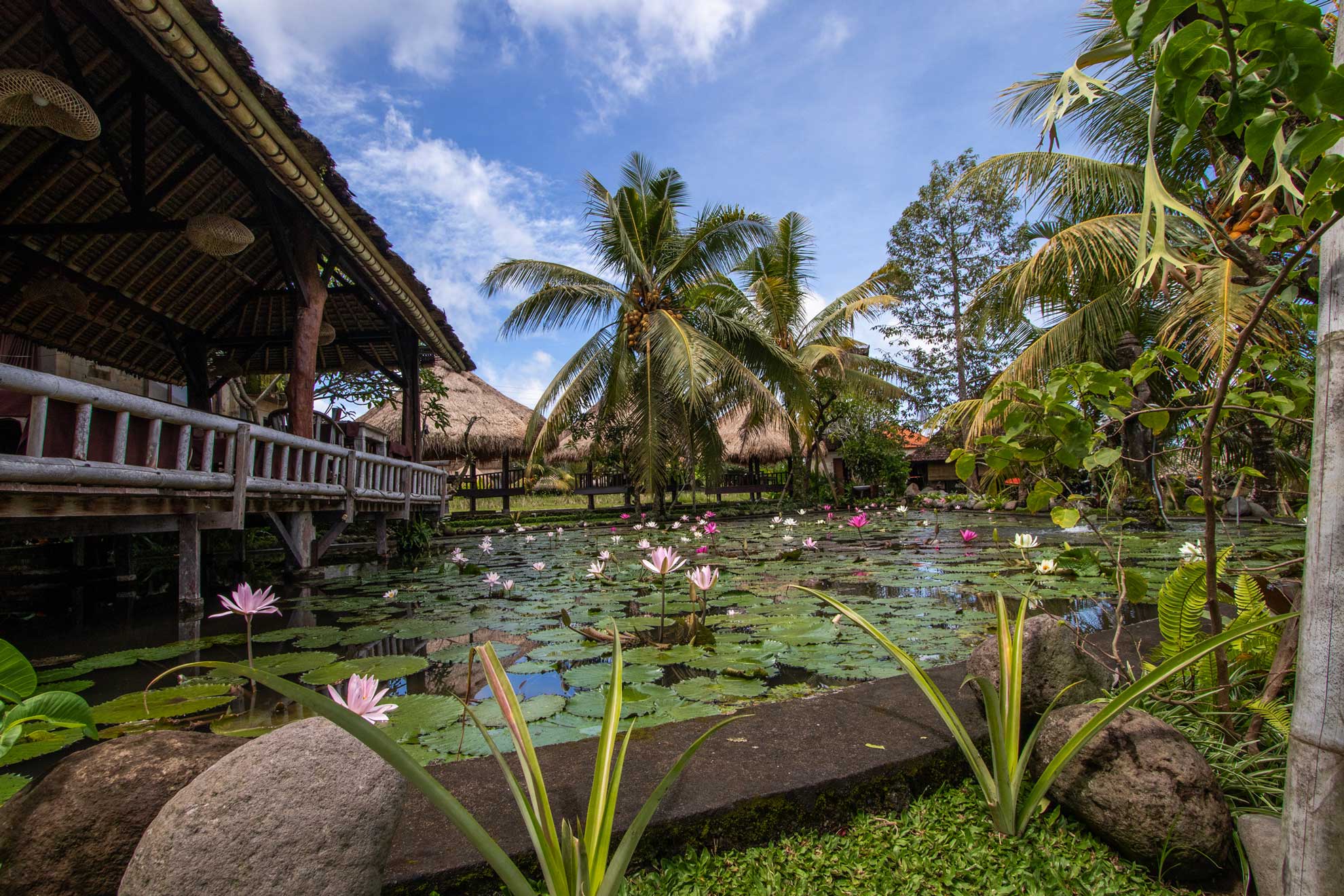
Why Slow Travel in Bali Changed Everything. After the privilege of visiting Bali five times, I’ve realised we no longer need to chase the tourist trail. We’ve already ticked off the temples, the beaches, the day trips. So this time, we chose to stay still. We let Bali show us something else entirely: a slower rhythm, a different kind of magic.
Ecstatic Dance: A Homecoming to the Body
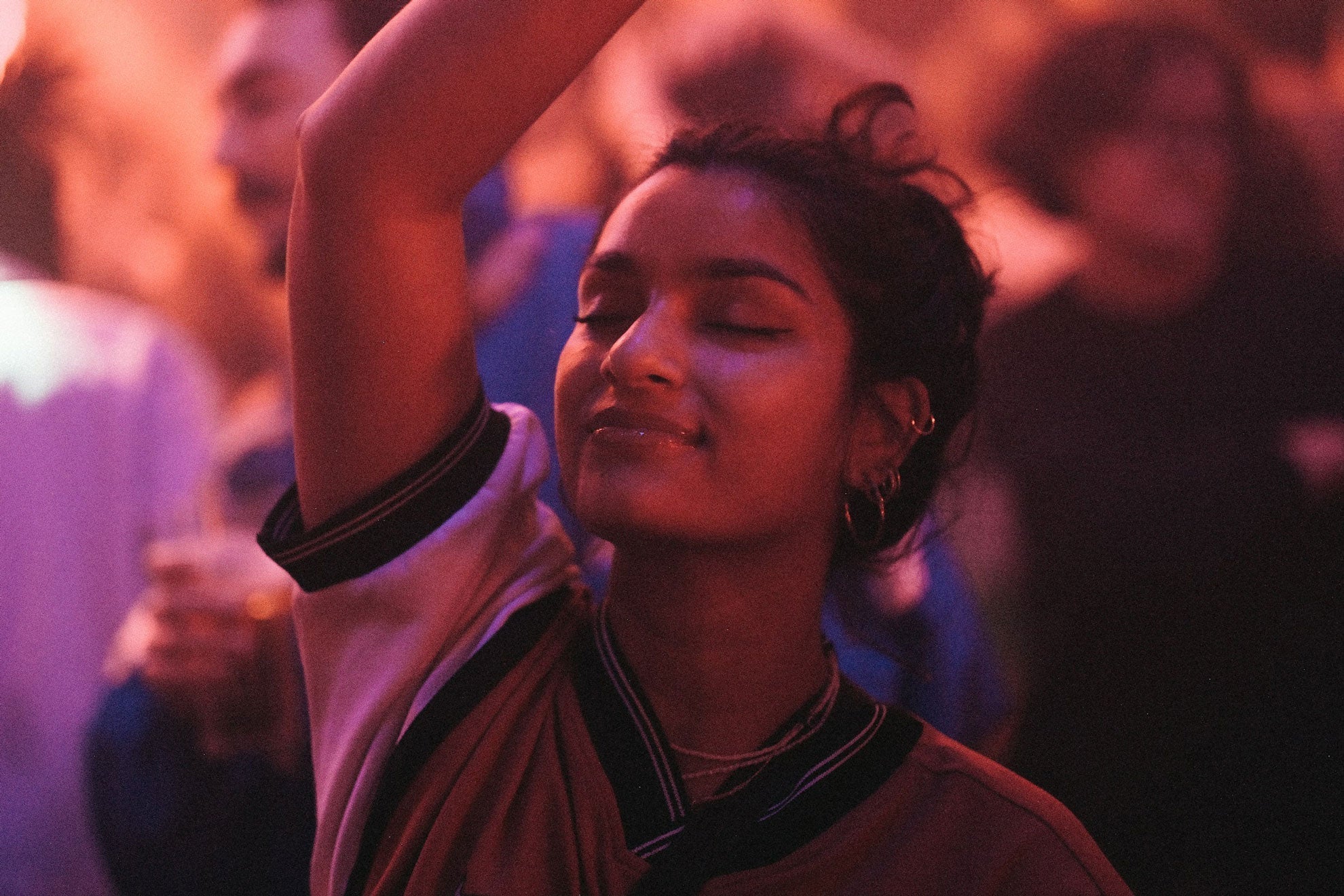
While in Ubud, I’ve been trying to open myself to everything this place offers. There’s a current of possibility here, pulsing quietly beneath the surface. After experiencing the depths of sound healing—something I’ve done before and always found moving—I felt curious to take it one step further.
19 Free Ways to Feel More Connected to Yourself
In a world that constantly demands our attention—from deadlines and devices to the never-ending to-do lists—it’s easy to drift away from ourselves. But coming home to yourself doesn’t require a retreat or a spa day. (Although you should do these things too.) Sometimes, it doesn’t need to cost anything. Sometimes, it’s about the smallest gestures—things we can do right now, wherever we are, to re-centre, ground, and feel more us again.
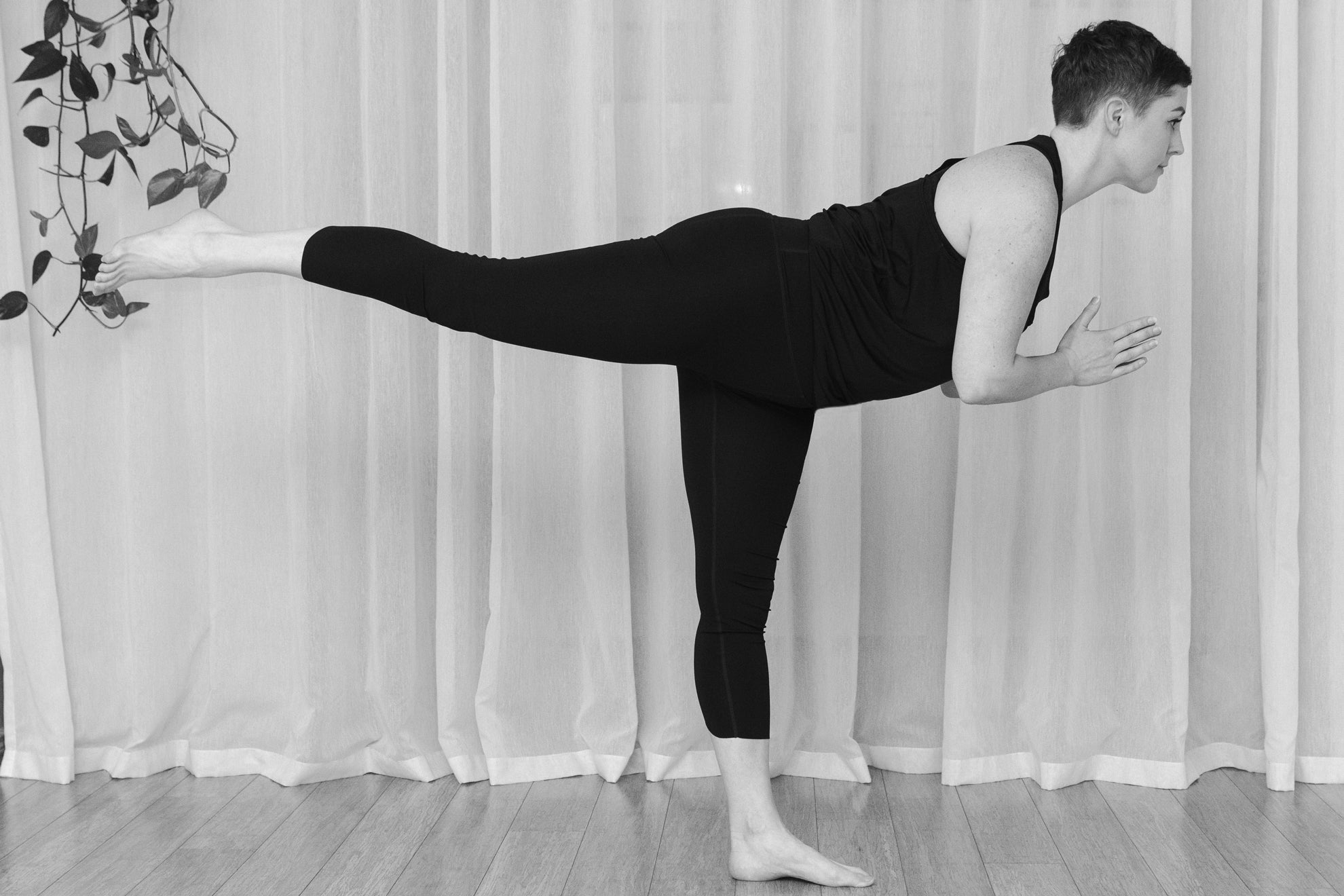
From Burnout to Balance: How Yoga and Meditation Help You Reconnect with Yourself
I’m sitting in a café in Ubud, Bali, thinking about where we’ll go next. But then it hits me—we’re not traveling in the conventional sense. My husband, my partner in adventure, is working much like before, just with a changing backdrop and longer breaks. And me? I’m building something of my own that weaves all my passions: writing, photography, yoga, and meditation.
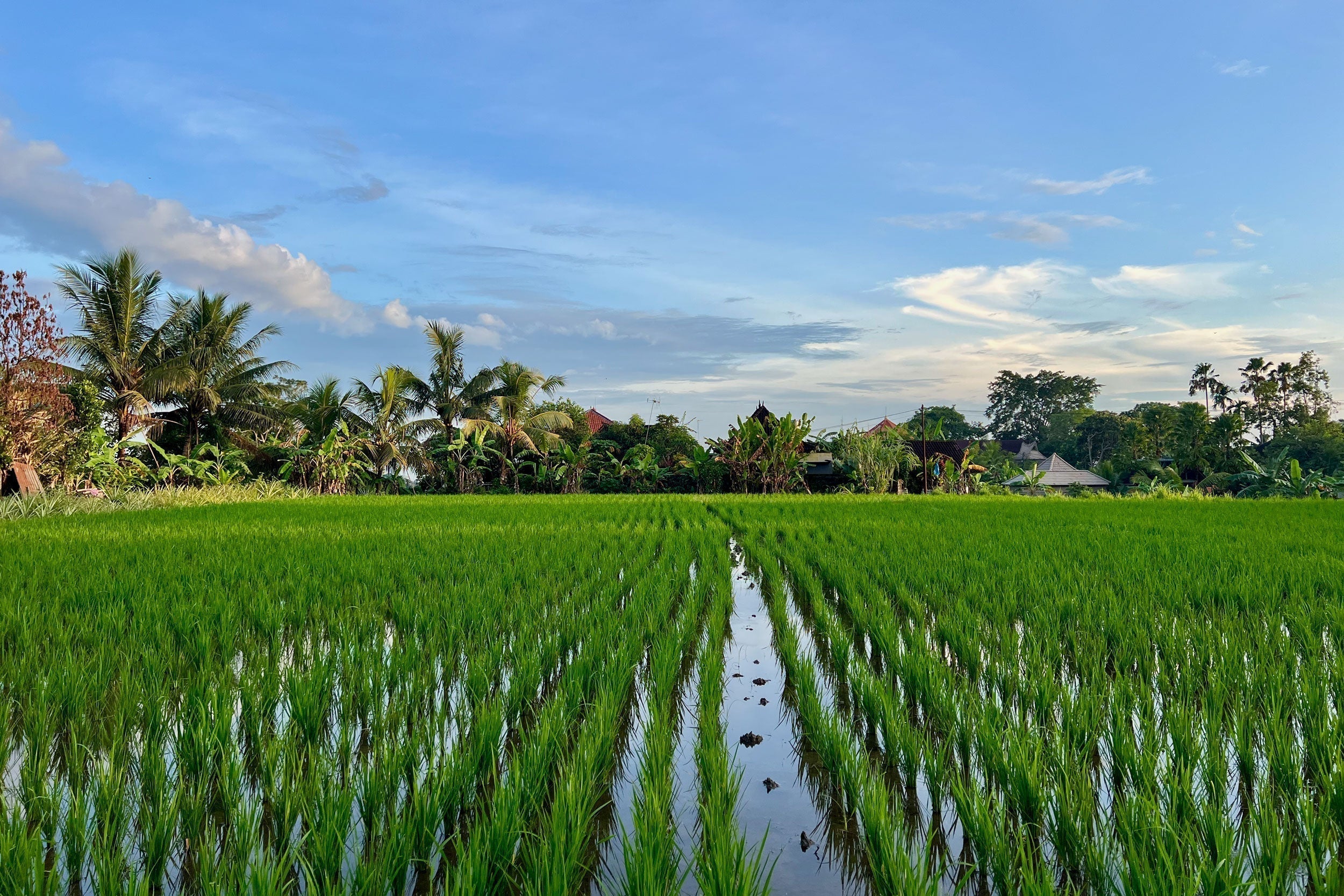
Ubud Unraveled: A Journey of Yoga, Stillness, and Self-Discovery
I have been in Ubud for three weeks now, and thanks to an extended visa, we get to stay for another 30 days. It might seem unusual to settle in one place during a gap year, but in many ways, it feels like we’ve moved here—at least temporarily—to rest and recalibrate. This gap year is not just a break from work but a departure from the world I used to inhabit. The transitions between countries won’t be rushed; moving every week would be unsustainable. Instead, we are easing into a rhythm, embracing a slower, more intentional way of being.
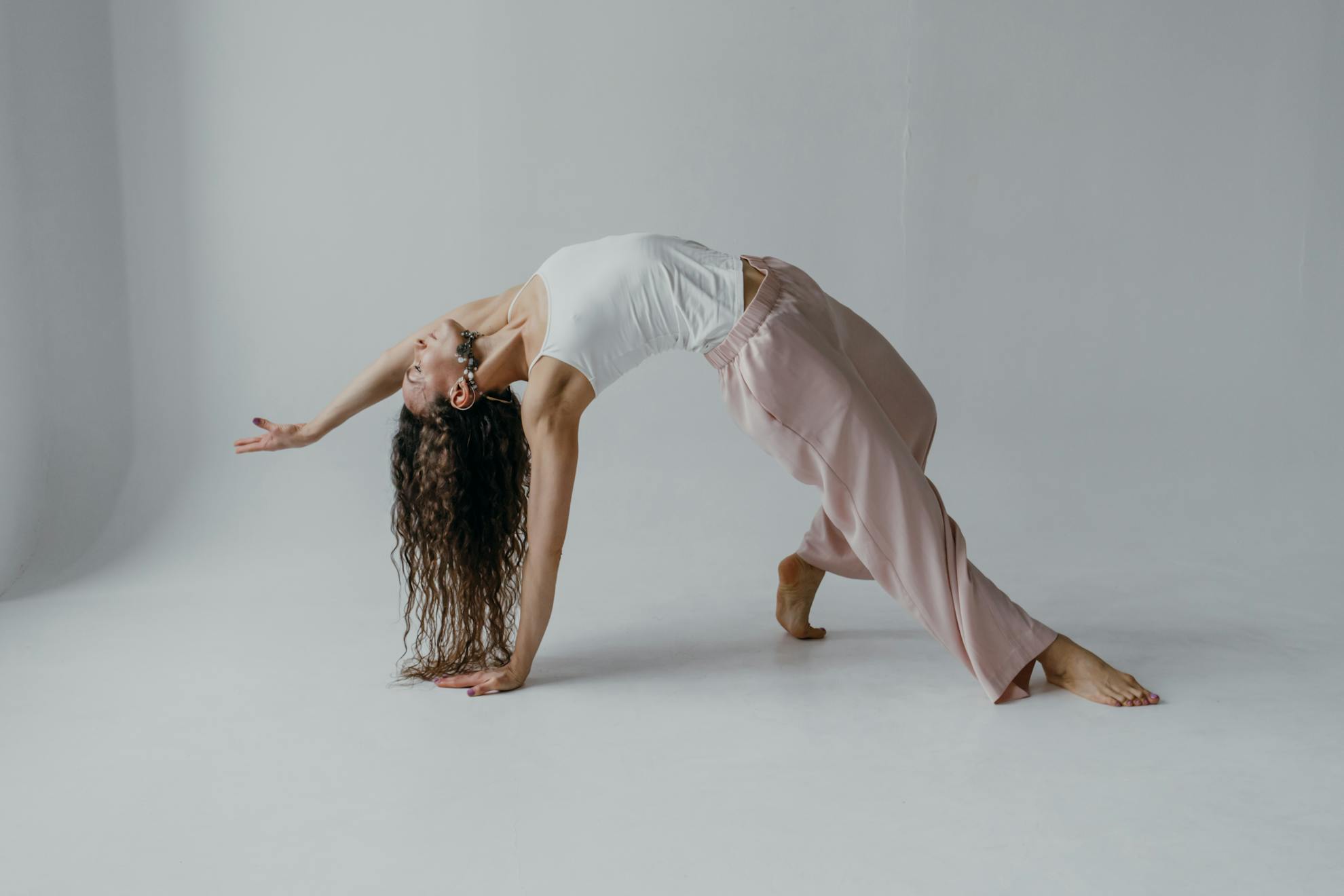
Yoga Transformation: The Student, The Teacher And The Integration Of The Teachings
The road to transformation is rarely linear. It twists and turns, revealing lessons we didn’t anticipate and demanding patience we didn’t know we needed. For those of you who have followed my journey, you know that my world shifted dramatically in 2022. That year cracked me open, forcing me to look at life from a new perspective—one that led me deeper into the practice of yoga.
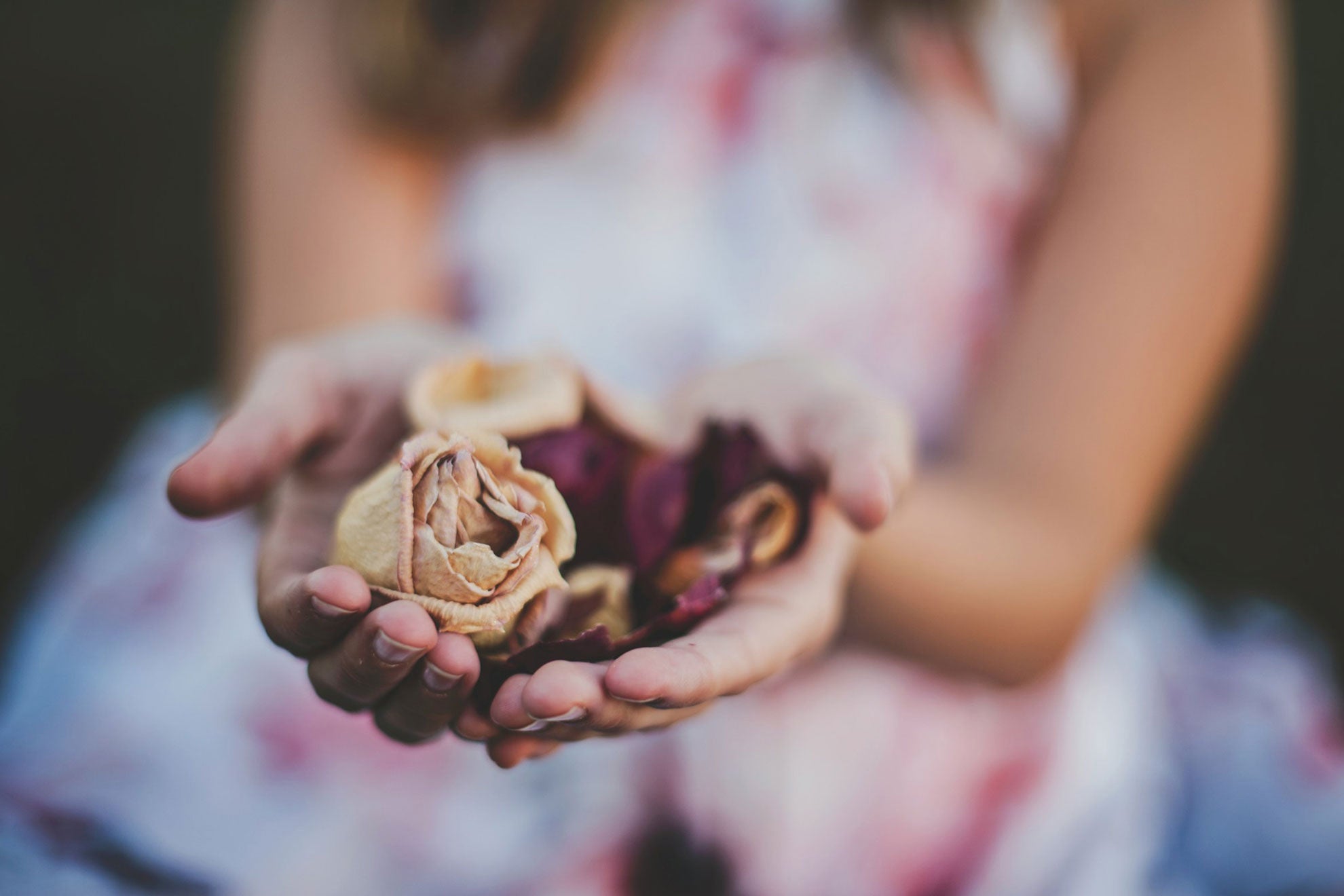
Letting Go Lightly, With A Balinese Purification Ceremony
Yesterday, I attended a Balinese purification and blessing ceremony with Tri Desna in Ubud. While the full impact of letting go may take days, even weeks, today, I feel lighter. Rested. Unburdened. Even in the midst of a gap year—a time meant for freedom and exploration—I had unknowingly packed emotional baggage alongside my travel essentials. We all do.
Why is Bali So Synonymous with Yoga?
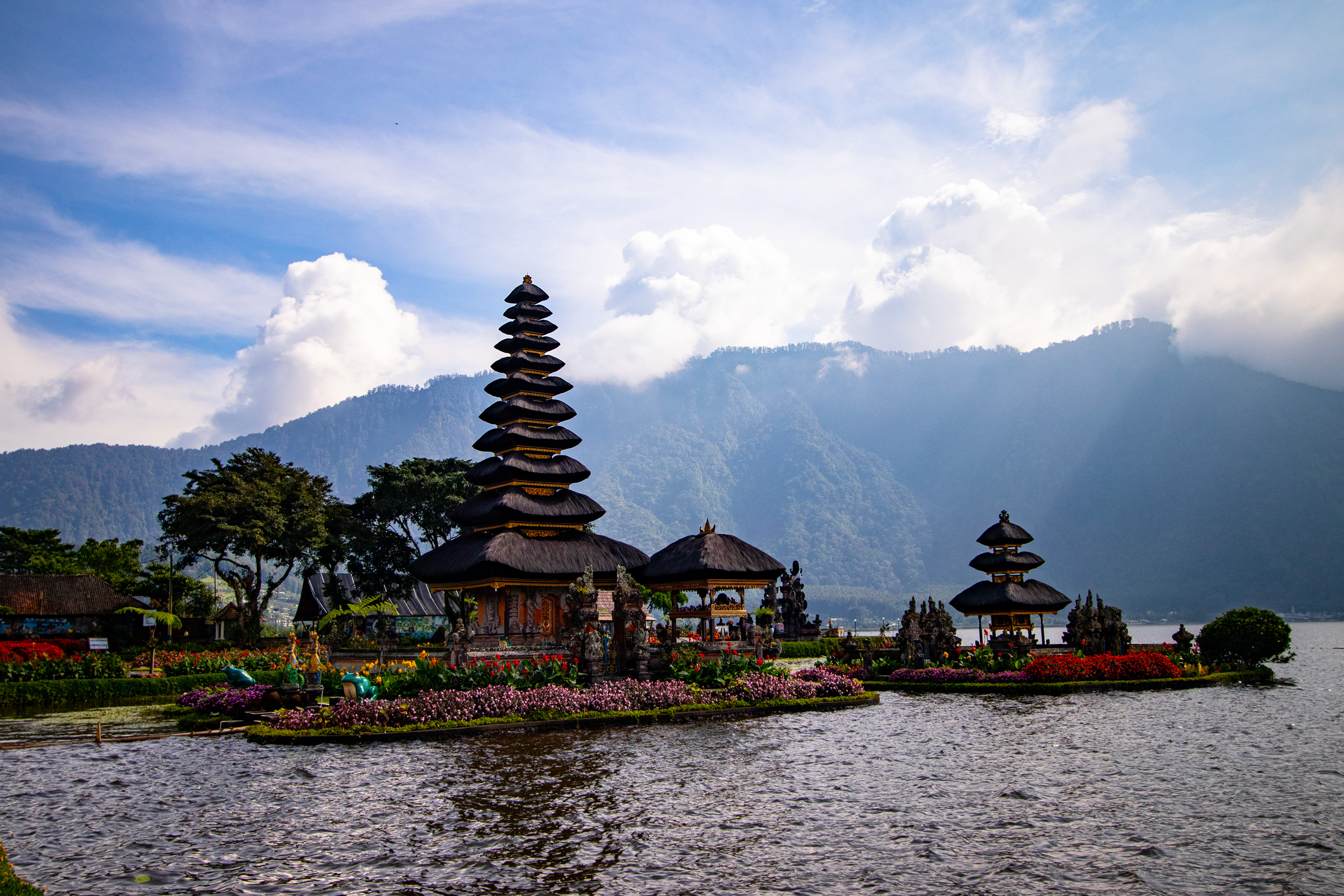
Bali has a way of calling to the soul, whispering through the rustling palms and the rhythmic crash of waves. It has become one of the most recognised destinations for yoga in the world, drawing seekers from all walks of life to its lush landscapes, sacred temples, and serene retreats. But what is it about this Indonesian island that makes it such a magnet for yogis? The answer lies in a powerful combination of culture, spirituality, and natural beauty.
How To Use Challenges To Welcome Change
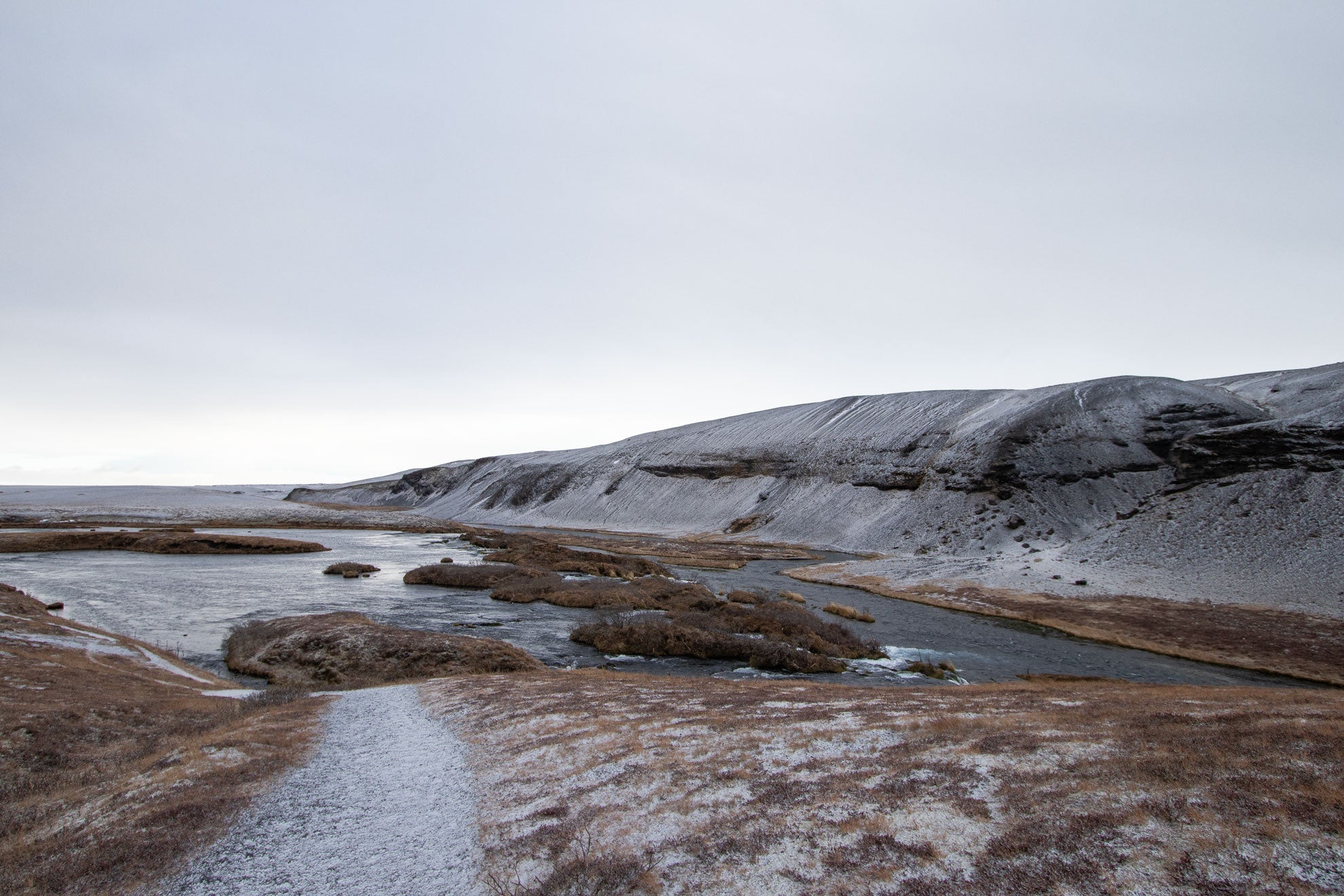
As I move through what seemed in the moment to be one of the most challenging yet eye-opening experiences of myself to date, I realise that it is not that this challenge is any better or worse than any that preceded it; it is me who has altered the way that I feel it, witness it and let it control me. I feel awake, even brought alive by this challenge, more so than ever before. I realise that the challenge will soon be irrelevant and that all that has happened was always going to. All that was in my control was my choice of how to let it affect me, how I chose to respond, and how I wanted to be perceived, remembered and heard. There is true power in choice, awareness and understanding.
Exploring Mudras in Meditation
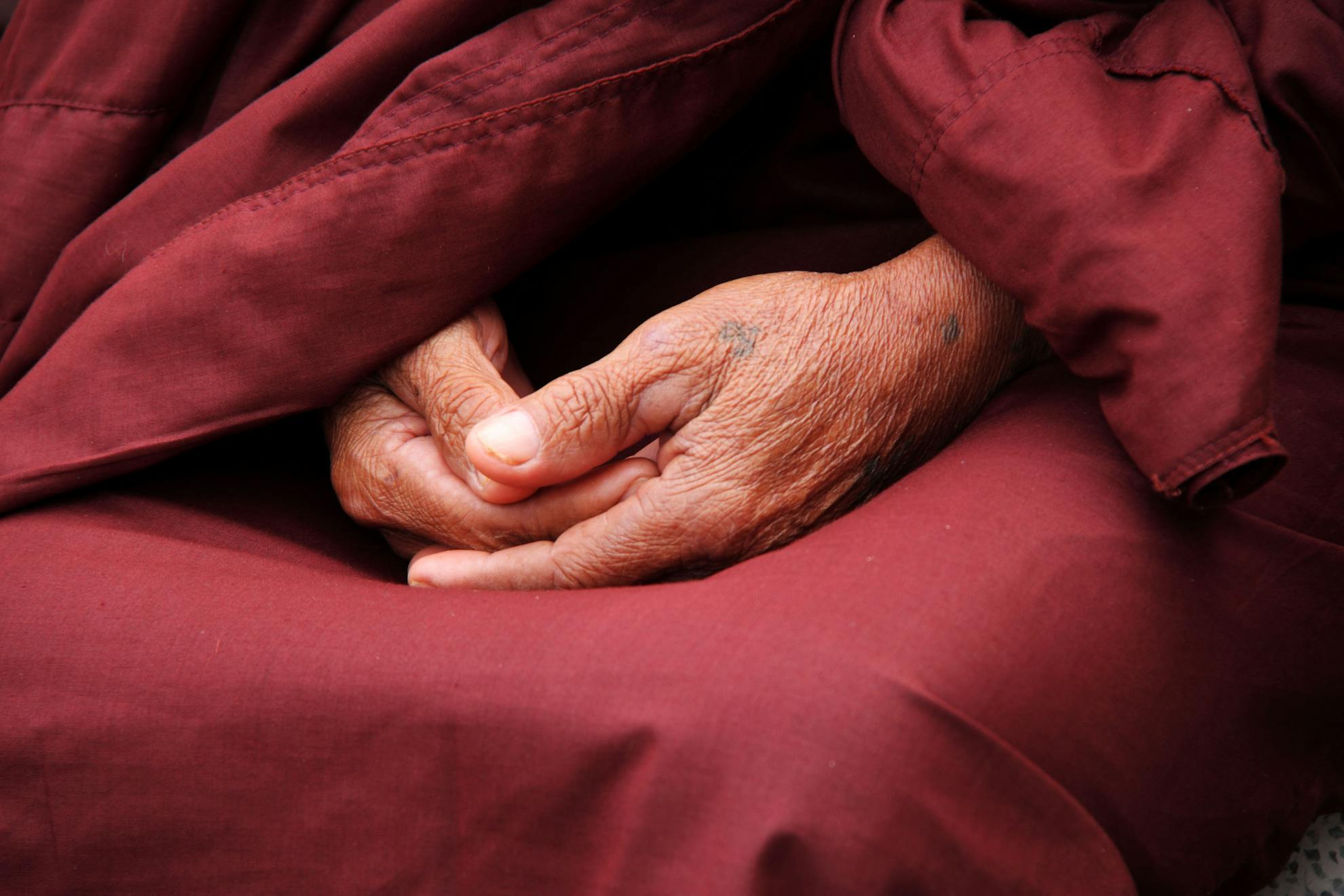
Mudras are how we position our hands when meditating. Each Mudra can seal the energy in the body, and when meditation, we want to seal that energy in as it's positive and restful.
Learning To Trust Yourself: A Guide To Inner Knowing
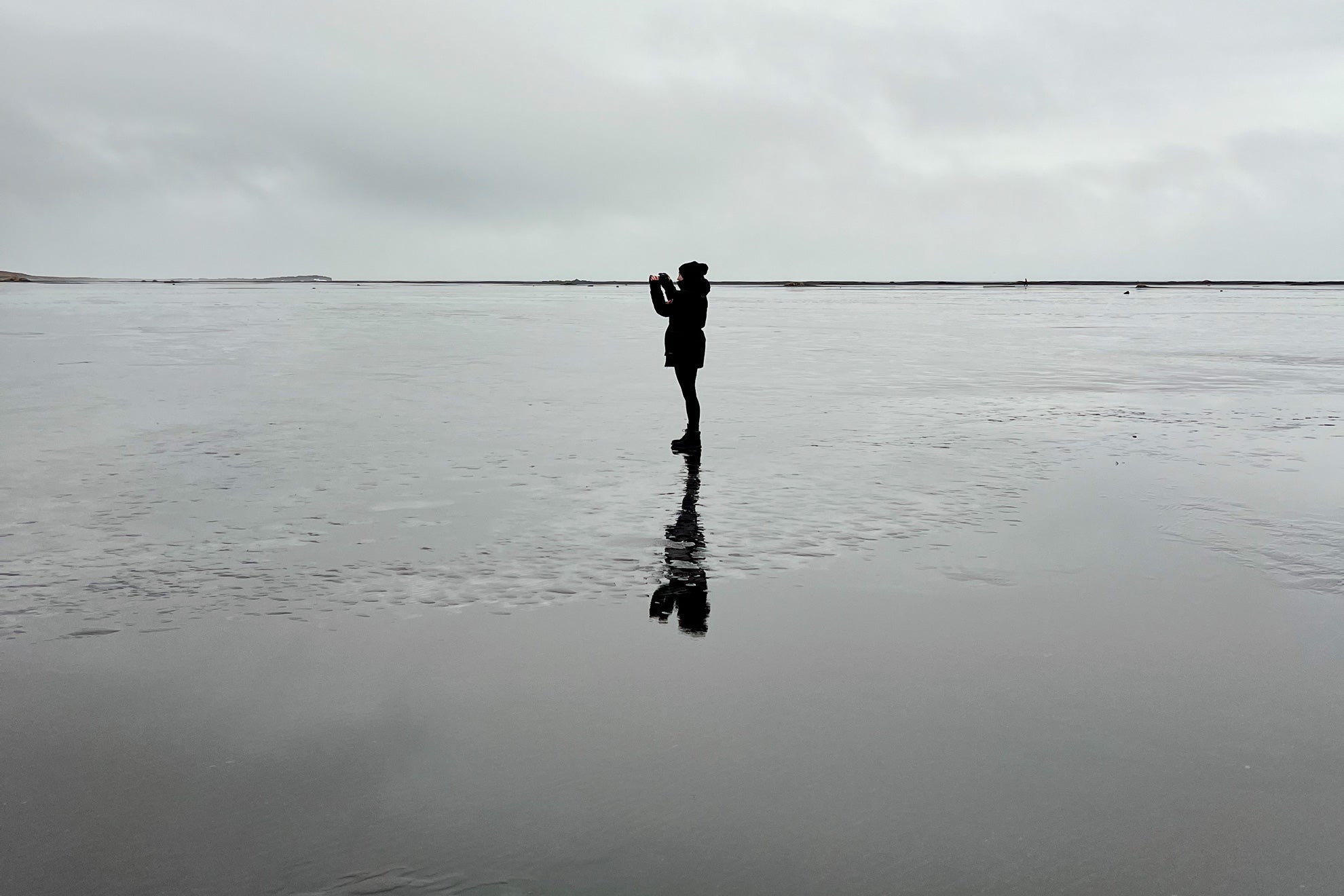
Finding trust in yourself so that you can trust the journey you are on. Choosing to believe that not to know that what is happening at any given time is ok it’s part of the process. It's all part of what will one day make up your story. The right here, right now can feel heavy, uncomfortable or painful but it is temporary. It will pass. You cannot feel the depths of every experience if it is only the fear you let in. What if you were to explore beyond the fear? Beyond the pain, there will be a message, a lesson or something stuck that you have yet to explore. Without delving into what it means, you are missing the lessons your life tries to show you. The parts of you that will make you all you know inside you already are. The parts of you that you long to share and be at ease with, the raw the vulnerable, the real you. Moving through the pain, into understanding is how you find freedom in letting go.
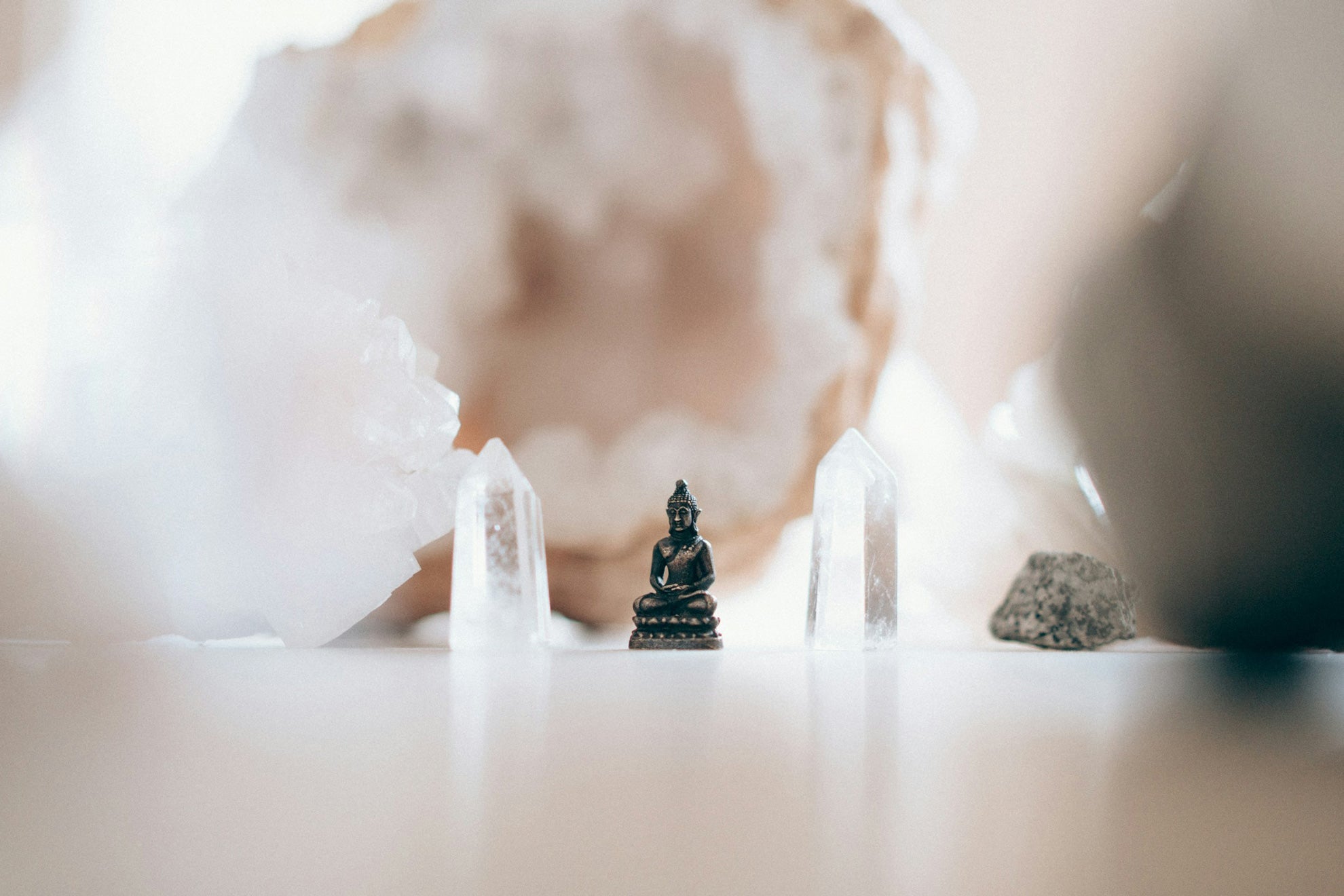
Meditation, The 10 Benefits Found In Less Than A Month
I’ve reached the halfway point in my Meditation & Mindfulness Teacher Training and it’s been profoundly eye-opening. I have been meditating consistently for 24 days, although in a lifetime, it's not even a millisecond, the impact has been vast.
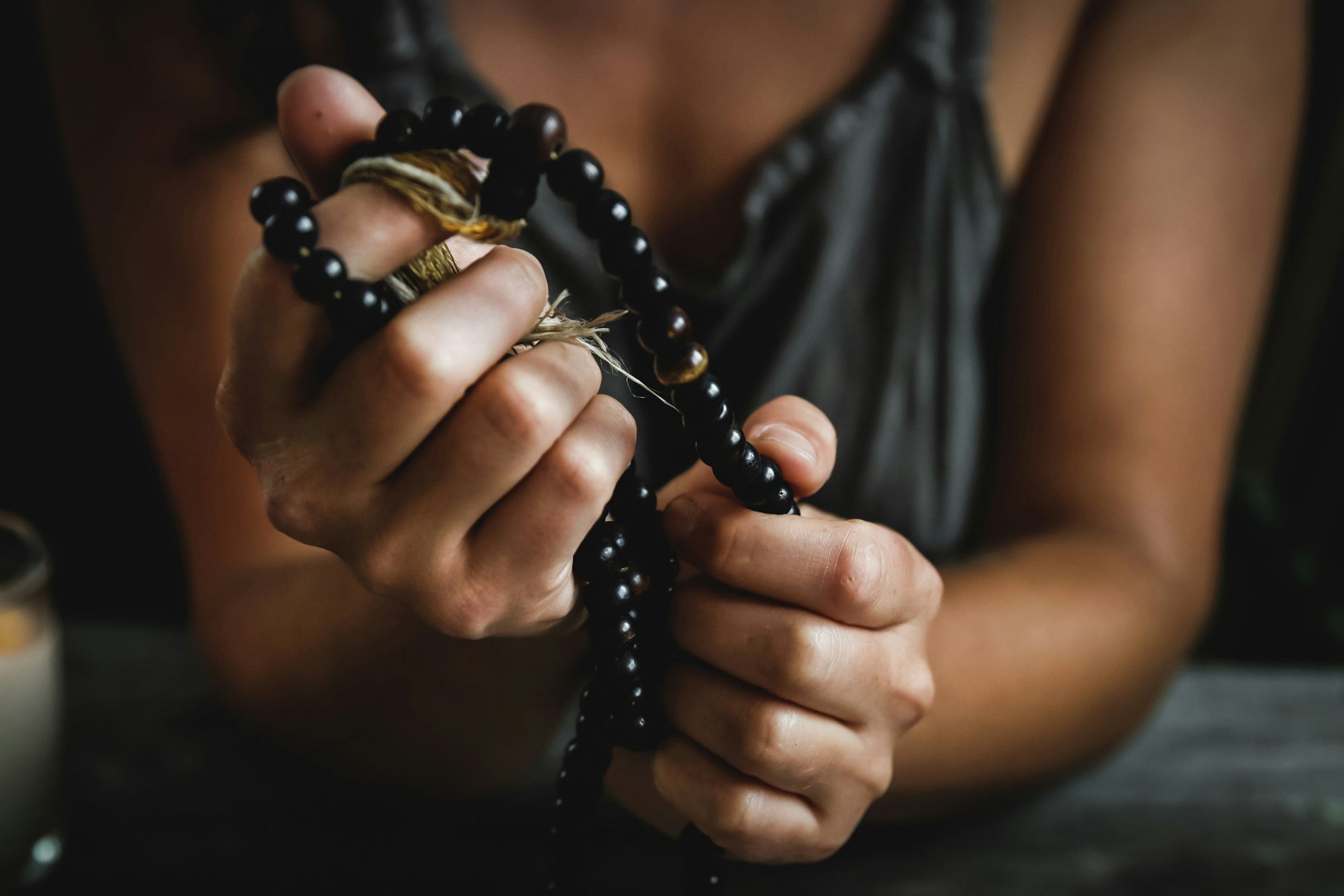
Is It Timing, Trust, or Divine Intervention? Navigating the Unknown
This last month marks the halfway point of my accidental transformation year, 2024 has been a wonderful journey filled with unexpected and incredible opportunities. Look for the signs, lean into the opportunities, and jump in. If you have ever heard these phrases, but dismissed them I urge you to look again.
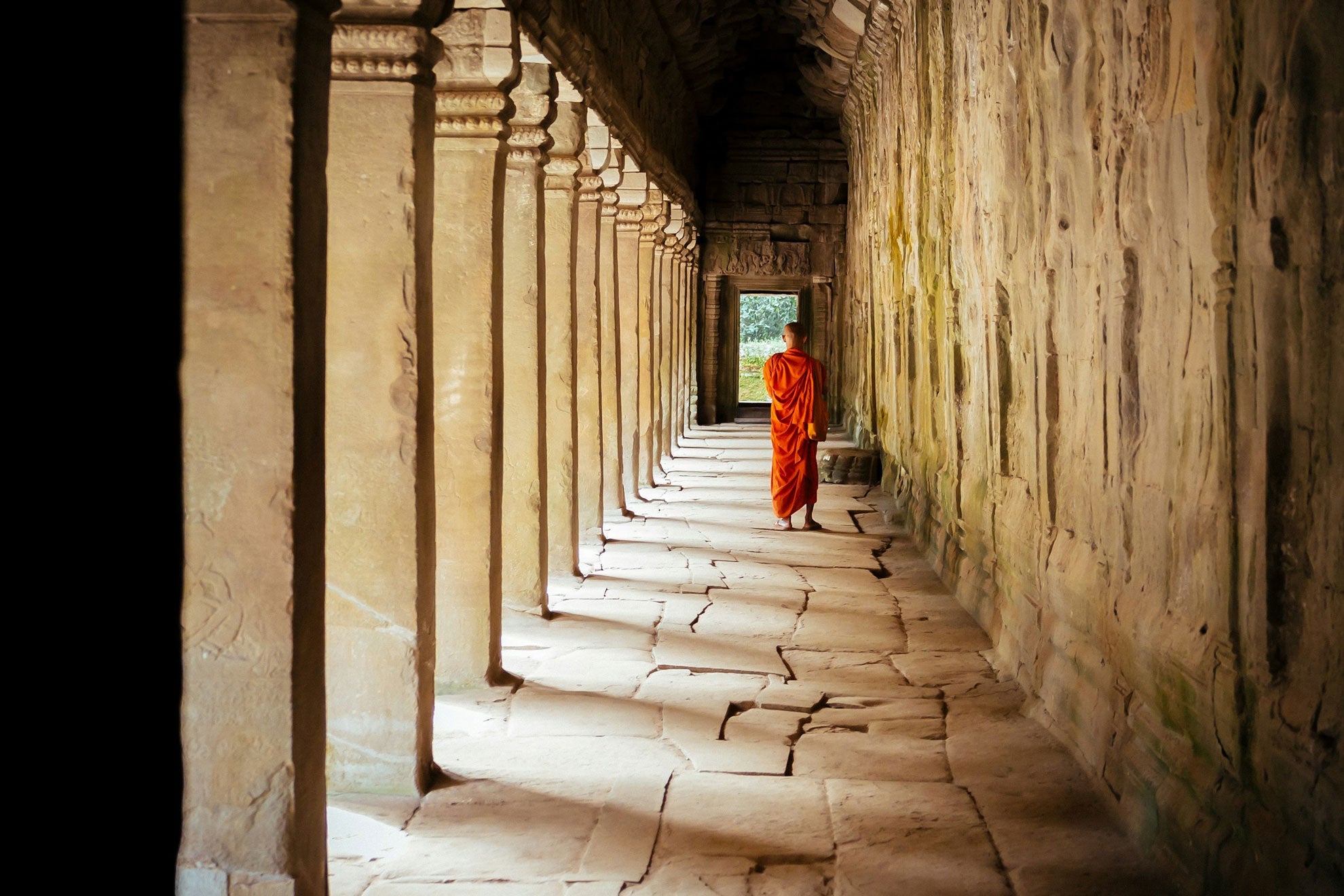
20 Moments From 'I May Be Wrong' by Bjorn Natthiko Lindeblad
This book was one of the recommended readings before my Meditation & Mindfulness teacher training which starts late June 24. Not often does a book transport you to a quiet place of contemplation, while showing you how to cry and smile from the heart as the words touch your soul and your understanding of stillness emerges. An easy-to-read deep dive into the powers of the mind, the clutter of the thoughts and the truth that none of your thoughts matter. We are not our thoughts and we can choose to live more lightly.
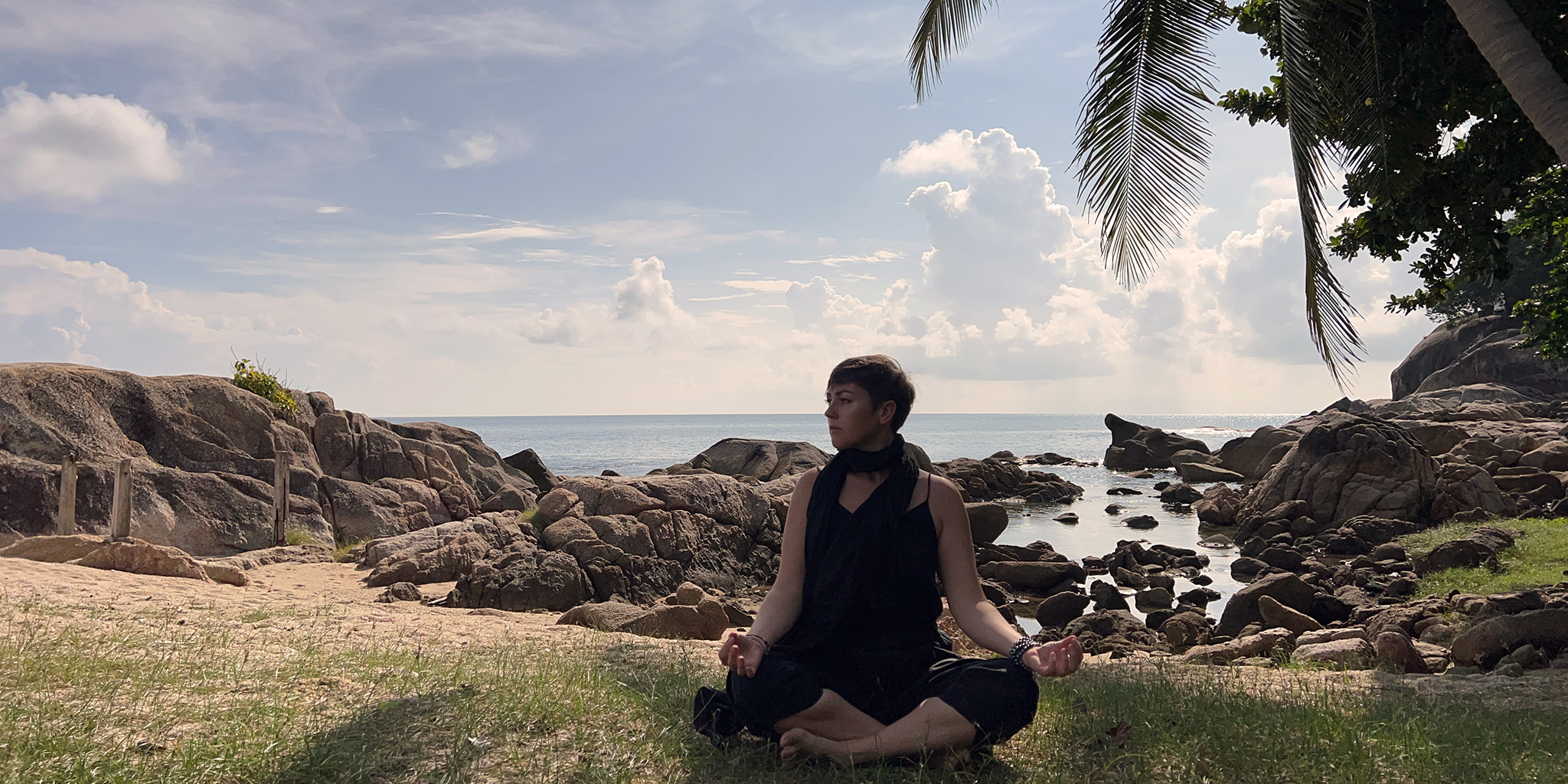
10 Meditation Myths
Learning to be still can be hard and like with other self-care practices it can take time. The Meditation we seem to be exposed to is either moments of quiet or long stretches of meditative peace, monk style. As a practising mediator, I believe that there is a special place in between. Beyond the 3-7 min Savasana that we get in the closing of a yoga class and long before we are sitting on a mountain in Tibet for several hours. The body can learn to pause and the mind will follow.
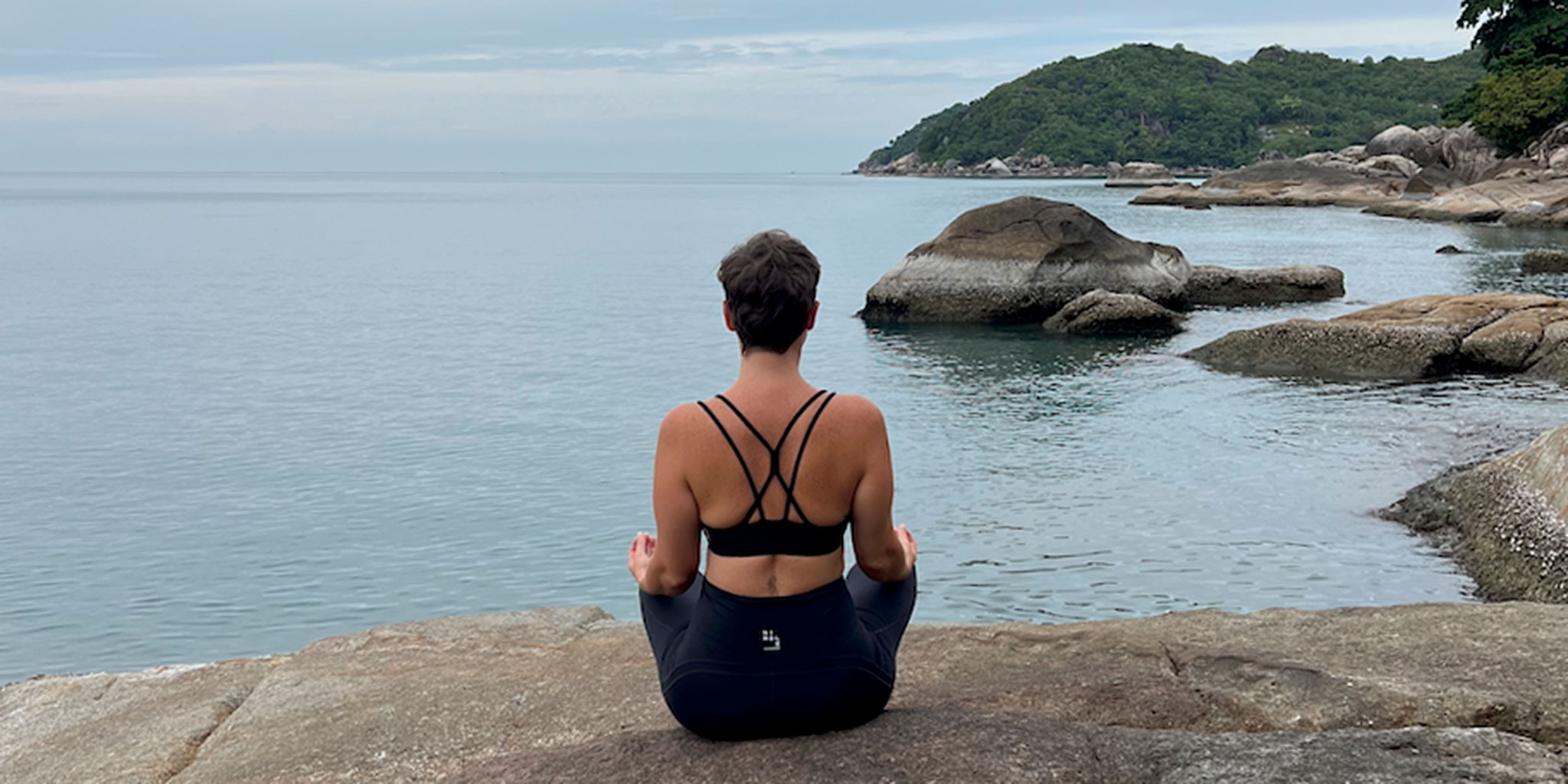
Yoga. Respect The Journey, Love The Practice
There are studies all over the world that explore and celebrate the benefits of yoga and although I know this to be true, I was always a little sceptical, I tended to explain away my weight loss as a combination of diet and running as well as yoga. However, I have to admit to not only being hooked but being a full 100% believer. Yoga has moved emotional blockers in the body that allowed my body to find a healthier state. Weight loss is a bonus, all the other benefits far outweigh a smaller waist and a stronger plank. The personal benefits I have felt in myself as well as others are astounding.
10 Quick & Easy Ways To Feel Grounded
Everyone you meet in this world of ours has some form of anxiety, fear or stress that will show up in their body and most of us do not know what it is. It might be butterflies, headache, dizziness, feeling overwhelmed or some other sense of unease. Whatever it is that your body does to send you a signal, here are a few simple tricks that you can use anywhere, to feel grounded.
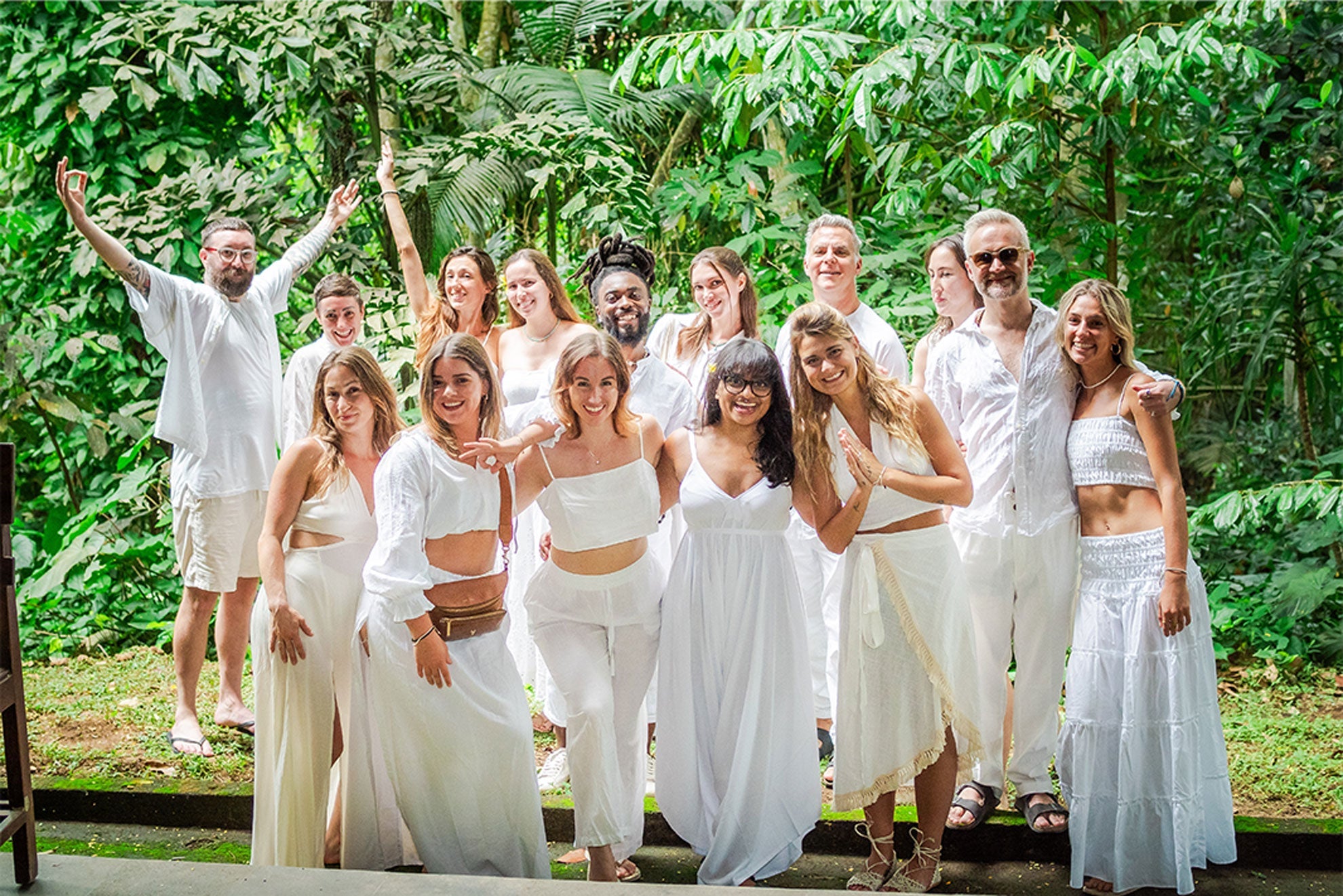
Ubud, Yoga Teacher Training and a lot of Ugly Crying
Only a 6-hour flight from Melbourne, I took the plunge and decided to undertake my Yoga Teacher Training. Now, what they don’t tell you is that it is more than learning poses and moving through transitions from one position to another, it's an eye and heart-opening experience, and if you ever do a YTT know that you will find yourself ugly crying on your mat.
3 Reasons Why You Should Have a Spiritual Practice
Daily practice has been a feature for me over the last 5 years. Over that time it has morphed (just like everything in the last 5 years), depending on what I need at the time and my intention for practice. It is my one non-negotiable, I will move heaven and earth to make sure I have time to sit, connect and be.
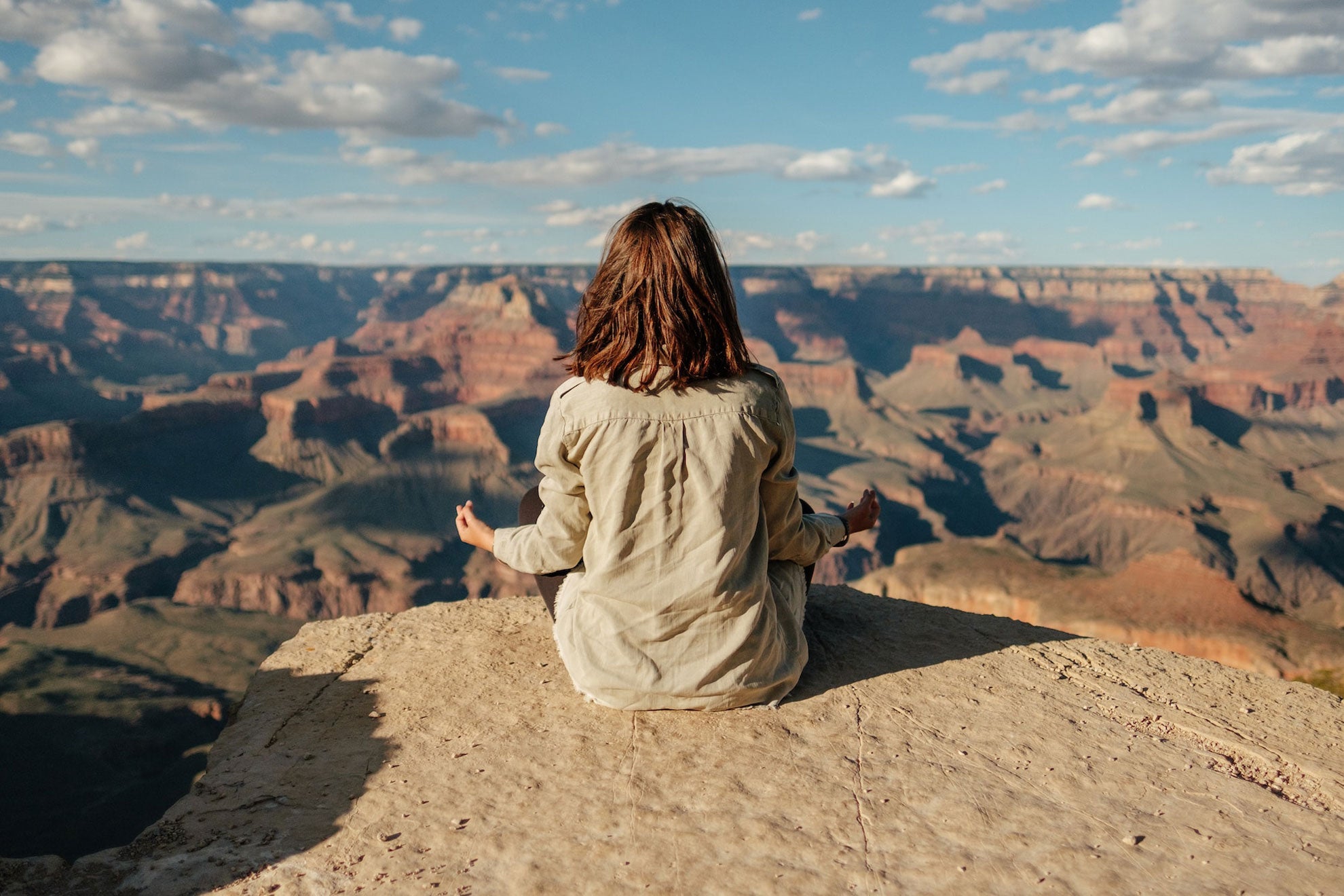
The Power of Breath - James Nestor's Book Breath
James Nestor’s book called Breath. Within the first few pages I was second guessing everything I thought I had experienced with my yoga, breath-work and using it to improve my running. As with all ideas they’ll develop over time as more focus, education or facts come to light. I couldn’t put this book down.
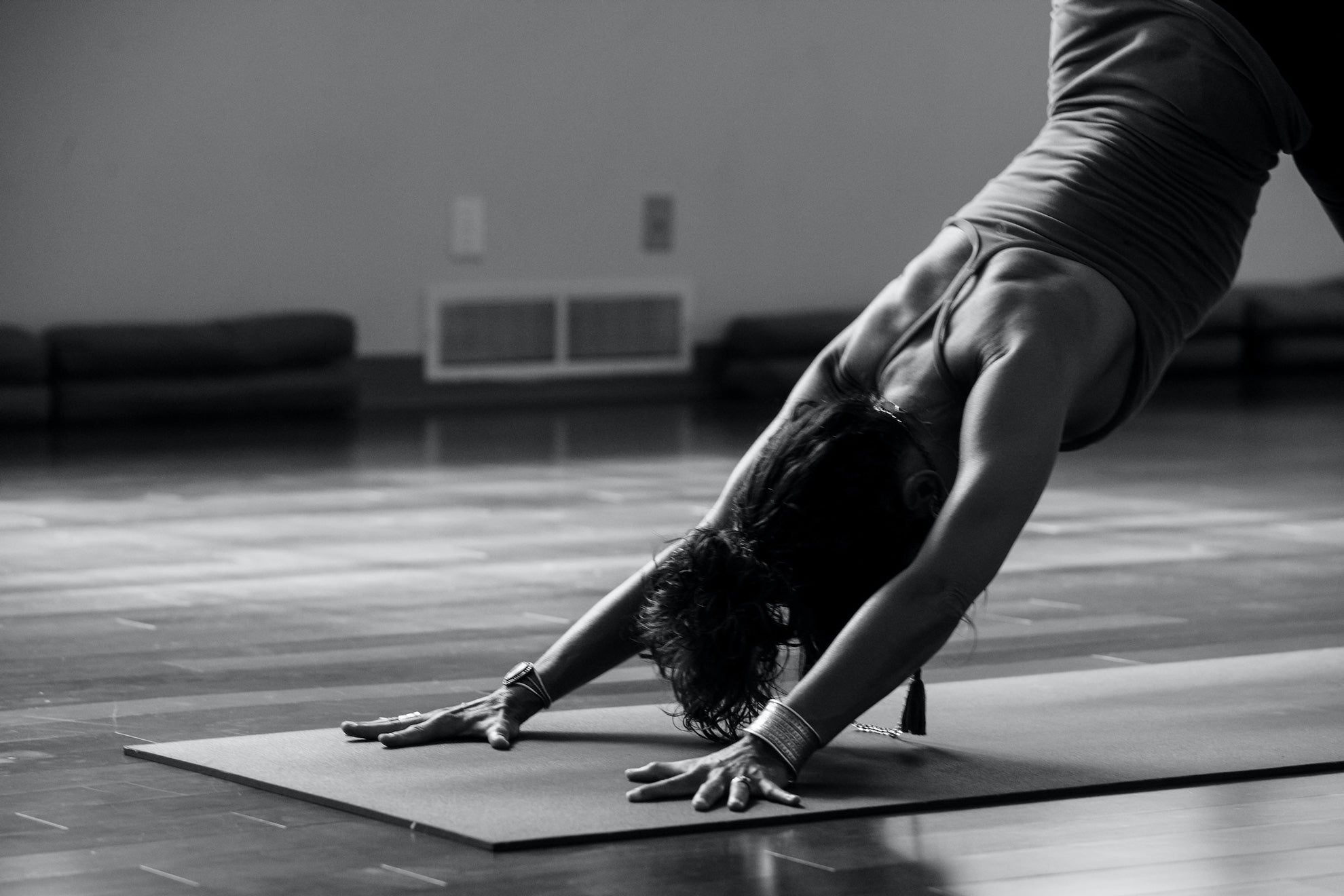
Yoga, The Long & Short Of It
The benefits are out there, if you have ever followed someone who does Yoga on instagram you can see their slimline strong body move through poses with elegance and poise. I’m here to share the process. (just in case like me you don’t look like them.) Why it should be hard and the benefit after the undiscussed strength building on and off the mat. Anything is possible in that body of yours but time and practice are built into yoga and that is the transformative nature of it.