Expectation
61 articles
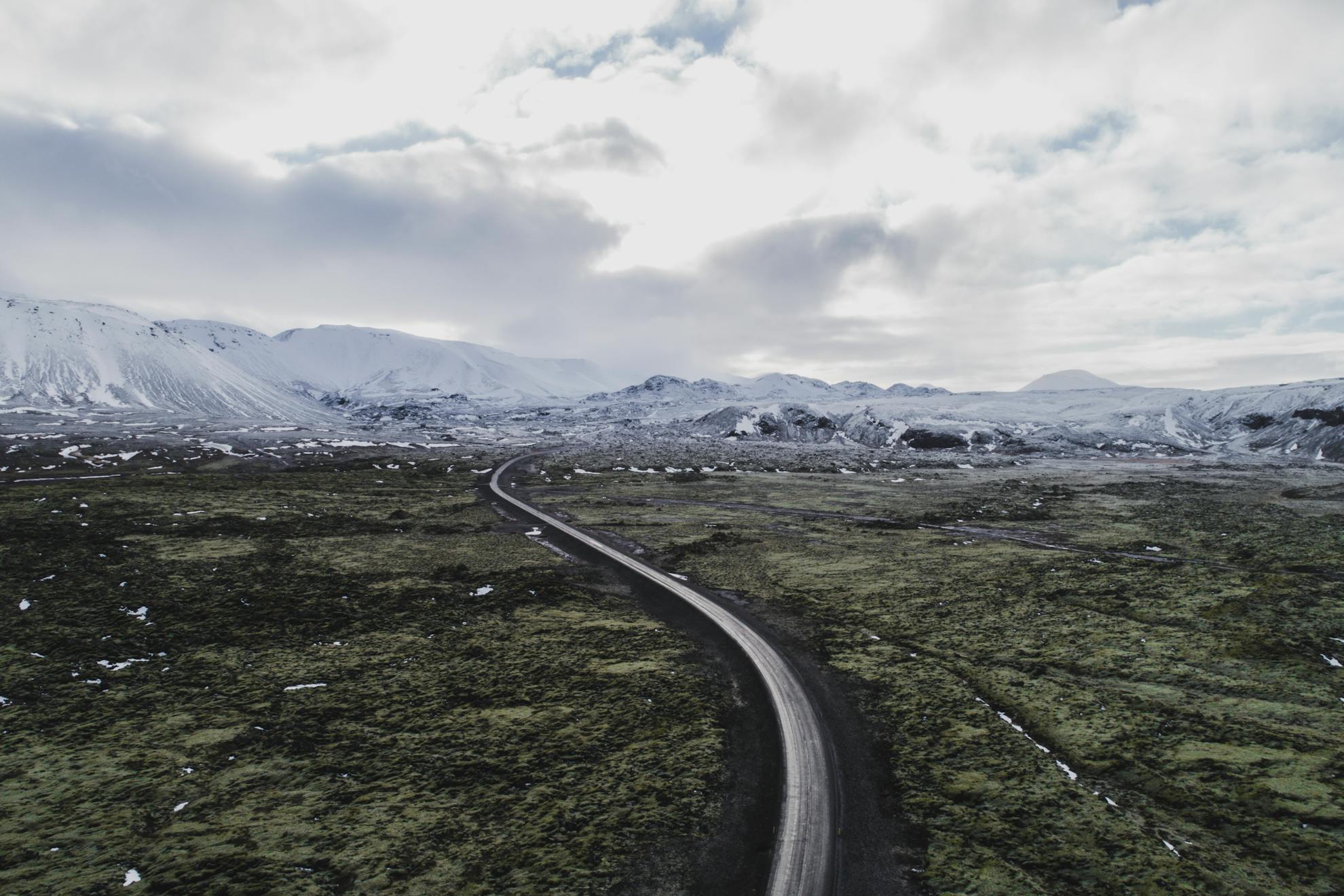
I Took the Hard Road, They Said It Had the Best Views
Here is a question I have been sitting with: If someone offered you a shortcut - not a cheat, not a bypass, but a genuine, faster way through - would you take it? Or would you need to feel your way there first? Would you need to walk the whole long road, with its wrong turns and its weather, before you trusted where you'd arrived? I have been asking myself this honestly. And the honest answer is: I think I needed the long road. Not because suffering is noble or because hardship is a prerequisite for growth. But because of something more specific to how I am wired. I needed the felt sense.
More tagged “Expectation”
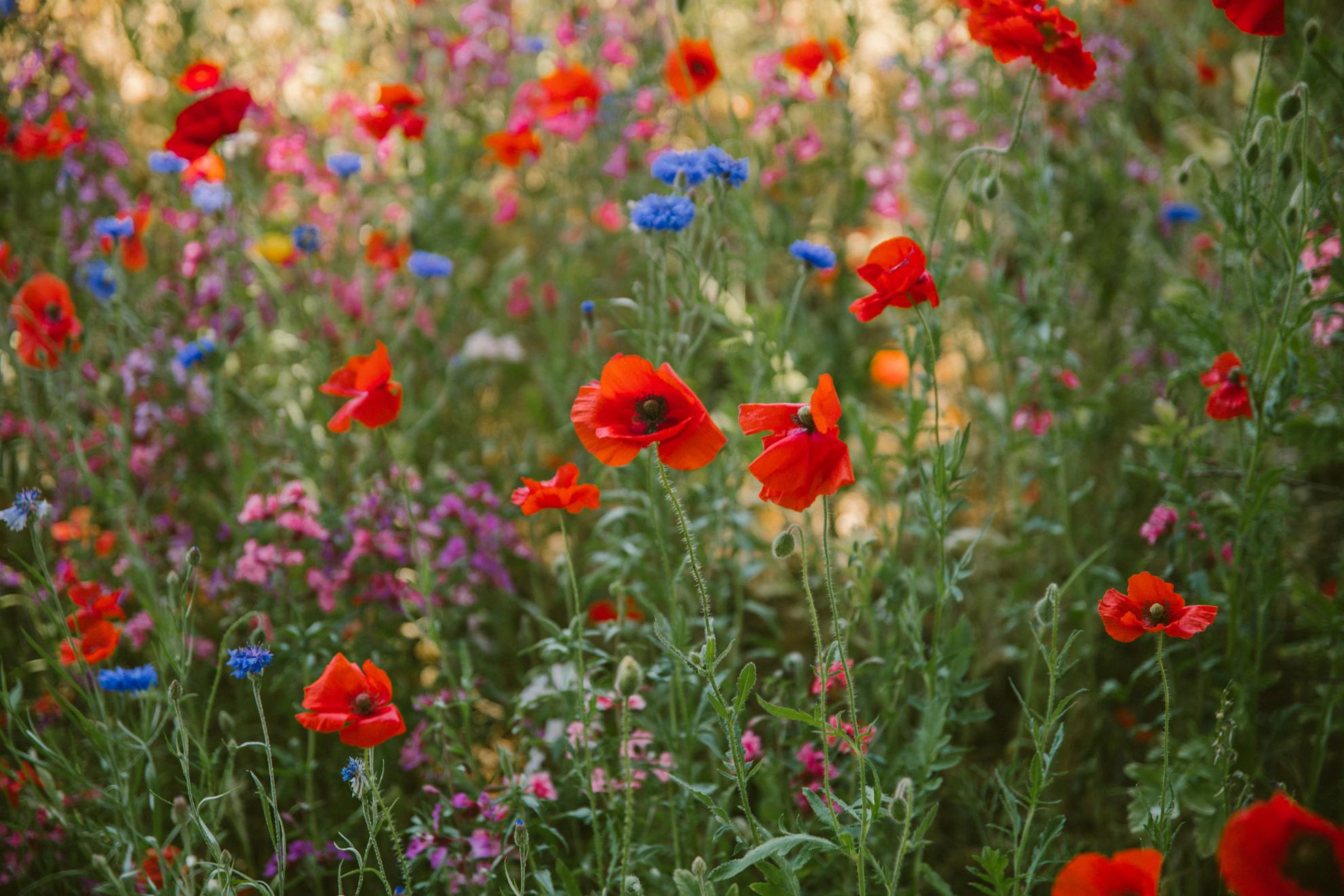
The Meadow of Memories: What If Every Experience You've Had Deserves Equal Ground?
It stretches as far as you can see in every direction. And in it, flowers. Hundreds of them. Thousands. Each one is a different colour, a different height, a different shape. Some of them face the sun. Some of them are bent slightly from the weather they have lived through. Some are in full bloom. Some are past their peak.

How I Finally Got My Dream Body (And Why It Had Nothing to Do With a Diet)
A Warning and an Invitation: if you are here for a quick fix, read on no more. I mean that kindly. There are plenty of places on the internet that will sell you one. This is not that place. But if you are exhausted by quick fixes. If you have tried them, lost count of how many, and arrived here with a particular kind of tired that goes deeper than fatigue, the tired that comes from fighting something for decades and not winning, then you are exactly where you need to be.

Meditation Myths Debunked: How to Actually Begin (Or Begin Again)
I have lost count of how many people have told me they can't meditate. Sometimes they say it with a kind of proud resignation, I've tried, I'm just not that kind of person. Sometimes, with a frustration that suggests they genuinely wanted it to work. Sometimes with a faint embarrassment, as though they've failed at something that seems to come easily to everyone else.

The Quiet Heartbreak of Watching People Stay
There is a particular kind of heartbreak that does not come from loss. It comes from watching someone you love remain in a life that is slowly dimming them. You see it in the way they speak about themselves. In the exhaustion that never lifts. In the habits they defend but quietly resent.
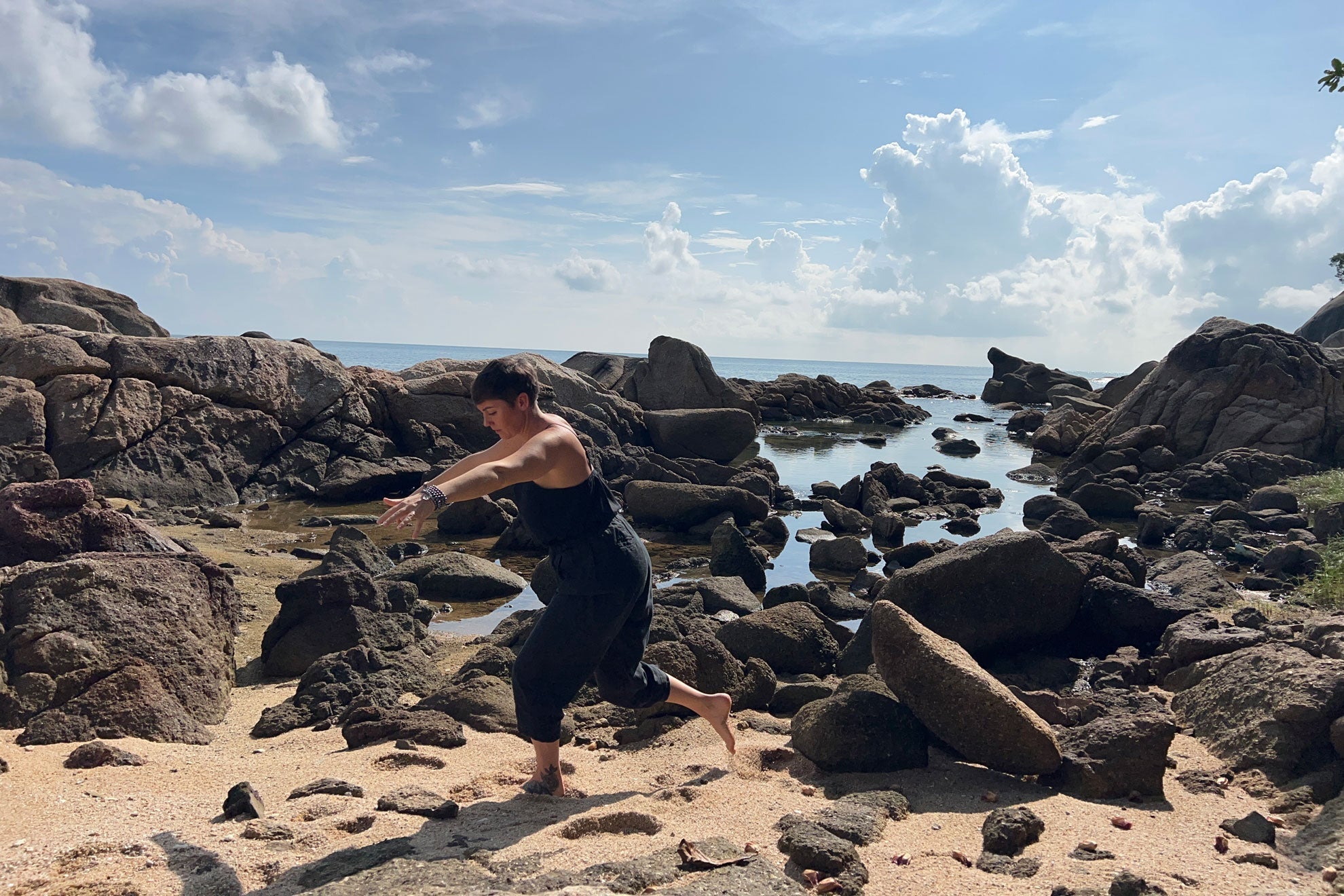
The Space Between the Boxes: A Journey of Unravelling and Reconnecting
What happens when the dust settles after eleven months of wandering? After living out of a single suitcase and a "long list of hell yes's" alongside an even longer list of "no’s," you eventually find yourself standing in the quiet of what used to be your life.
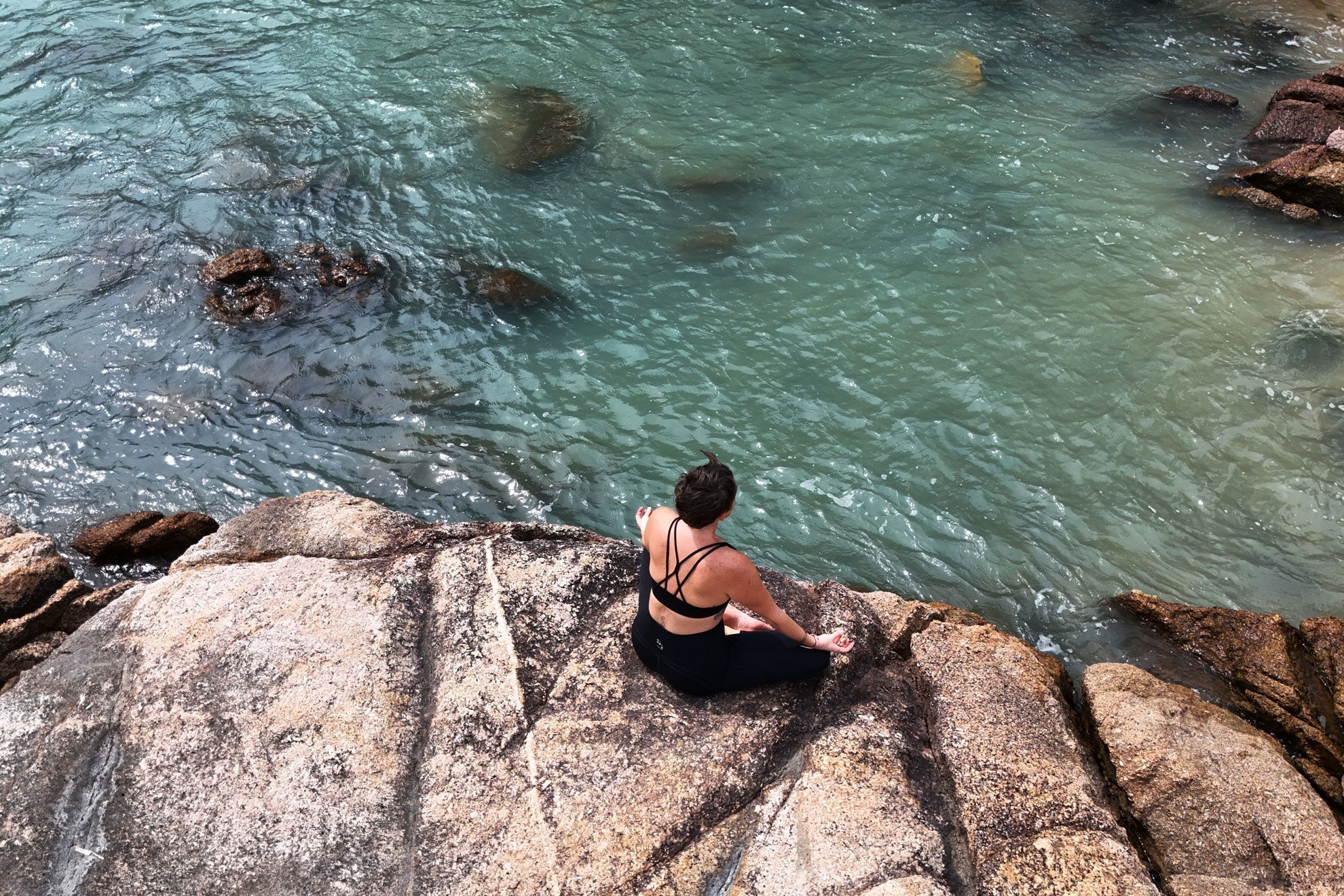
10 Mindful Practices for the Unravelling Soul (On the Go)
When we left our work/life roles, I thought the hardest part would be the logistics. I quickly learned that the true challenge is the unravelling of the "doing" mind. Here are ten practices I’ve gathered from the road that you can do anywhere.
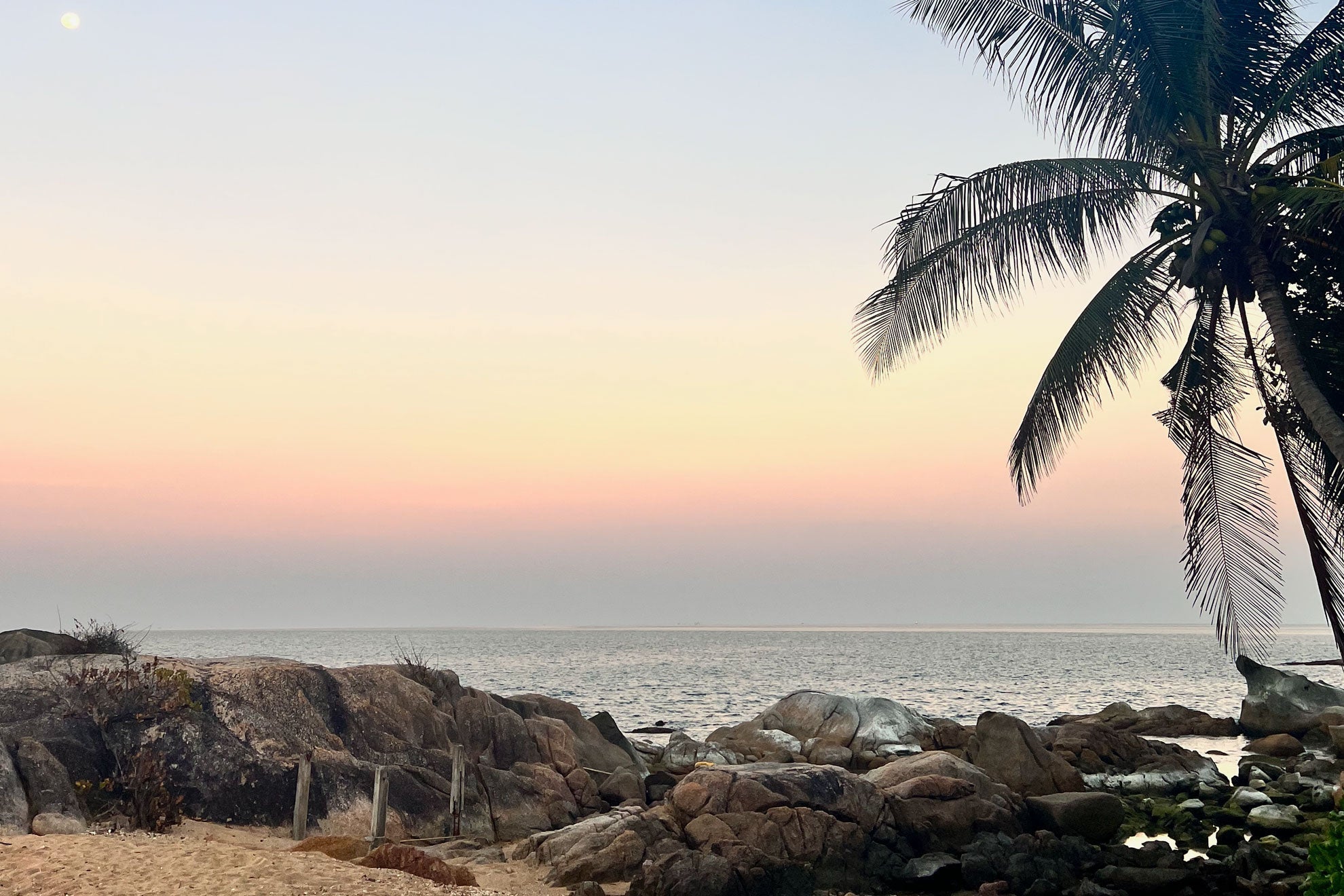
Sanctuaries of the Self: Finding Rhythm and Ritual on the Road
Travel has a way of unravelling us. It stretches our boundaries and expands our horizons, but in the movement, we often lose the steady pulse of our daily rituals. After eight months on the road, I’ve realised that protecting your practice isn’t about rigid adherence to a schedule; it’s about finding the spaces that help you return to yourself—the ones that feel less like a workout and more like medicine.
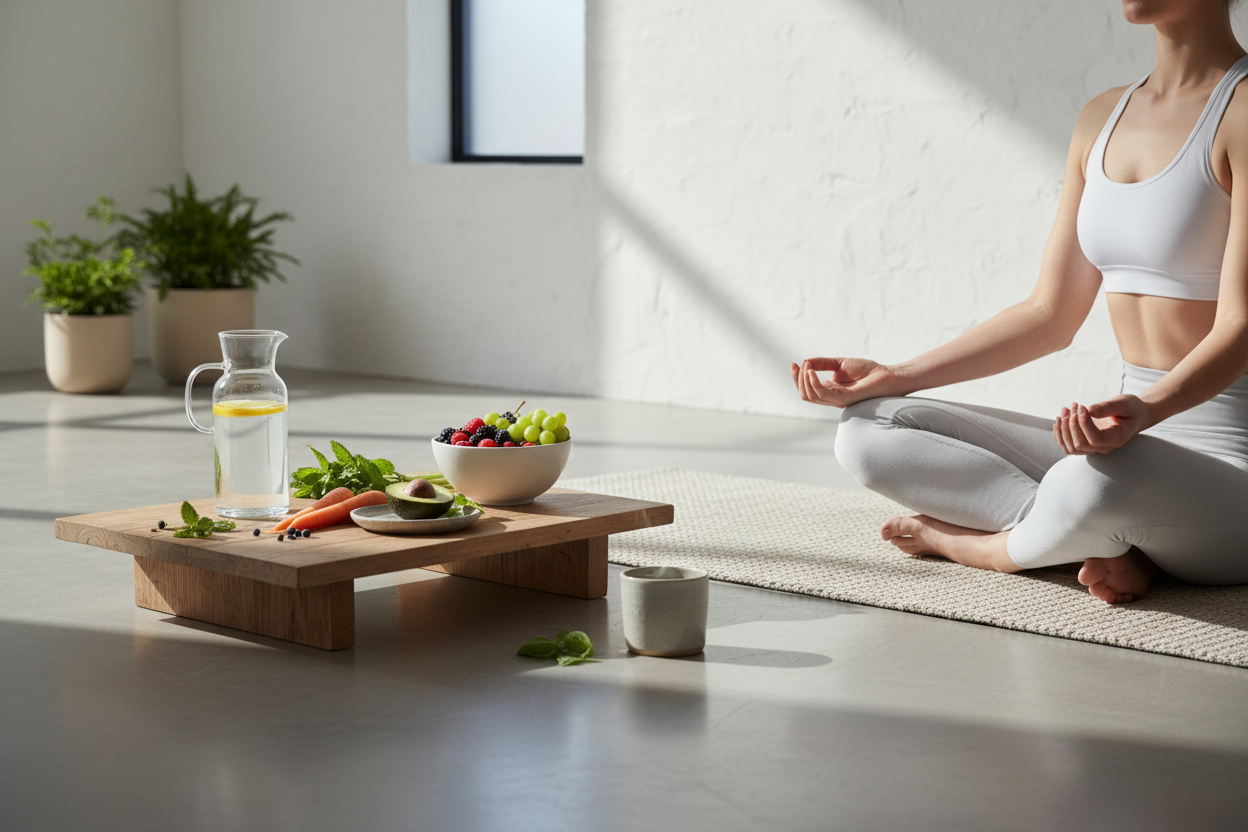
Softening the New Year: A Devoted Approach to Wellness
This isn’t a fitness routine. It isn’t a fad diet, calorie counting, or a 30-day reset. It’s something quieter, deeper, and far more sustainable. It’s a relationship. A relationship with your body, built on understanding rather than control.

Removing the Habits That Keep You Stuck: Do A Habit Audit: Hard Questions, Small Changes, Big Shifts
We all have habits that serve us, and habits that don’t. The tricky part is: sometimes the ones that don’t serve are the ones we cling to because they feel familiar, safe, known. This post will guide you through an honest audit of your habits, apply research from behavioural psychology (including key ideas from Atomic Habits by James Clear) and offer a list of very practical, gradual changes you can make — changes you control, sustainable and within reach.
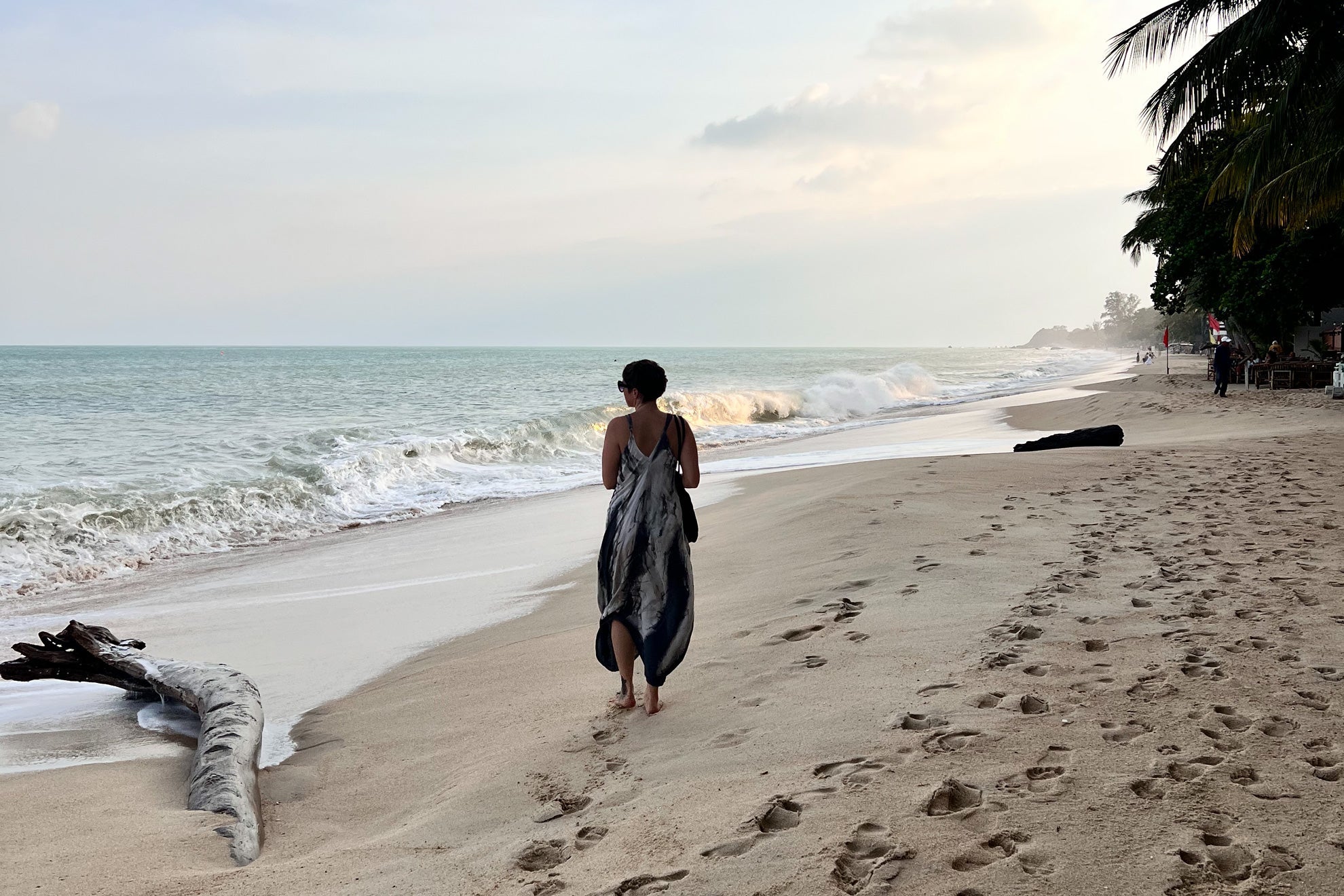
What Slowing Down Really Taught Me This Year: Coming Back to My Body, My Life and Myself
As this year comes to a close, I’ve been reflecting on what “slowing down” really ended up being for me. When I imagined it, I pictured beaches, sunrise yoga sessions, sunsets with salty hair, and the kind of inner peace that glossy wellness posts make look effortless. And yes, there were moments that felt like that. But most of the time, slowing down wasn’t glamorous. It was messy, humbling, grounding and honest. It looked like a compromise. It asked me to make choices I didn’t always expect. It made me meet myself in ways I had never truly allowed before.
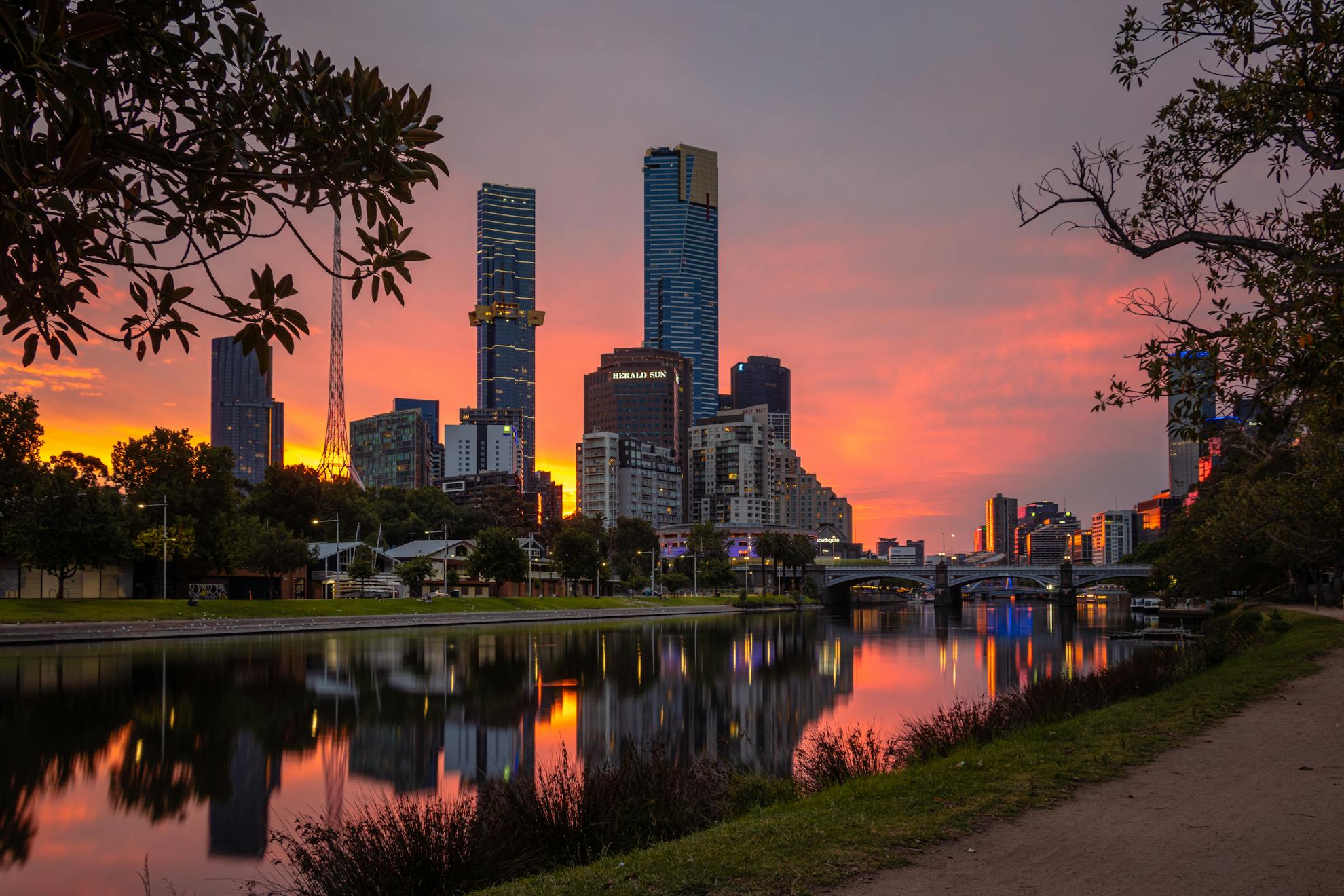
When Coming Home Feels Different: How Space, Change, and Perspective Shape What “Home” Means
Sometimes, stepping away from everything you know is the only way to truly see it.We all have places we’ve outgrown, or thought we had. The home that once felt heavy, the routine that seemed suffocating, the four walls that turned into a mirror for our restlessness. But what if it wasn’t the place holding you back? What if it was what you carried inside it?

Harness Your Energy with Yoga: Devotion, Breath, and Mindful Practice
Energy moves where attention flows. Both ancient yoga and modern science tell us this truth in different languages, yet the essence remains the same: what you focus on expands.
Learning to Trust Through Love
We often speak of love as something we either have or don’t, something we fall into or out of. Yet few of us pause long enough to consider its deeper purpose. What if love is not the destination, but the lesson itself?
Transformation: What It Is and Why Yoga Retreats Promise It
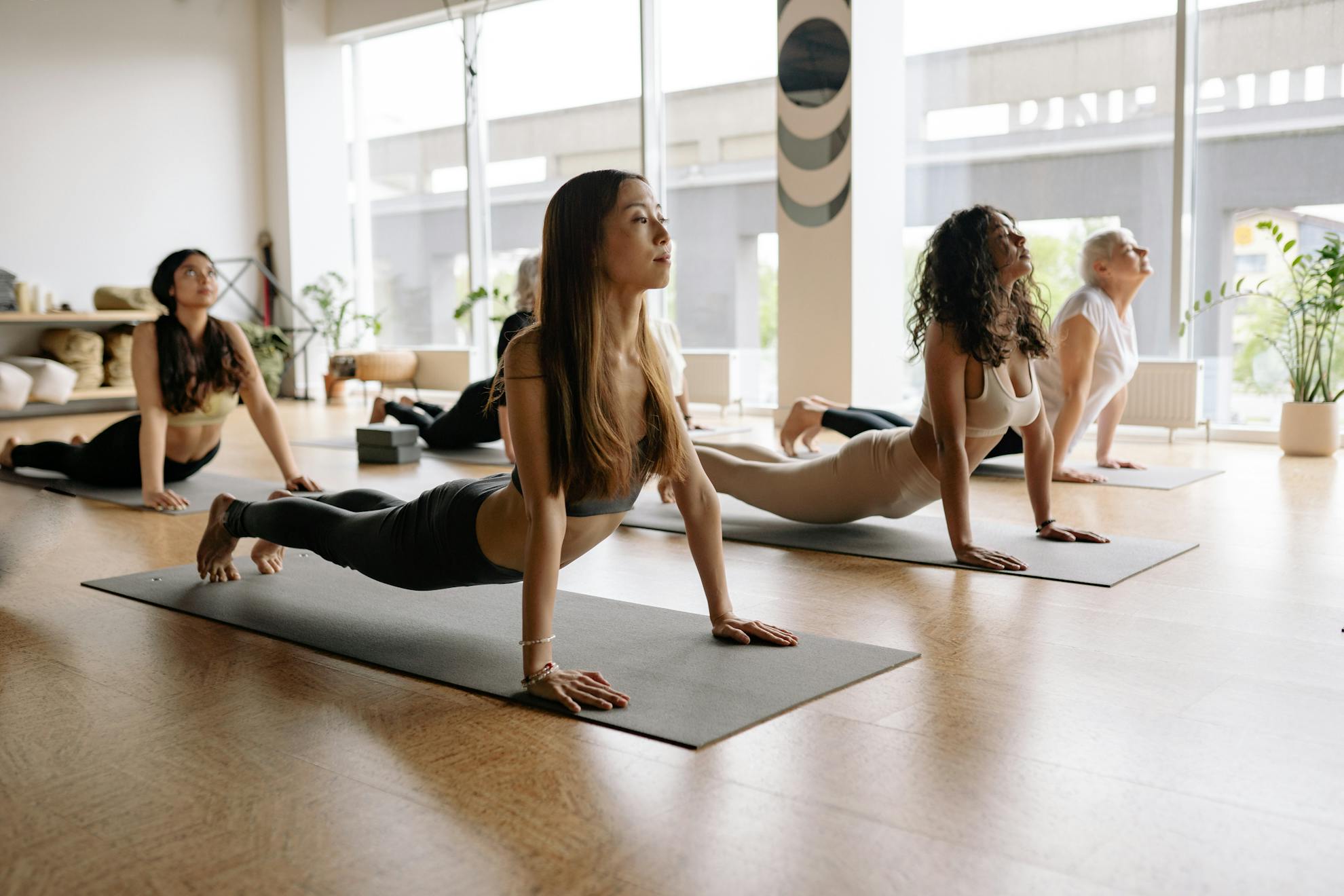
Transformation is a word we see everywhere these days, especially on retreats. But what does it really mean? And why are so many retreats offering it as part of their experience?

Saying No Without Guilt: Gentle Practices for Self-Respect and Balance
In times past, people could retreat into caves or forests in search of clarity, stepping away from the noise until answers arrived in silence. Today, life feels far less simple. We are constantly pulled in different directions, with advice, expectations, and ideas about wellness and success coming at us from all sides. Each day presents countless small choices: what to eat, how to spend our time, who we spend it with, and even how we speak up for ourselves. Learning to say no with kindness and without guilt is not just about the big decisions; it’s about honouring these small choices, nurturing self-respect, and creating balance in everyday life.
The Multi-Dimensions of Wellness Part 2: A Gentle Guide to Living Well
Wellness is often spoken of as a set of practices or a checklist of what we should do, but in truth, it is far more subtle, far more intimate than that. It is the quiet tending to our inner landscapes, the noticing of our energy, our thoughts, our relationships, and the spaces we inhabit. In the first part of this exploration, we wandered through the many dimensions of wellness—physical, emotional, social, spiritual, and beyond. In this continuation, we move from awareness into gentle application. How do we invite these dimensions to speak to us in our everyday lives? How do we bring wellness into the rhythms of our days without it feeling like another task to complete?

When Your Environment Sets Your Limits: Rethinking Boundaries and Self-Worth
There’s something quietly profound, and often overlooked, about the boundaries and standards that shape our lives. Not always the ones we consciously set, but those gently handed down to us by the people and spaces we inhabit. Whether in work, friendships, family, or romantic relationships, these invisible lines quietly frame what feels possible, what we believe we deserve, and ultimately, how we see ourselves.

What I Wish I Knew Before Visiting Sri Lanka
Sri Lanka is often painted as a tropical dream, with endless beaches, warm smiles, and jungle adventures. But beyond the postcard moments lies a raw and untamed beauty that asks you to slow down, adapt, and embrace its imperfections. This isn’t a trip that always runs to plan, and that’s where the magic begins.

A Route Around Sri Lanka’s Best Bits
Sri Lanka’s magic isn’t found in a rush. It reveals itself slowly — in the curve of a coastal bay, the shadow of an elephant at dawn, and the mist that clings to tea hills. This route takes you from the island’s sunlit shores through its wild heartlands and into the green embrace of the hill country.
Kuala Lumpur Itinerary: Five Days of Culture, Contrast & Contemplation in Malaysia’s Capital
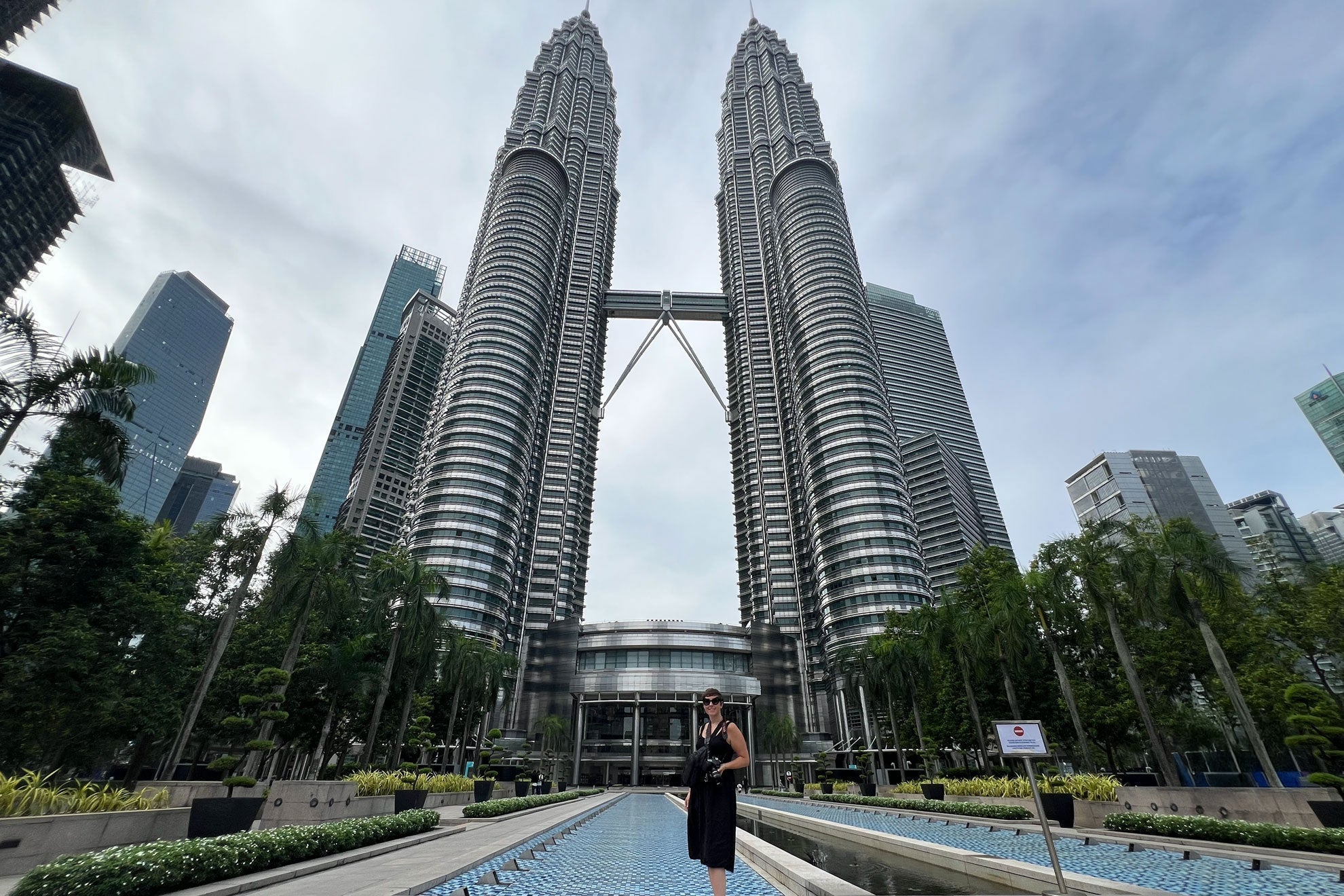
Kuala Lumpur, a city that served as a stopover en route to Sri Lanka, could be the gateway to something extraordinary. A city where colonial architecture meets sleek skyscrapers, where incense drifts through ancient temples just blocks away from air-conditioned malls, and where the rhythm of a Southeast Asian metropolis pulses beneath every step.
Wellness Beyond the Surface: Living the 8 Limbs of Yoga in Daily Life
In the modern wellness world, the surface often appears to be a glow: luminous skin, green smoothies, gym schedules, lymphatic drainage, and cold plunges. And while all of these can support well-being, they don’t touch the deeper layers of what it means to be well.

Going Home at 38: What It Means and Why It Matters
Home has been in flux for me lately. With travel comes the idea that I’m a nomad, that I can become comfortable wherever I lay my head. And to some extent, it’s true. I open a suitcase, light some incense, set up a playlist, and move on my yoga mat, and I feel grounded. A sense of home lives in these rituals.

Cambodia: A Place That Stays With You
There are places in the world that don’t just ask you to visit—they invite you to feel. Cambodia is one of those places. Thick with memory, gilded with devotion, and humming with life, it offers a kind of travel that moves beneath the surface. This isn’t a country for rushing through. It’s a country for pausing, listening, and letting the stories rise from the land itself.
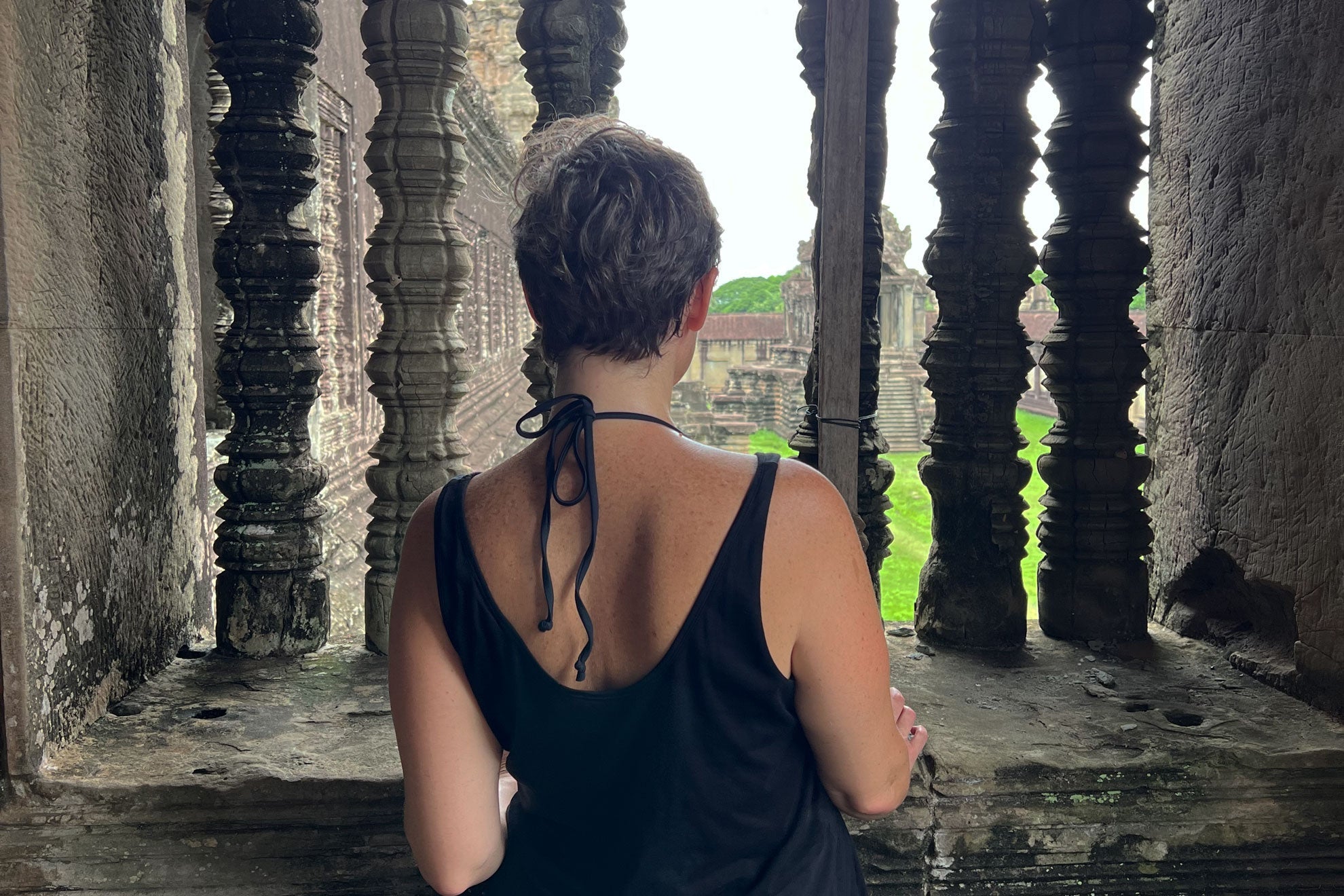
Travel Diaries: The Surprising and the Delightful
A reflection on slowing down, shedding layers, and returning to self through travel. There’s this idea we’re sold, that travel should be a rush. To see the world is to move quickly from country to country, ticking off iconic sights and staying “on the go.” I thought that energy would sustain me.
Making Peace with Travel Privilege
I used to believe I was a good traveller. Curious. Kind. Conscious. But as I moved through the villages of Vietnam, past rice paddies, crumbling temples, food stalls, and families, I was forced to reckon with a quieter truth. I have always been a privileged traveller. And with that privilege comes a responsibility.
Returning to Ourselves: The Tiny Shifts That Make Us Human, The Unexpected Joy of a Stuck Song
Something remarkable happened to me the other day. It won’t sound impressive to you, but I found it profoundly telling about my current mental capacity compared to where I was a few months ago. I got a song stuck in my head. I know it sounds so basic, but I do not remember the last time something as pedestrian as this happened to me. My mind is used to running about 100 mph with so many pointless things: the self-narration, the criticisms, the to-do list, the judging, the what-ifs, the wondering what was meant by something someone said. It’s all just noise. None of it matters. Not really.
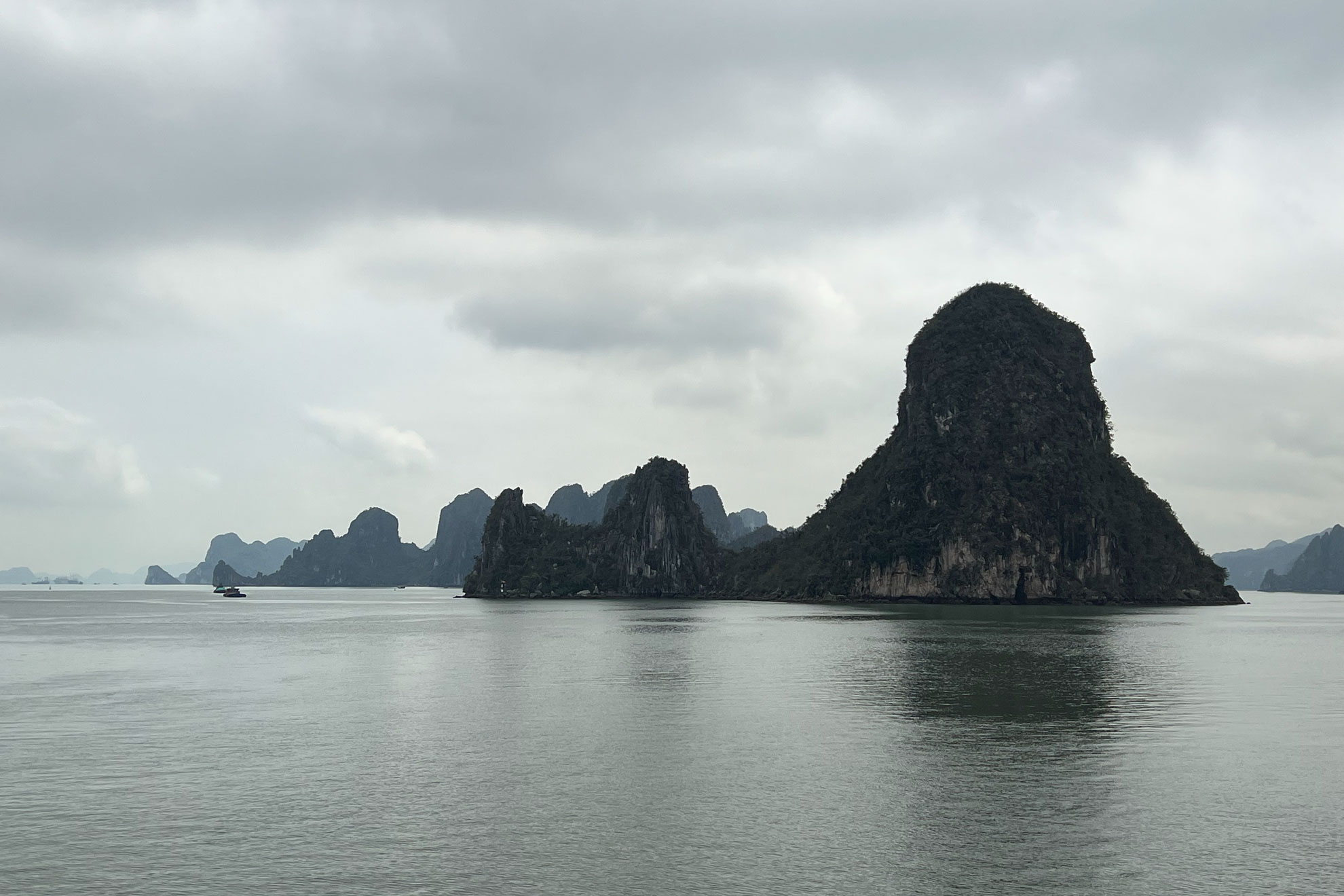
From North to South: A Journey Through Vietnam’s Living History
With grand plans of spending three months in Vietnam, we secured a 90-day visa, packed our lives into suitcases, and left the bliss of Bali for the cultural mosaic of Vietnam.

What I Wish I Knew Before Visiting Hanoi, Vietnam
Hanoi is loud, fast and beautiful, but it can also be chaotic, overwhelming and, at times, a little stressful. There’s a price we travellers pay for seeking out the kind of energy that feels different from home. The rewards are rich, but they don’t come easily.
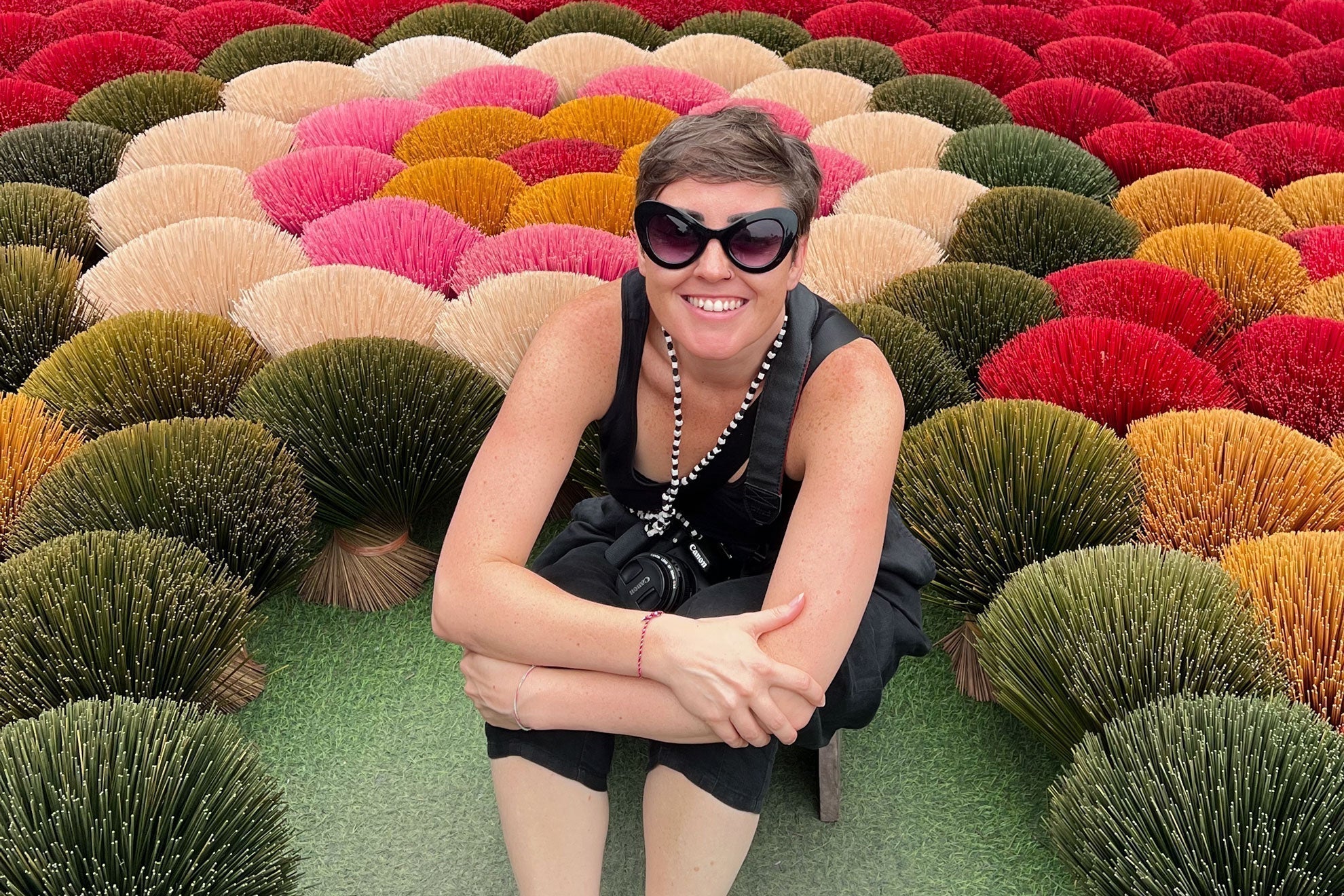
7 Days Itinerary in Northern Vietnam: Hanoi, Ha Long Bay & Ninh Binh
We’ve spent 12 days here in Vietnam so far, and it’s an exciting, stimulating place, full of contrast, colour, and sensory overload (especially as a vegan). Here's how we’d break it down into a 7-day itinerary for anyone wanting a curated yet immersive experience.
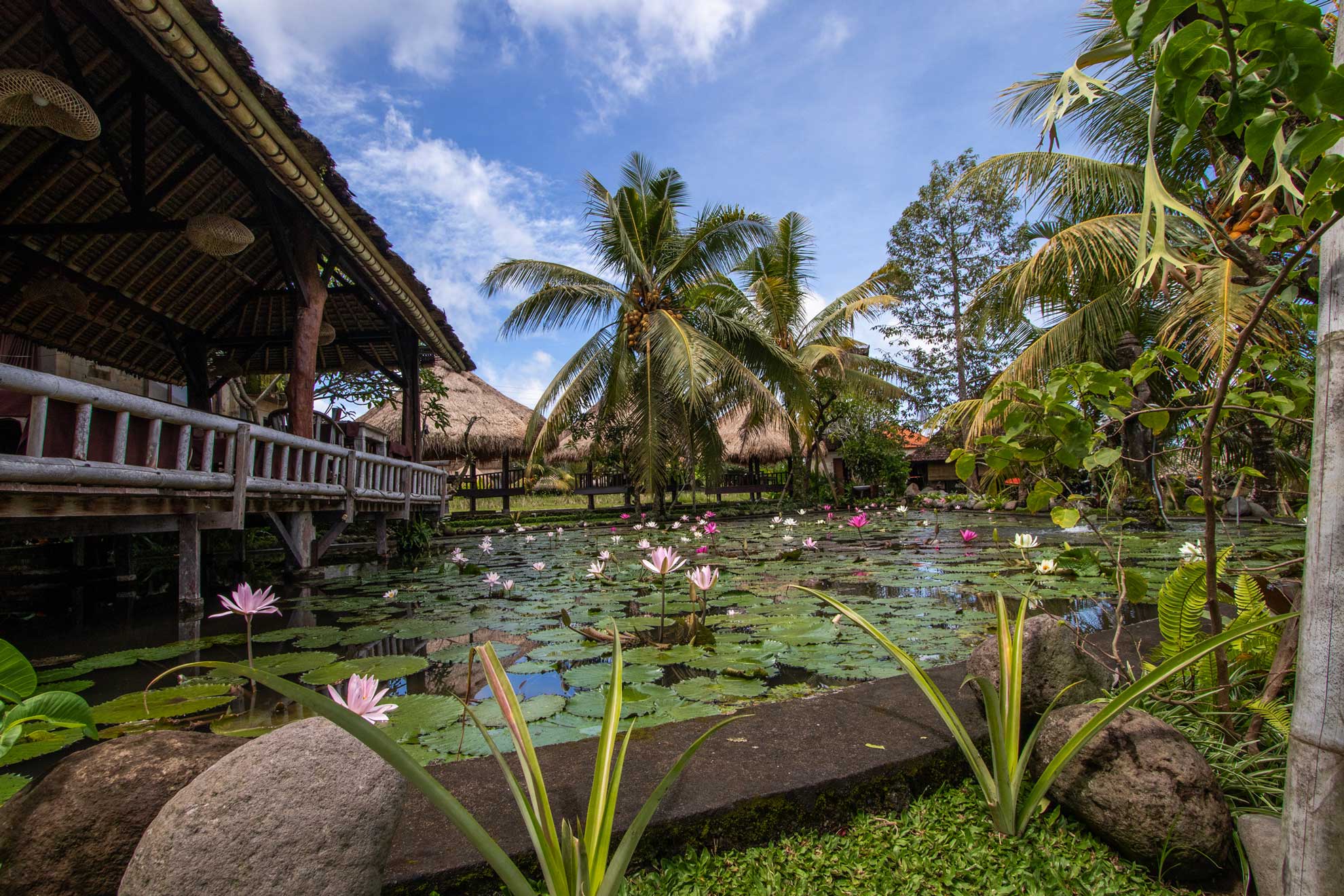
Undiscovered Bali: A Feeling Found Through Slow Travel
Why Slow Travel in Bali Changed Everything. After the privilege of visiting Bali five times, I’ve realised we no longer need to chase the tourist trail. We’ve already ticked off the temples, the beaches, the day trips. So this time, we chose to stay still. We let Bali show us something else entirely: a slower rhythm, a different kind of magic.
Journaling Prompts: Redefining Value & Worth
Without any expectations, write the answers to these questions. Write freely and as if you are talking to yourself, someone safe and silent. See what comes up with out judgment, but curiosity see where these questions take you.
Leaving Again, This Time It’s Different
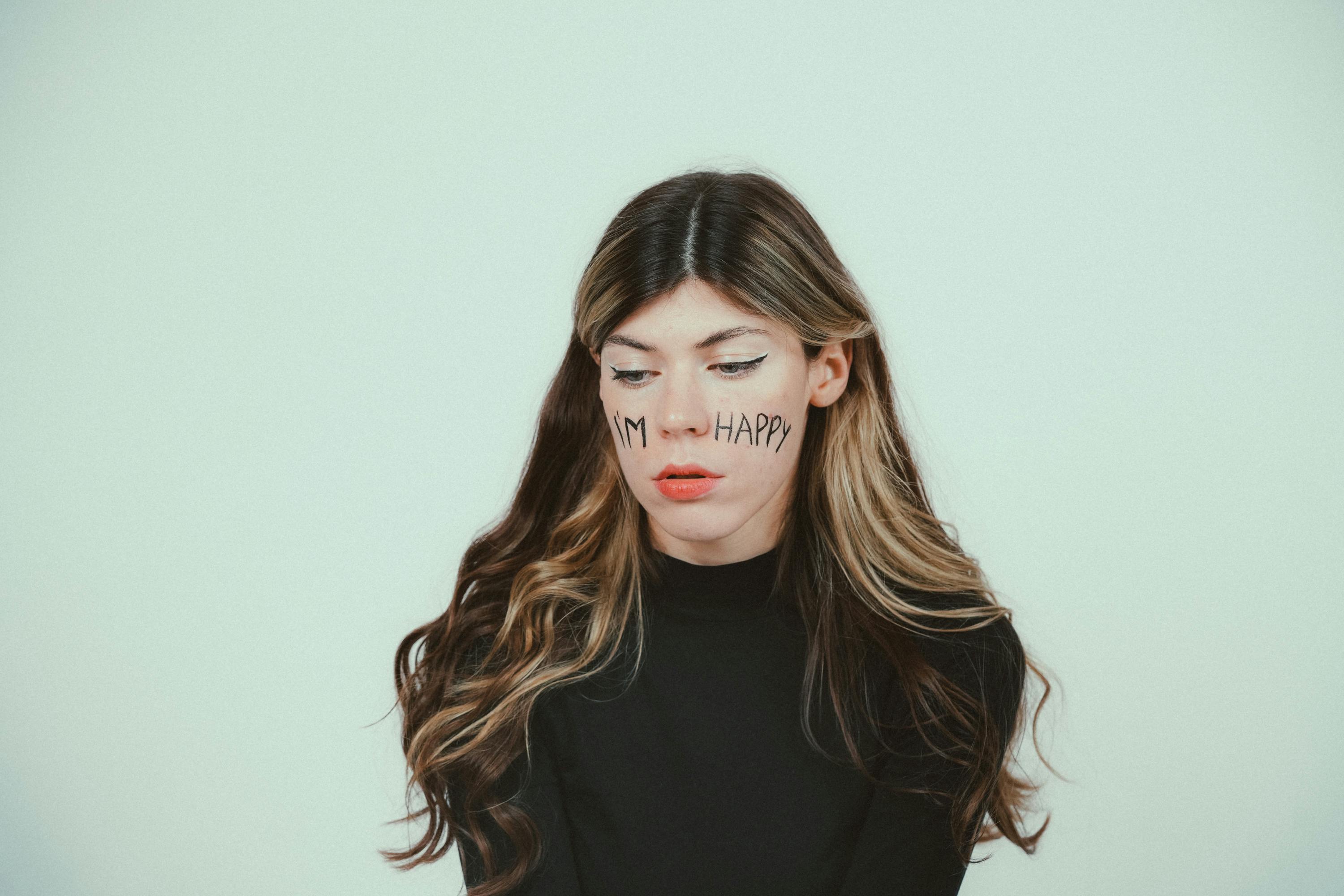
We left Bali today after two wonderful months of getting to know ourselves again. That might sound odd, but when you’ve lived in survival mode for so long, it’s impossible to know who you are beneath the armour—armour that’s protected you from chaos, but also from truth. Truth like: you were ticking boxes, going through motions, cohabiting with someone who was quietly slipping into sadness. And truthfully, the silence about that sadness made it hard to distinguish what was "normal" from what was drowning.

What Do You Truly Value?
This is a gentle invitation to explore worth beyond work and wealth, going deeper into what it means without the cultural lens that you sit behind, the one determined by your place in the world, physically, metaphorically, familiarity, etc.
Learning to Sit With Yourself (and Everyone Else Too)
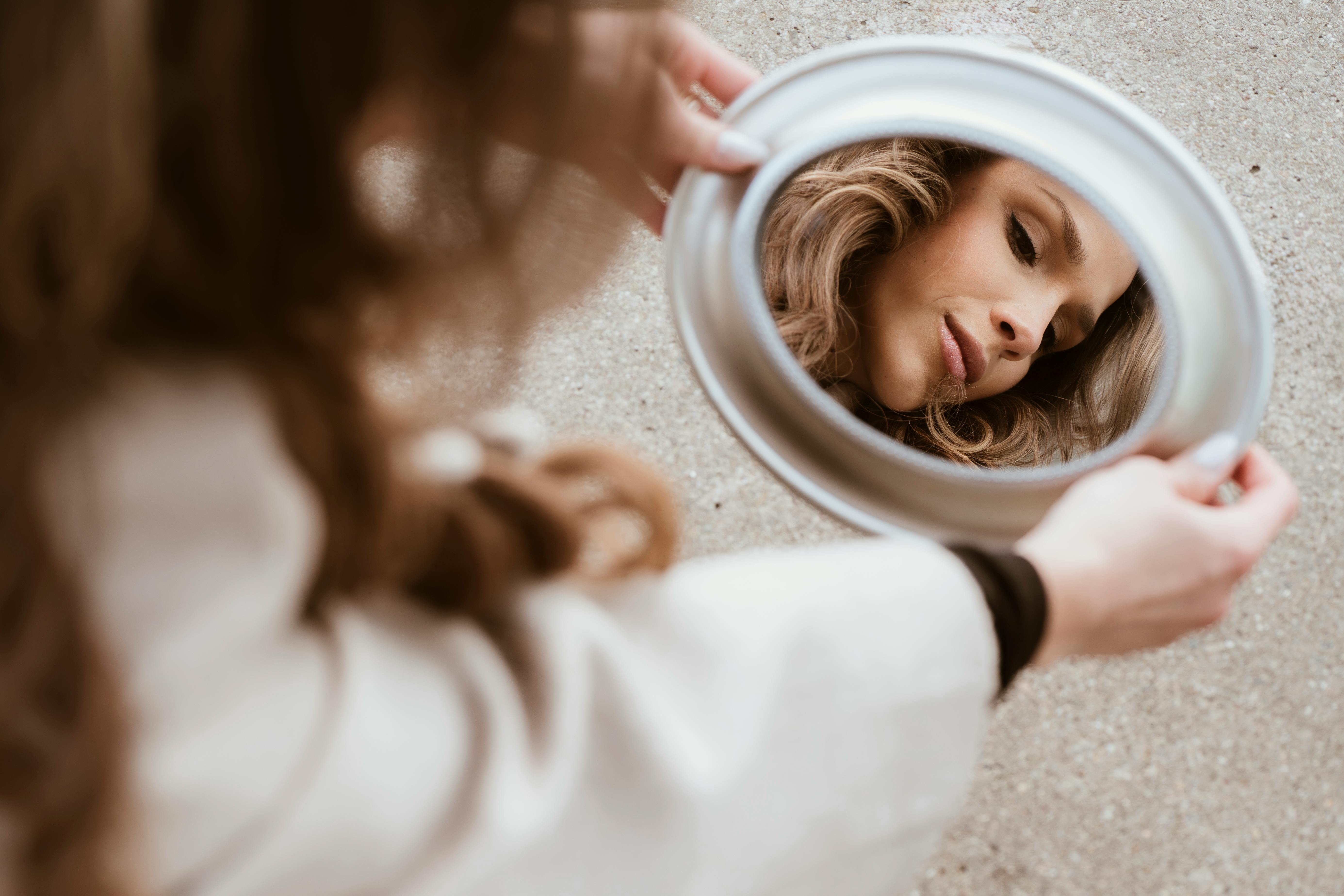
Regulating our emotions is a journey. You might be someone who feels deeply. Who notices the shift in the room when someone else enters. Who picks up on unspoken tensions, unmet needs, and unsaid apologies. You might be empathetic, curious, creative—and sometimes, exhausted. You may have learned to manage your emotions with a certain grace, yet still find yourself undone by the sudden sharpness of disappointment or frustration.
Ecstatic Dance: A Homecoming to the Body
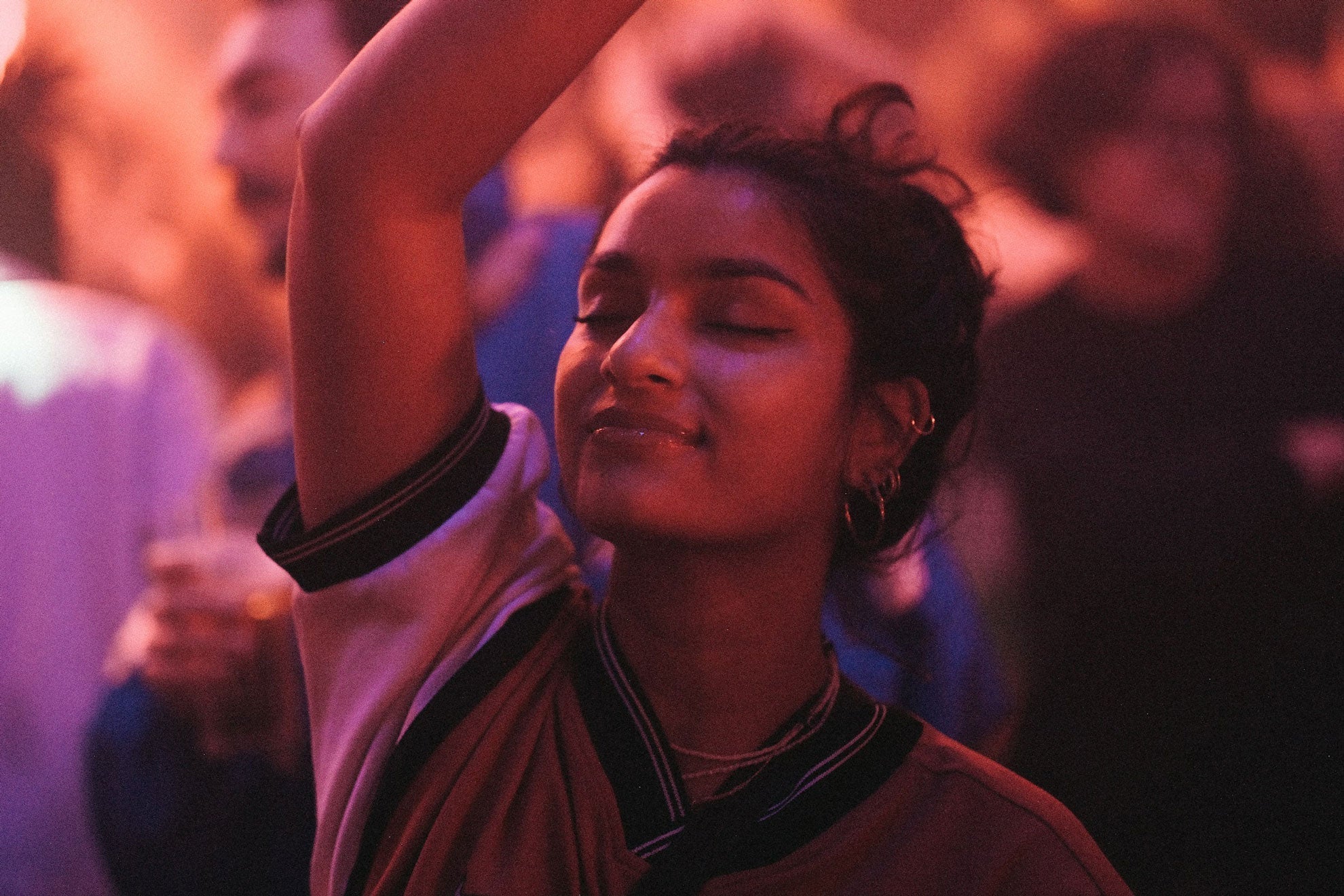
While in Ubud, I’ve been trying to open myself to everything this place offers. There’s a current of possibility here, pulsing quietly beneath the surface. After experiencing the depths of sound healing—something I’ve done before and always found moving—I felt curious to take it one step further.
Slow Travel in Ubud, Bali: A Journey into Presence
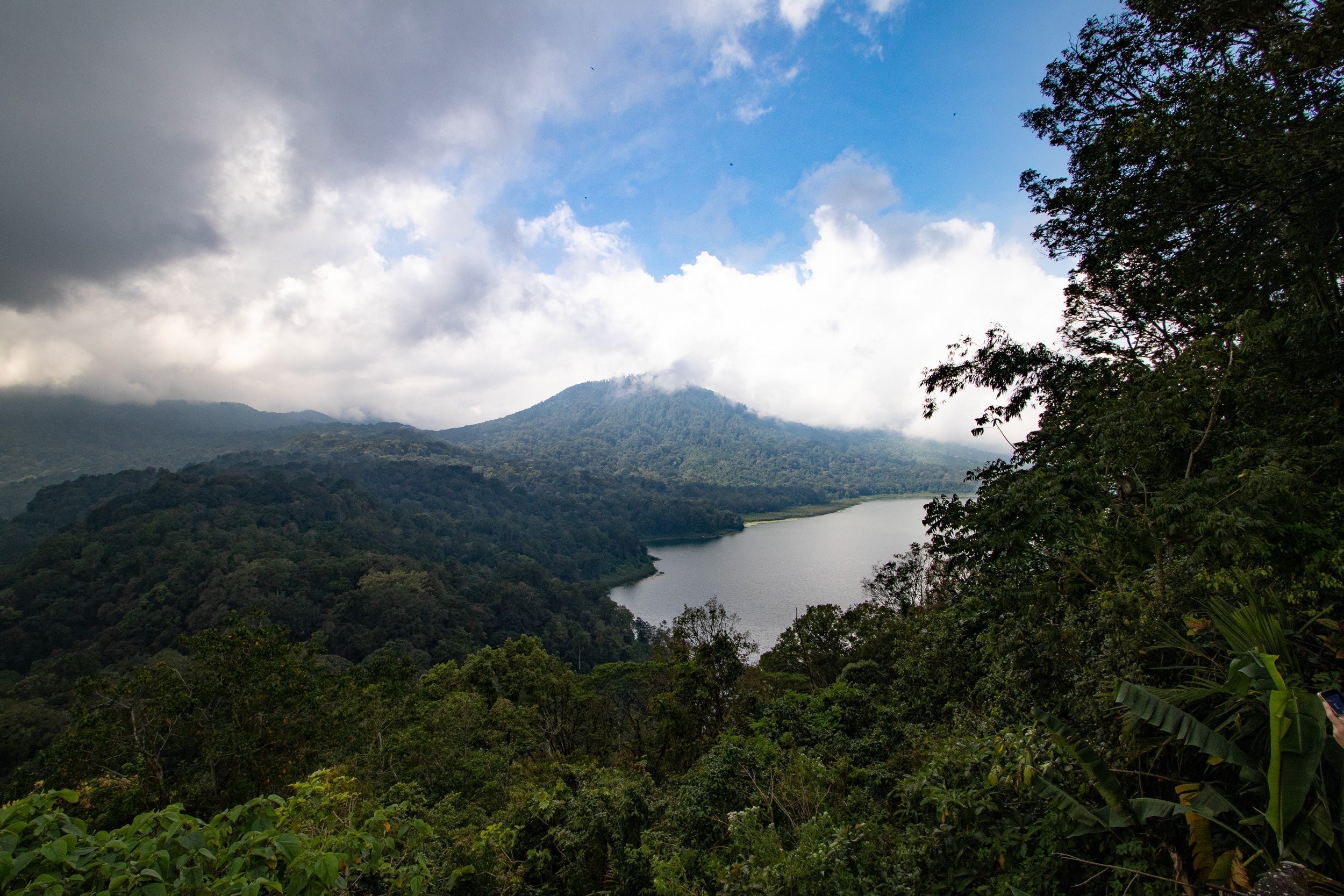
Ubud isn’t just a destination; it’s an experience—a place where time slows, where nature and culture intertwine, and where every moment invites you to be fully present. Known as Bali’s cultural and spiritual heart, Ubud offers an escape from the rush of modern life, drawing you into a rhythm that feels intentional, unhurried, and deeply connected.
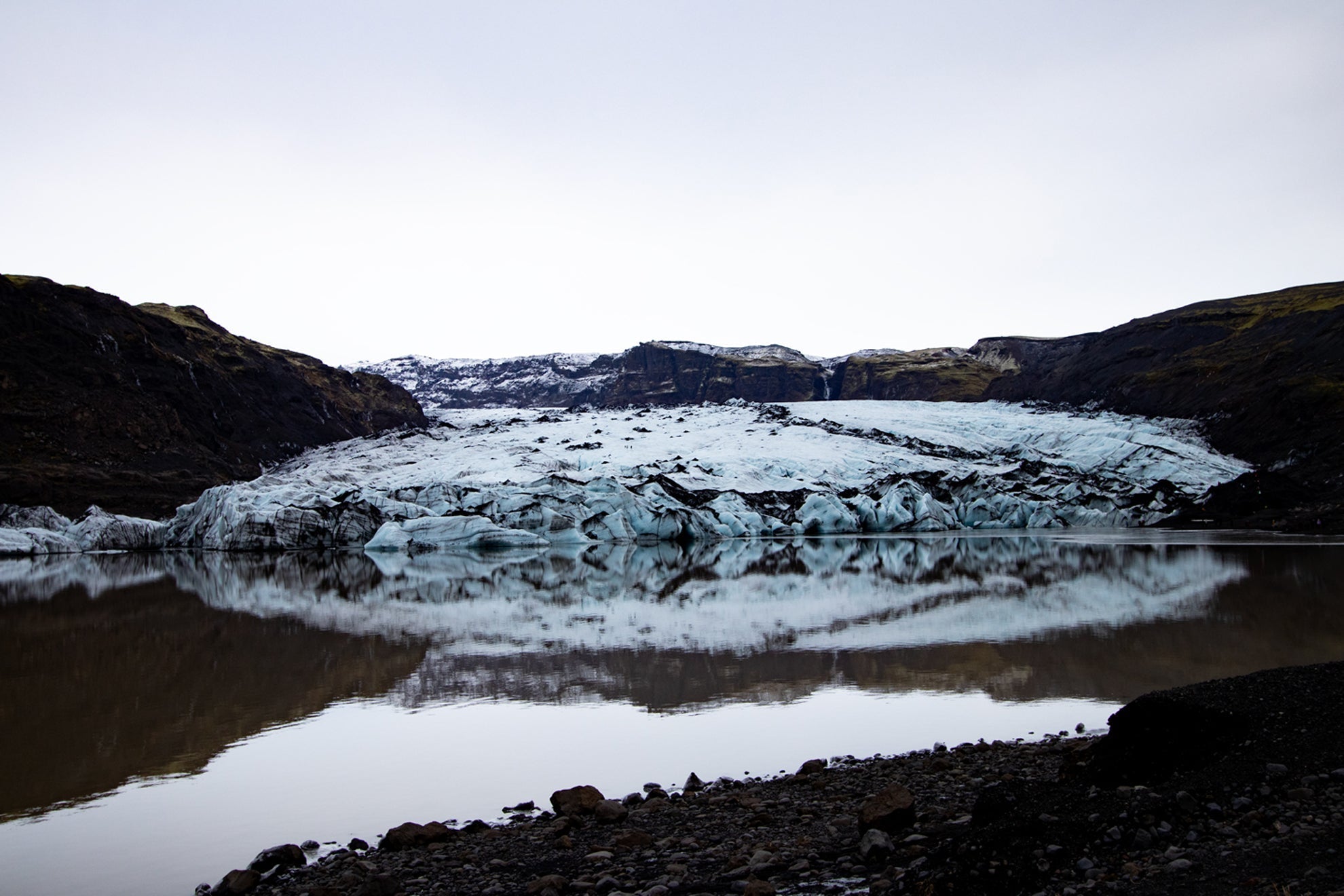
Travel Tips for Solheimajokull Glacier, Iceland
Solheimajokull is one of Iceland’s most accessible and visually stunning glaciers, making it a must-see for anyone visiting the South Coast. With its ice formations, deep crevasses, and proximity to iconic attractions like Skogafoss and Reynisfjara, Solheimajokull offers a unique opportunity to experience Iceland’s raw natural beauty up close. Here’s everything you need to know to make the most of your visit.

Travel Tips for Seeing the Northern Lights in Iceland’s North
The Northern Lights (Aurora Borealis) are one of the most magical natural phenomena in the world, and Iceland offers some of the best viewing opportunities. While the auroras can be seen from various parts of Iceland, the northern regions, particularly around Akureyri and the surrounding areas, provide some of the most stunning views. Here's everything you need to know to experience the Northern Lights in Iceland's north:
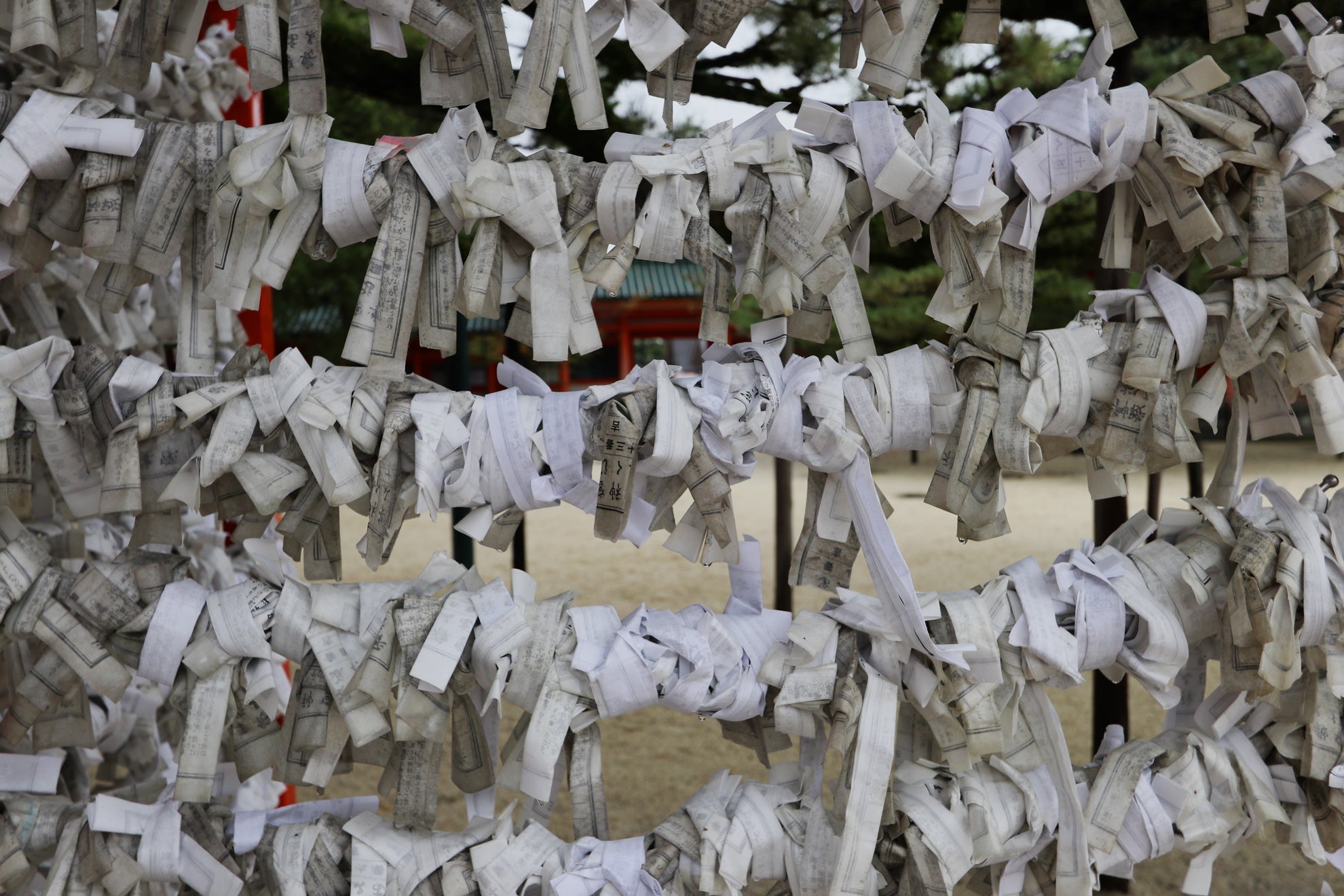
Finding Depth in Your Favourite Travel Memories
Travel is so much more than the destinations we reach—it’s about the emotions that arise, the connections we foster, and the way these experiences stay with us long after we’ve unpacked. When I think back on my most cherished journeys, I realise what makes a place truly unforgettable isn’t just the beauty of the landscapes or the moments captured on camera. It’s the deeper, more intangible essence—the way these places touch our hearts and awaken something within us.
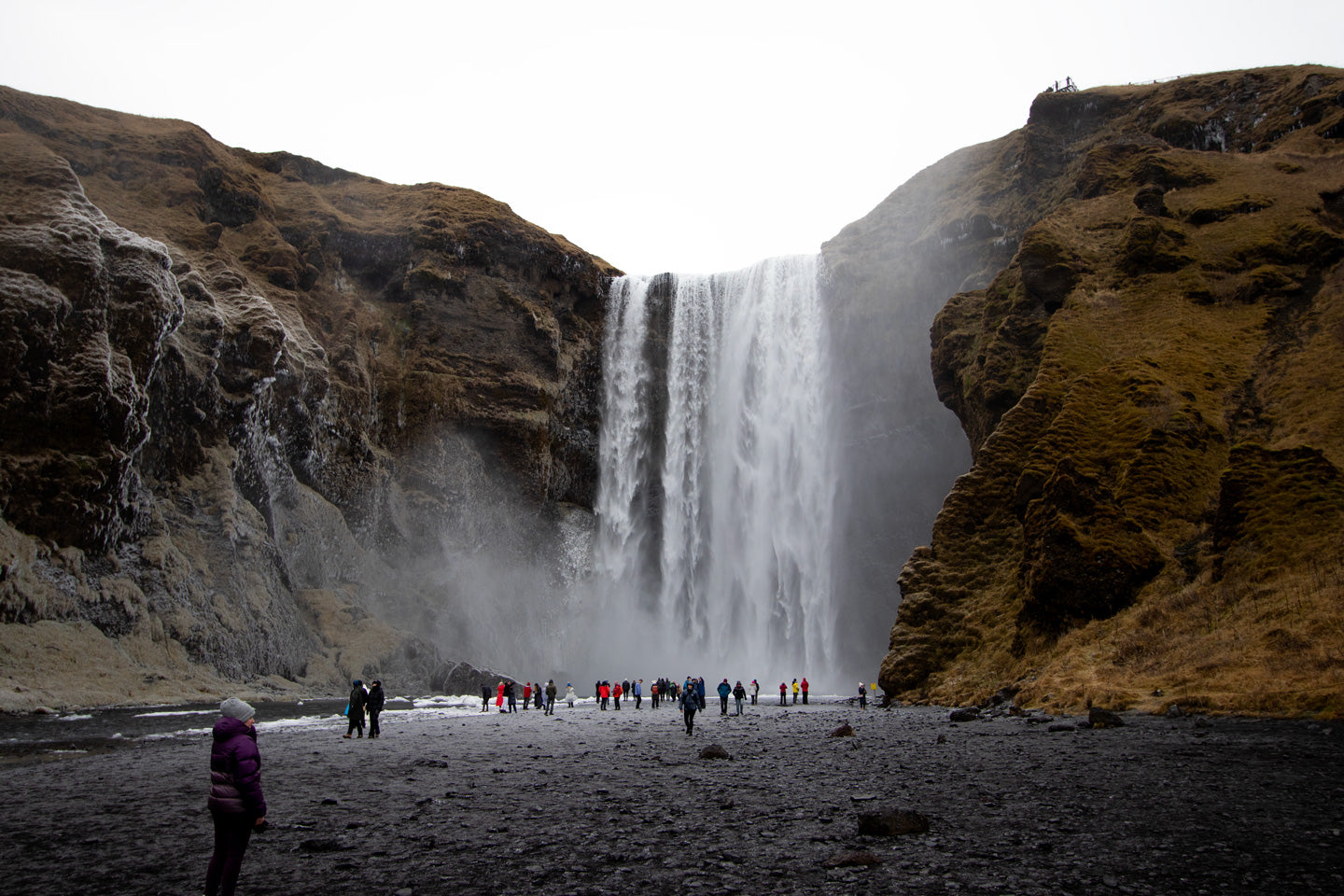
10-day Iceland Ring Road Itinerary For Early Winter.
Iceland is a destination that promises awe-inspiring landscapes, from cascading waterfalls to volcanic craters, glaciers, and geothermal wonders. This 10-day Iceland Ring Road itinerary in early winter is perfect for those seeking a winter adventure filled with breathtaking views, hidden gems, and unique experiences.

Travel Guide to Glacier Lagoon, Iceland
Glacier Lagoon (Jökulsárlón) is one of Iceland’s most mesmerising natural wonders, where ice, water, and towering mountains come together in a breathtaking display of nature’s raw beauty. Whether you’re visiting for photography, adventure, or quiet contemplation, this guide will help you make the most of your journey.
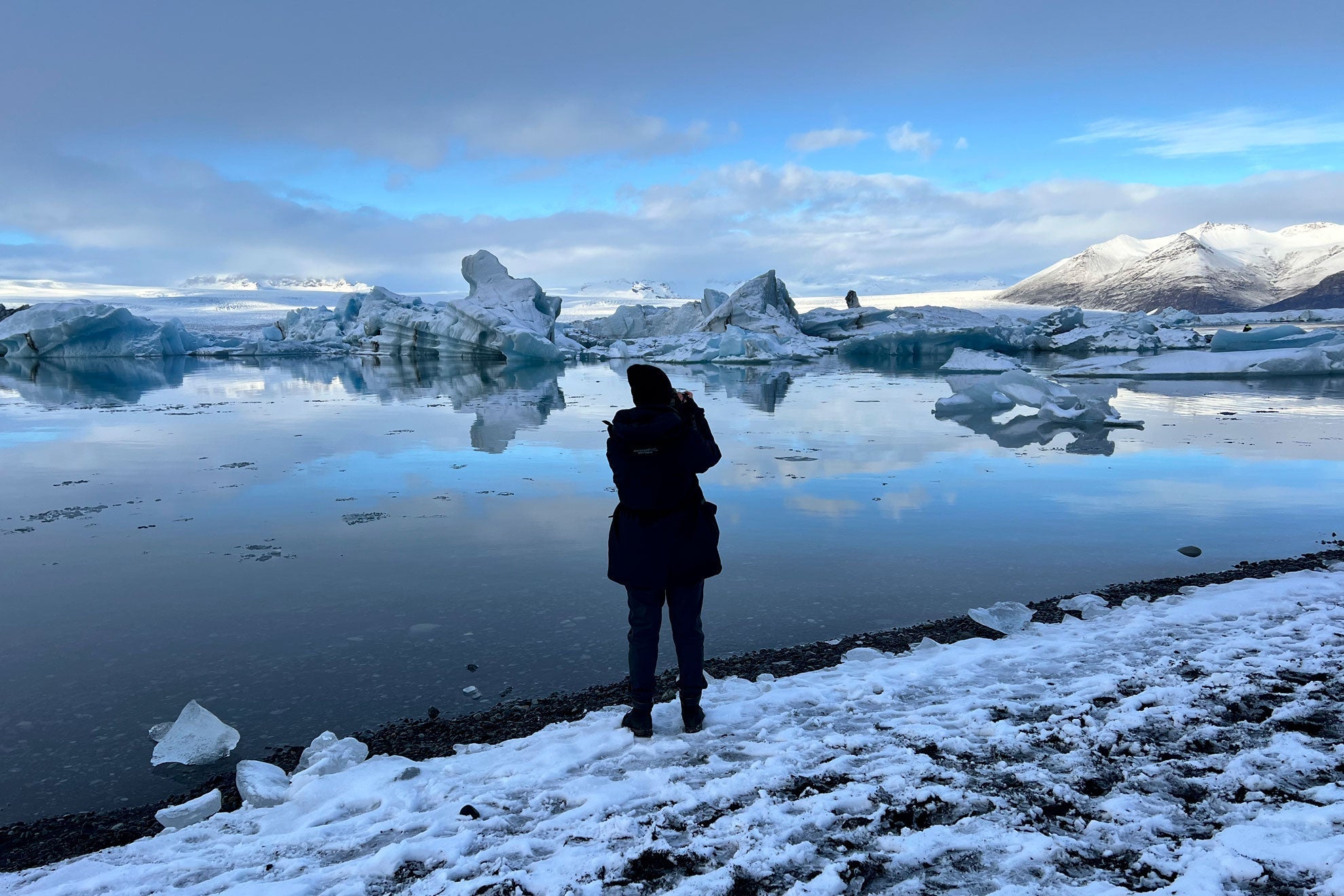
10 Top Sights In Iceland
An early winter visit to Iceland was the catalyst for many things, one of which is itching to see more incredible things around the world beyond the cities and sites that populate our Instagram feeds. Iceland is like venturing to another planet; it is secluded, quiet, raw, and breathtaking. As I return to Australia from Iceland, I have changed everything, and as I fall into the distraction of my next trip, I wanted to share my top 10 sights.
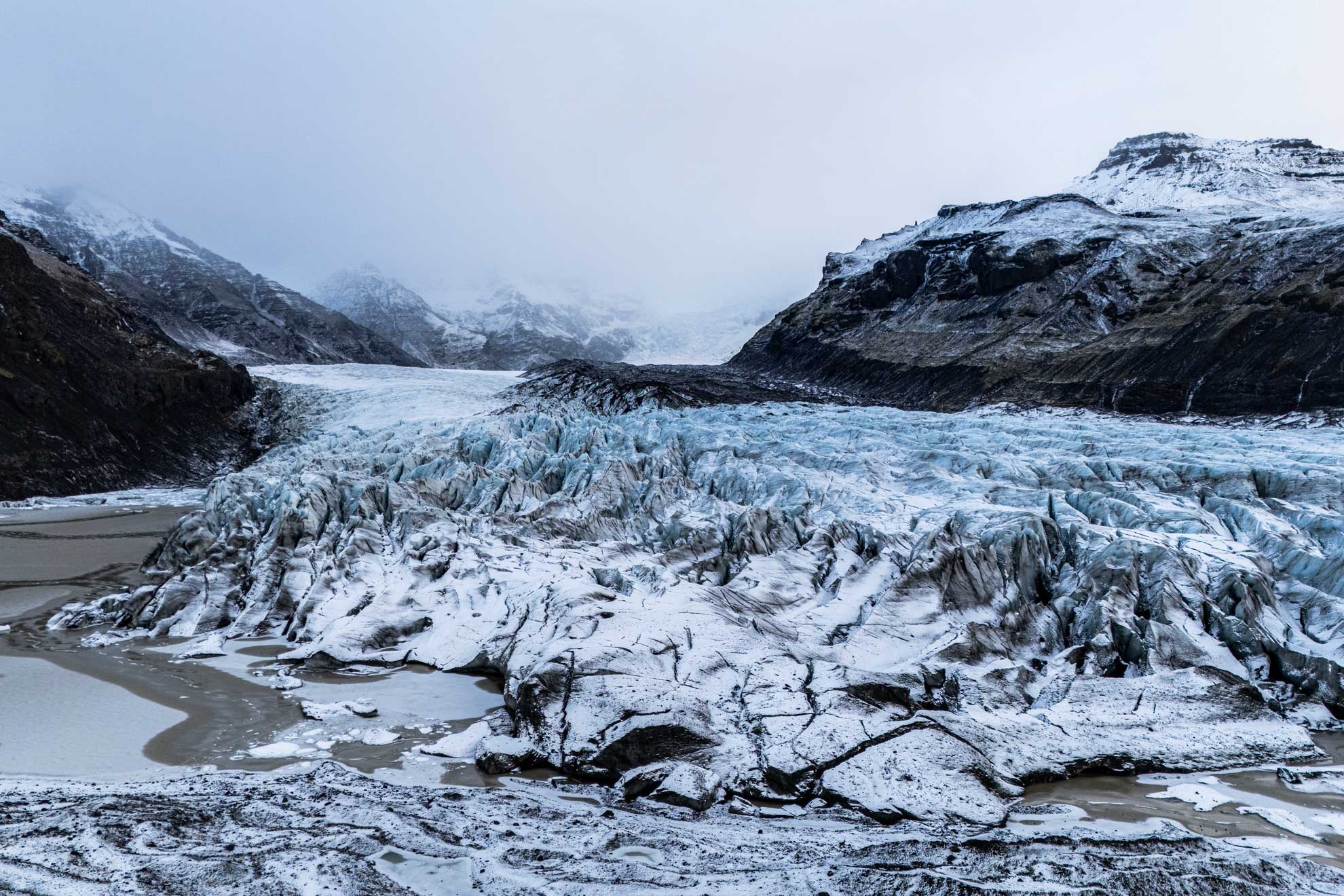
The Hotels We Stayed In While On Our Iceland Ring Road Adventure.
When planning our adventure in Iceland, I wish someone had just given me a list of places to stay— even if it wasn’t the exact hotels but the location of their evening stops as a point to focus o. Soo here it i:, all the hotels we stayed i, and some general thoughts on them.
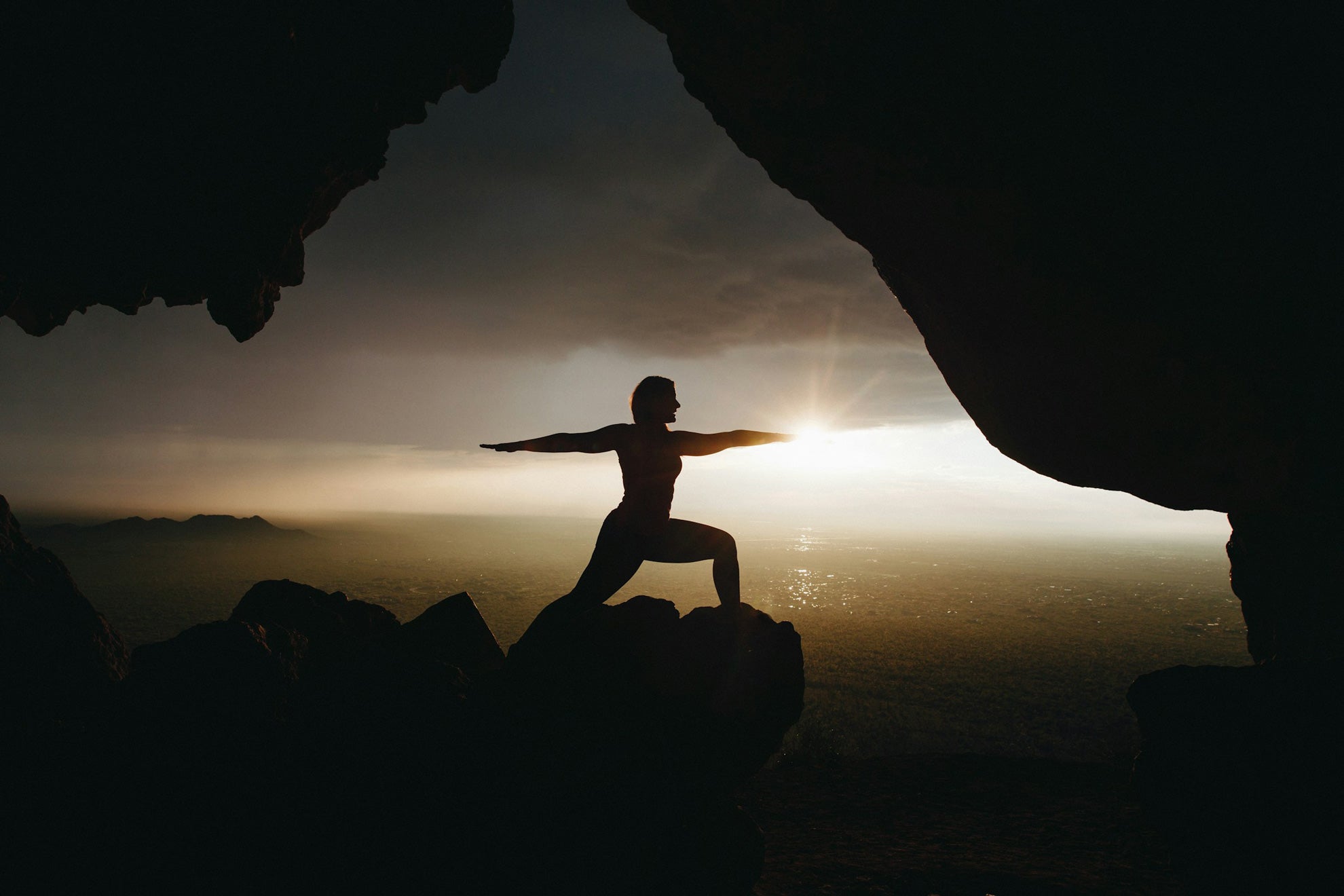
Why Yoga? We asked a Yoga Teacher what makes Yoga so special.
As a regular writer for Words and Contemplations, I decided to share the common questions I have been getting asked as a new Yoga teacher. These questions relate to my Yoga teaching so far. I have been teaching for less than a year, and I am curious about every stage of the journey. Right now, I am finding it profoundly eye-opening and humbling.
Learning To Trust Yourself: A Guide To Inner Knowing
Finding trust in yourself so that you can trust the journey you are on. Choosing to believe that not to know that what is happening at any given time is ok it’s part of the process. It's all part of what will one day make up your story. The right here, right now can feel heavy, uncomfortable or painful but it is temporary. It will pass. You cannot feel the depths of every experience if it is only the fear you let in. What if you were to explore beyond the fear? Beyond the pain, there will be a message, a lesson or something stuck that you have yet to explore. Without delving into what it means, you are missing the lessons your life tries to show you. The parts of you that will make you all you know inside you already are. The parts of you that you long to share and be at ease with, the raw the vulnerable, the real you. Moving through the pain, into understanding is how you find freedom in letting go.
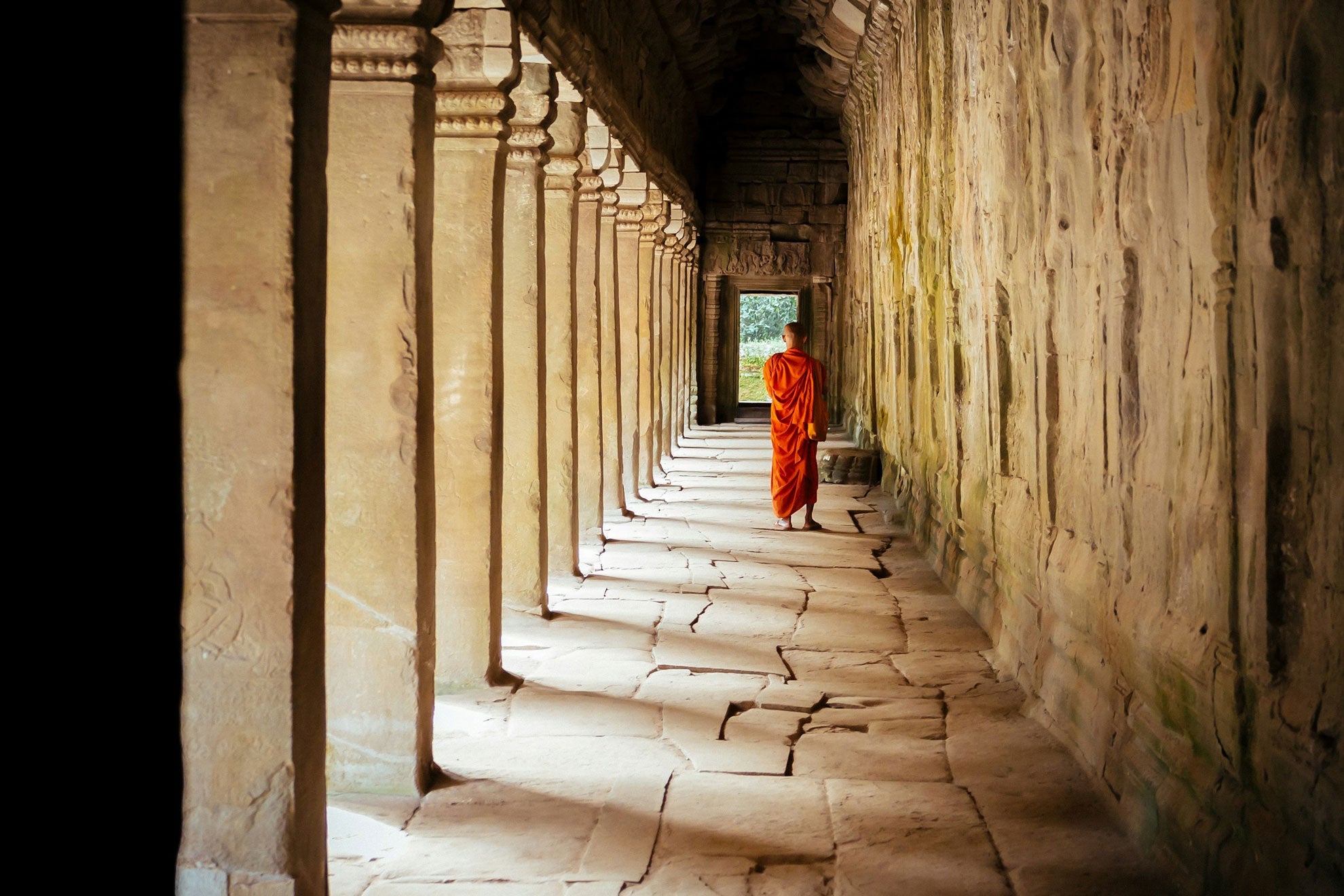
20 Moments From 'I May Be Wrong' by Bjorn Natthiko Lindeblad
This book was one of the recommended readings before my Meditation & Mindfulness teacher training which starts late June 24. Not often does a book transport you to a quiet place of contemplation, while showing you how to cry and smile from the heart as the words touch your soul and your understanding of stillness emerges. An easy-to-read deep dive into the powers of the mind, the clutter of the thoughts and the truth that none of your thoughts matter. We are not our thoughts and we can choose to live more lightly.

The Stories We Tell Ourselves
One day you will look back upon the things you believed and it will seem as if someone else’s voice was directing you. The voice inside will evolve if you let it, allow it the space to learn from your mistakes, and test the theories that the child version of you learned to believe. Trust, be brave and create new beliefs for yourself to live by. Once you start to listen, you’ll embark on a deeper understanding of yourself and the world around you.

Love, Perception Verses Reality
To love is to be at ease with another, this ease can sometimes create a false perception for onlookers. Ease does not mean easy. After a recent collection of conversations with singles, I have become curious about this topic, and how a skewed perception of couples from singles who are looking for love could be damaging. I wonder how a momentary judgement may disillusion their current worldview. For what it is now is not what has always been.
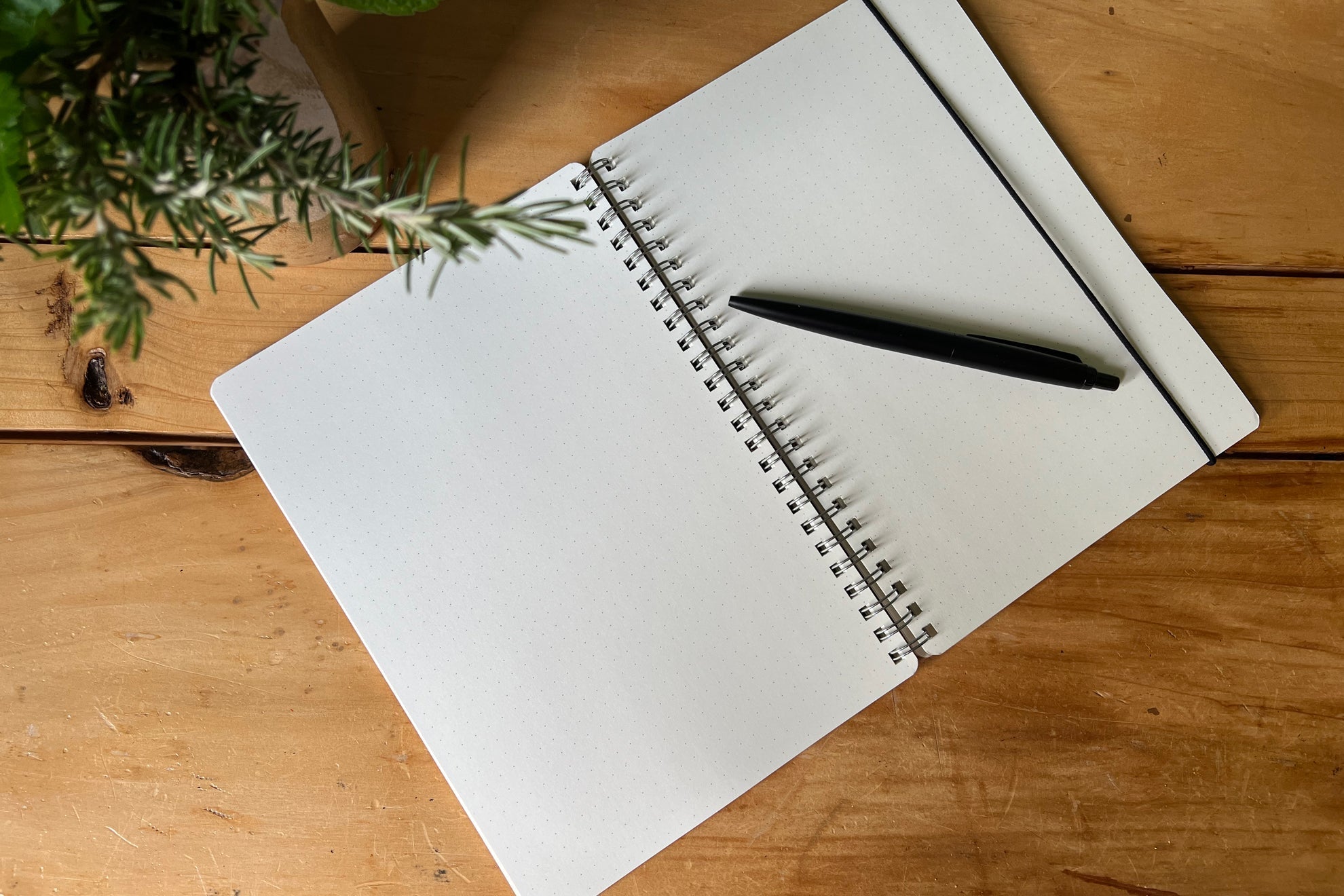
The Power of Journaling
Writing regularly is something that is said to free the mind, to process one's thoughts, to download the noise. For some, it is a collection of thoughts that were, in the moment of writing important. For others, it's a way of making sense of the hundreds of thoughts we carry every day.
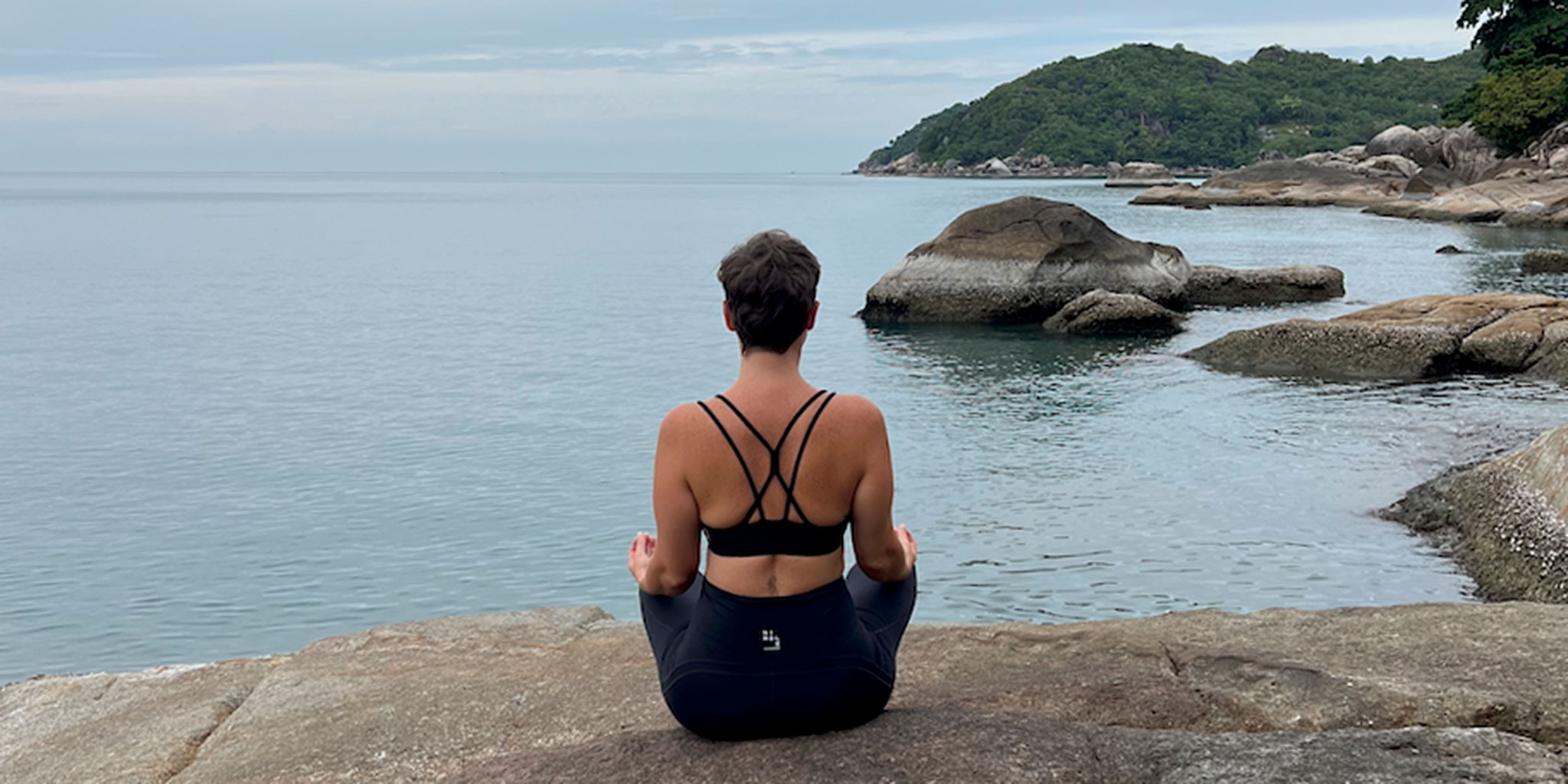
Yoga. Respect The Journey, Love The Practice
There are studies all over the world that explore and celebrate the benefits of yoga and although I know this to be true, I was always a little sceptical, I tended to explain away my weight loss as a combination of diet and running as well as yoga. However, I have to admit to not only being hooked but being a full 100% believer. Yoga has moved emotional blockers in the body that allowed my body to find a healthier state. Weight loss is a bonus, all the other benefits far outweigh a smaller waist and a stronger plank. The personal benefits I have felt in myself as well as others are astounding.
Love, it's When
It’s when you truly want good things for someone other than yourself,It’s when you offer your time, unconditionally,It's when you buy something they would never buy for them self - just because.
Moments of Clarity
You watch day by day thinking that these things you witness are normal, and then all of a sudden out of nowhere, you see something in a new light and for the first time ever you realise that the conflict in your work life and the person you are can no longer coexist in the way that they have done for years.
When you start to see your parents differently
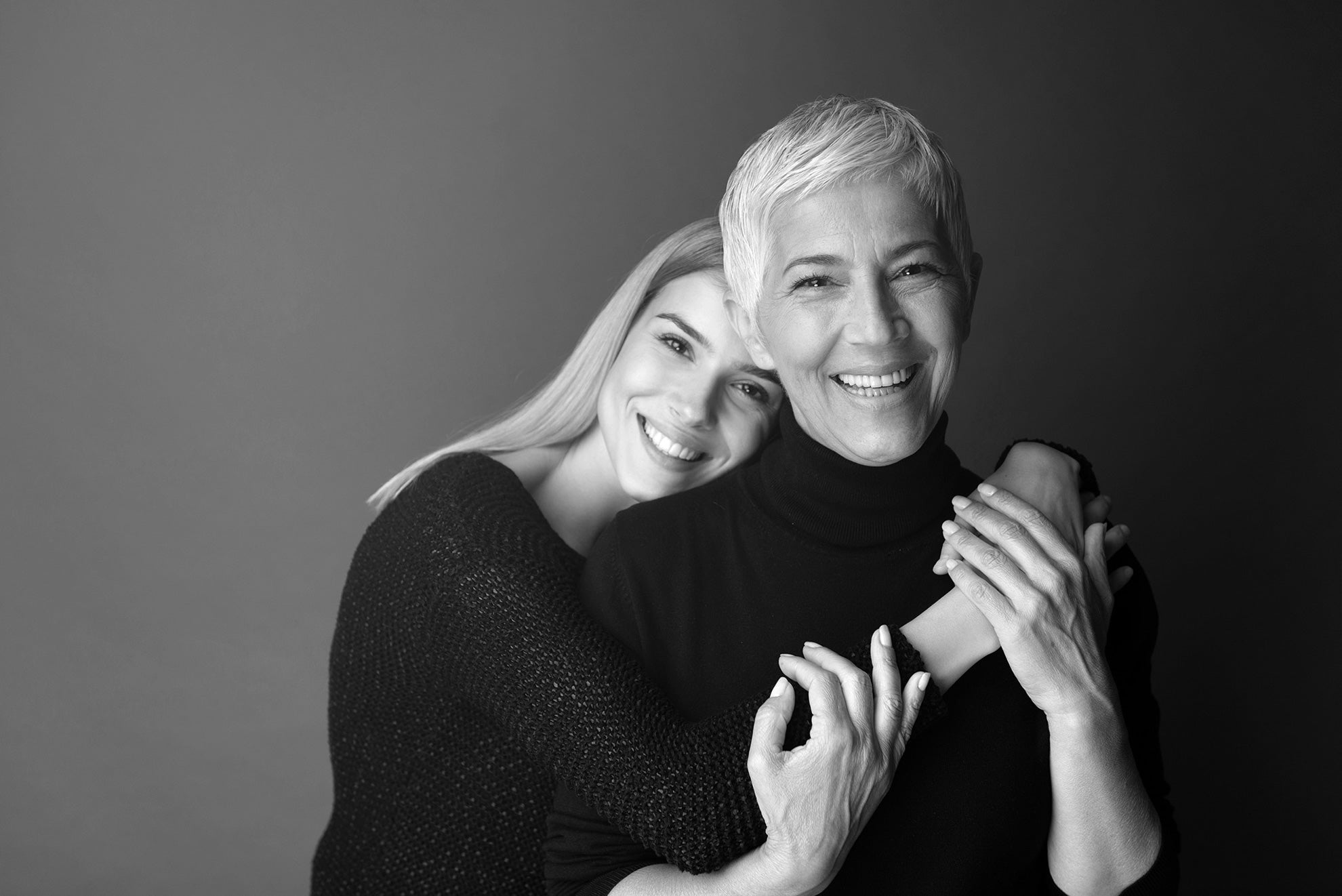
There comes a quiet moment in adulthood when you stop seeing your parents as the all-knowing figures of your childhood and start seeing them simply as people, and what you do with that realisation can either deepen the distance between you or gently begin to close it.

A Gentle Pause: On Temporary or Lasting Sobriety
Today marks an accidental 6-month dry period. I say accidental as this time it wasn’t off the back of anything in particular. It just happened. Like many others I have done dry July and even been dry for 18 months once before. (Sounds silly now) This time feels different, it's motivated by a choice of putting myself first.

Plant-Based Living: What I’ve Learned (With Love + Laughter)
A Gentle (and Honest) Look at Going Plant-Based - In celebration of World Vegan Day Shifting to a plant-based or vegan lifestyle can be one of the most powerful choices you make — not just for the planet but for your personal wellness too. It’s a journey of learning, unlearning, and tuning in to how your body, mind, and values align.
Your Desired Change, Your Responsibility
It was Einstein that said, “The definition of insanity is doing the same thing over and over again, but expecting different results.” I think we all tend to do this in some capacity. We wait for a change to happen, hoping someone or something will rescue us. We can seem powerless to take responsibility.

Value & Worth Are Not Pay.
Have you ever really thought about how you determine your value, how much are you worth and if your worth is measured and paid for in currency, should it be? As a culture, we seem to be focused on how much money people have. But there has to be other ways to look at how you internally measure yourself.

Communication, Lies & Labels: Unpacking the Stories That Shape Us
What is it to communicate, and do we do it honestly? Verbal is only 7% but it's how we learn, how we trust and how we talk. How much of the other 93% do we miss, ignore or filter out. Are we all listening wrong, should we be listening with our eyes, not our ears.
You’re Already Helping: Finding Peace in Imperfect Climate Action
Wellness begins with how we treat ourselves — not just on the good days, but especially when the world feels overwhelming. Right now, the news is heavy: a global pandemic, wildfires across continents, and an ever-growing sense of ecological urgency. It’s a lot to carry. And while fear is a valid emotional response, it doesn’t have to be where we stay.
Loving What You Do…
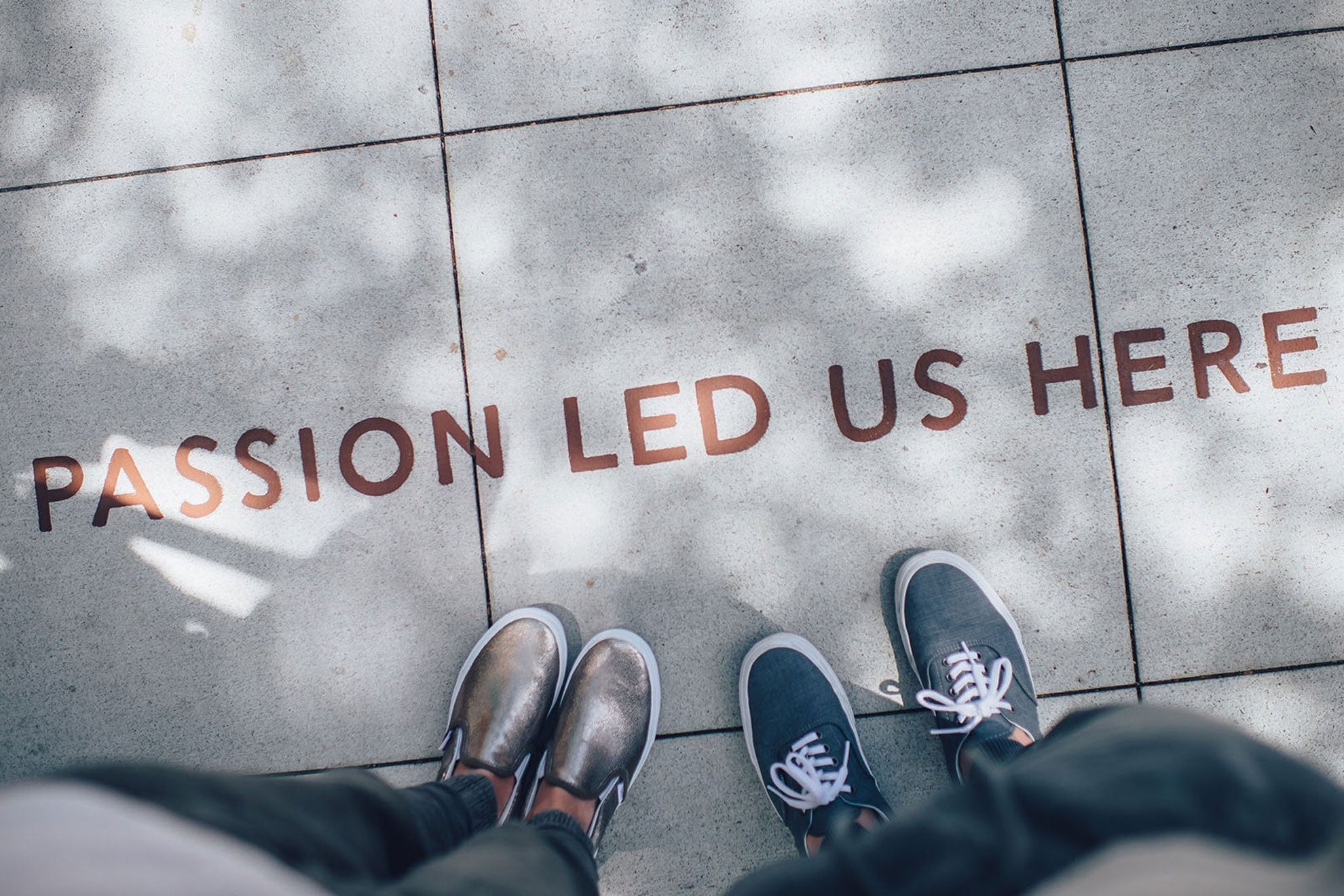
When someone says they love what they do for a living, what does that really mean? Is it that they have truly fulfilled their desires or have they simply met the expectation that they set for themselves? Expectation is a belief, a perceived, and at times a hopeful outcome. What if we lowered our expectations?